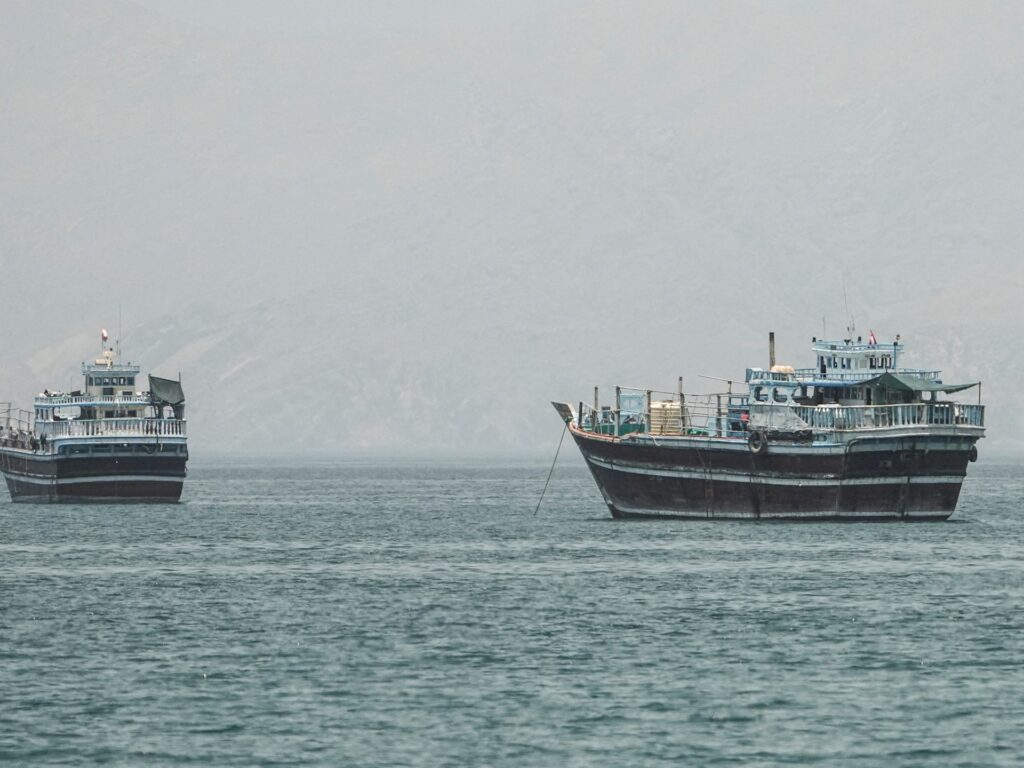
In a stark statement that has raised tensions in the already volatile Strait of Hormuz region, Iran’s Islamic Revolutionary Guard Corps (IRGC) has issued a warning regarding a new shipping lane recently opened by Oman and the International Maritime Organization (IMO). The IRGC stated unequivocally that ships taking this newly designated route will be in danger.
The Strait of Hormuz is a strategically critical waterway linking the Persian Gulf with the Arabian Sea and the wider Indian Ocean, through which a significant portion of the world’s oil supply passes. The waterway has long been a focal point of geopolitical friction, given its importance to global energy security and the political sensitivities of the nations bordering it.
Oman, in collaboration with the IMO, announced the establishment of a new shipping lane purportedly designed to enhance maritime safety and efficiency through the strait. This new corridor aims to address concerns over navigation risks and to streamline the passage of commercial vessels by identifying a defined channel within the congested and narrow waterway.
However, Iran’s Revolutionary Guard has vehemently opposed this development, interpreting the new lane as a threat to Iranian sovereignty and security interests in the region. In their statement, they called the move provocative and warned that any vessels using this new passage could face military danger from Iran’s forces.
This announcement compounds the ongoing tensions in the region, which include previous confrontations in Hormuz involving naval forces and commercial shipping. Iran’s position is rooted in its strategic imperative to control access and assert influence over the Strait, a vital choke point for regional and global trade.
Maritime security experts have noted that the declaration by the IRGC could lead to heightened risks for commercial shipping, potentially disrupting the flow of oil and goods through one of the world’s busiest and most sensitive maritime corridors. The international community, including maritime regulatory bodies, has urged restraint and dialogue to prevent escalation and to safeguard freedom of navigation in accordance with international law.
The situation remains fluid, with international observers closely monitoring developments. Shipping companies are reassessing their navigation plans, and stakeholders in the global energy markets remain on alert due to the potential for disruption.
This development highlights the broader strategic contest in the Gulf region, where Iran’s military posture and the geopolitical interests of neighboring states and global powers often collide. The IRGC’s warning is a clear indication of Iran’s readiness to defend its territorial claims aggressively, and it underscores the challenges involved in balancing maritime safety with regional security dynamics.
In conclusion, the IRGC’s statement on the new Hormuz shipping lane introduces a new element of risk and uncertainty. It is a reminder of the enduring volatility inherent in this pivotal maritime corridor and the critical importance of diplomatic engagement to de-escalate tensions and ensure safe passage for international shipping.
As the story unfolds, continued vigilance and cooperative international efforts will be essential to maintaining stability and protecting the vital interests of all parties involved.