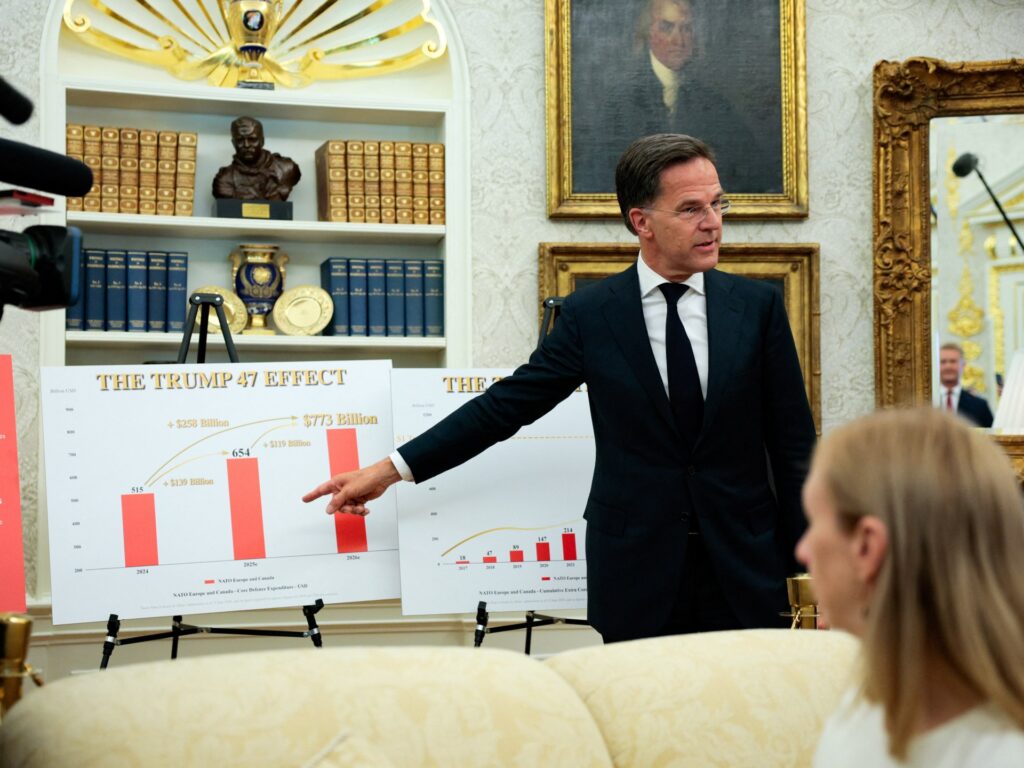
In a significant diplomatic move ahead of the annual NATO summit, NATO chief Mark Rutte visited the White House to address growing tensions between US President Donald Trump and the NATO alliance concerning Iran-related issues. The interaction underscores the crucial role of diplomacy in managing alliances during complex geopolitical challenges.
The backdrop of these tensions lies in differing approaches on how to handle Iran’s nuclear ambitions and regional activities. President Trump has voiced skepticism about multinational agreements and often advocated for a more unilateral US strategy, which has sometimes contrasted with the collective stance favored by NATO members.
Mark Rutte’s visit aimed to bridge this gap by engaging in direct dialogue with the Trump administration. Discussions focused on reaffirming NATO’s commitment to collective security while seeking common ground on the Iran issue. The hope is to prevent discord that could weaken the alliance’s unified front.
NATO, an alliance of 31 countries (as of 2024), depends heavily on member cooperation to tackle threats. The Iran question is particularly sensitive due to the country’s strategic position in the Middle East, its controversial nuclear program, and the potential for regional instability. Balancing the varied national interests of NATO members while maintaining a united policy is a challenging task.
The annual NATO summit, scheduled for next month, serves as a critical platform where leaders assess global security challenges and refine their collaborative strategies. Rutte’s proactive engagement with the US underscores the urgency to resolve disputes before the summit, ensuring productive and cohesive discussions.
Experts view Rutte’s efforts as a reminder of the importance of diplomacy and communication in international relations. By addressing Trump’s concerns and aligning NATO’s approach, the alliance aims to strengthen its resolve and present a clear, consistent policy on Iran.
The US-NATO relationship has navigated numerous complex issues in recent years, but maintaining unity remains vital for collective defense. As such, Rutte’s visit marks a key step in mitigating rifts and fostering cooperation.
Looking ahead, the summit is expected to highlight strategies for nuclear non-proliferation, Middle East security challenges, and measures to reinforce transatlantic ties. The outcome will likely influence NATO’s strategic direction amidst evolving global dynamics.
In conclusion, Mark Rutte’s diplomatic initiative at the White House represents a concerted effort to ease tensions between Donald Trump and NATO over Iran. By fostering dialogue and seeking common ground, the alliance aims to uphold unity and effectiveness as it faces critical upcoming challenges at the NATO summit.