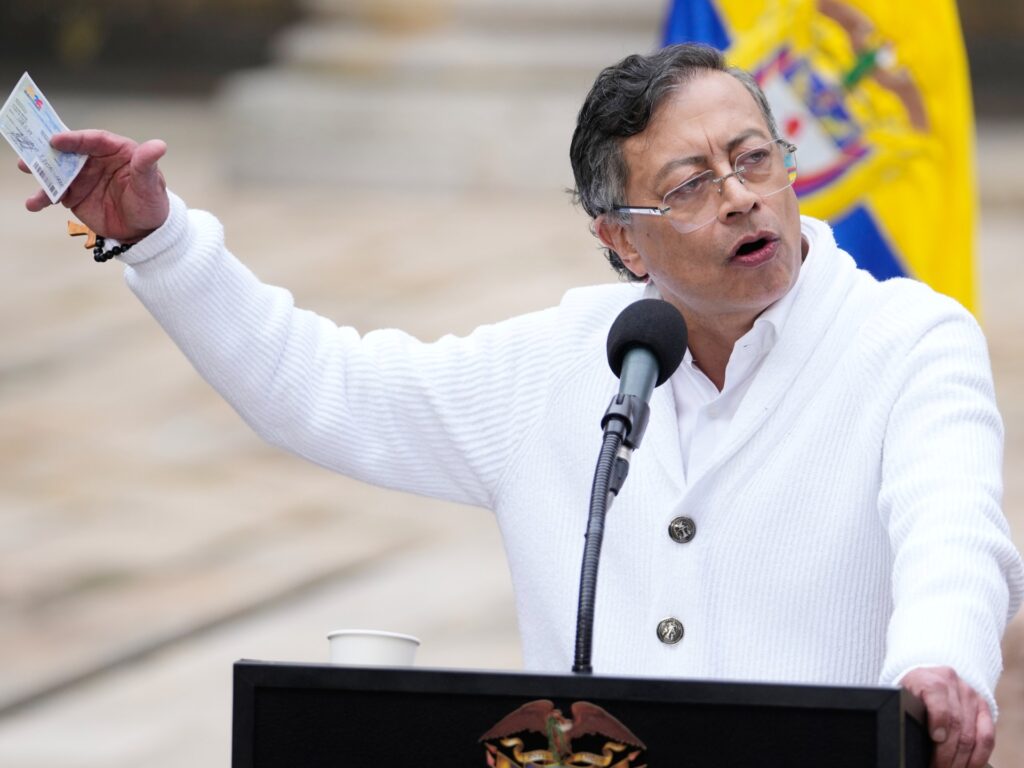
In the aftermath of Colombia’s recent presidential election, significant controversy has arisen over allegations of foreign interference, specifically implicating Israel. President Gustavo Petro has publicly claimed that digital manipulation influenced the election results, drawing attention to the possibility that external actors, including Israel, may have attempted to meddle in Colombia’s democratic process.
Petro’s accusations centre on the assertion that sophisticated digital tools and cyber operations were employed to sway voter opinions and potentially alter outcomes, exacerbating distrust in the election’s integrity. These claims highlight increasing concerns about election security worldwide, where digital manipulation and misinformation campaigns have become prevalent tactics in political contests.
Despite the gravity of these allegations, Colombia’s Attorney General has dismissed the claims against Israel, stating there is insufficient evidence to support accusations of foreign interference in the election. The Attorney General emphasized that the electoral process was conducted fairly and legally evaluated all measures taken to secure the vote.
This clash between the President and the Attorney General has sparked a heated debate within Colombia, raising questions about the credibility of election monitoring mechanisms and the challenges democracies face in safeguarding against cyber threats.
Experts underscore that while technological advances have improved election administration, they have also introduced vulnerabilities exploited by malicious actors. The case in Colombia exemplifies the complex interplay between technology, security, and politics in modern elections.
Israel, for its part, has not officially responded to the accusations. However, the allegations have implications for the diplomatic relations between Colombia and Israel, potentially affecting cooperation in areas such as security, intelligence sharing, and technological exchange.
The controversy also reflects broader geopolitical dynamics, where international powers may be suspected of interfering in other nations’ internal affairs to advance their strategic interests. This situation underscores the necessity for transparent investigations and robust international frameworks to address and prevent election interference.
Moving forward, Colombia faces the critical task of restoring public trust in its democratic institutions while navigating complex international relations. The episode serves as a reminder of the evolving nature of election interference and the importance of vigilance against it to preserve democracy worldwide.