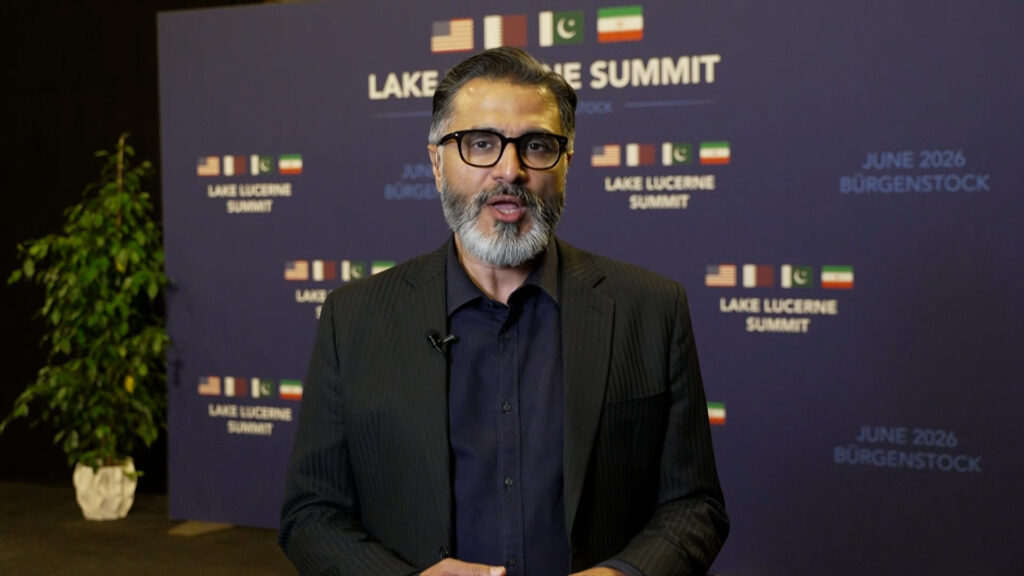
In a significant diplomatic development, negotiators from the United States and Iran convened in Switzerland to discuss prospects for a ceasefire, marking a critical step towards easing longstanding tensions between the two countries. The talks, described by participants as both ‘tense’ and ‘constructive,’ reflect the complexities and challenges inherent in navigating decades of political strife.
The day-long meeting saw representatives engage in robust dialogue, aiming to establish conditions conducive to a durable ceasefire. While specific details of the discussions remain confidential, sources close to the negotiations indicate an atmosphere of cautious optimism.
The backdrop to these talks involves multifaceted geopolitical issues including nuclear program concerns, regional security dynamics, and economic sanctions that have heavily influenced US-Iran relations. Both sides appear to recognize the necessity of dialogue in preventing further escalation and fostering stability in the Middle East.
Observers note that the choice of Switzerland as a neutral venue underscores the international community’s desire to facilitate meaningful negotiations. It is a setting that encourages open communication and impartial mediation.
Although the talks were described as tense, reflecting the gravity of the issues at stake and the deep-seated mistrust between the two nations, the constructive nature of the conversations suggests a shared interest in peace and conflict resolution.
Diplomats highlight that the success of these negotiations could pave the way for broader agreements on disarmament and economic cooperation, potentially unlocking new avenues for engagement and rebuilding trust.
Critically, both sides have expressed a commitment to continue talks, signaling an openness to ongoing dialogue despite the difficulties involved. This continued engagement is vital for maintaining momentum toward peace and stability in a region historically prone to conflict.
The international community has generally welcomed the dialogue, viewing it as a positive step towards de-escalation. Key global powers have urged both the US and Iran to sustain their efforts and work collaboratively towards tangible outcomes.
Experts emphasize that while immediate breakthroughs may not be forthcoming, incremental progress in dialogue is essential. The path to a ceasefire involves complex negotiation, patience, and mutual concessions.
The talks also have implications beyond bilateral relations; stability between these two influential nations could impact global energy markets, security alliances, and international diplomatic frameworks.
In conclusion, the US-Iran meeting in Switzerland represents a hopeful moment amid a fraught geopolitical landscape, demonstrating that even deeply divided parties can find common ground through dialogue. Continued negotiations hold the promise of reducing tensions and advancing peace in a region of critical global significance.