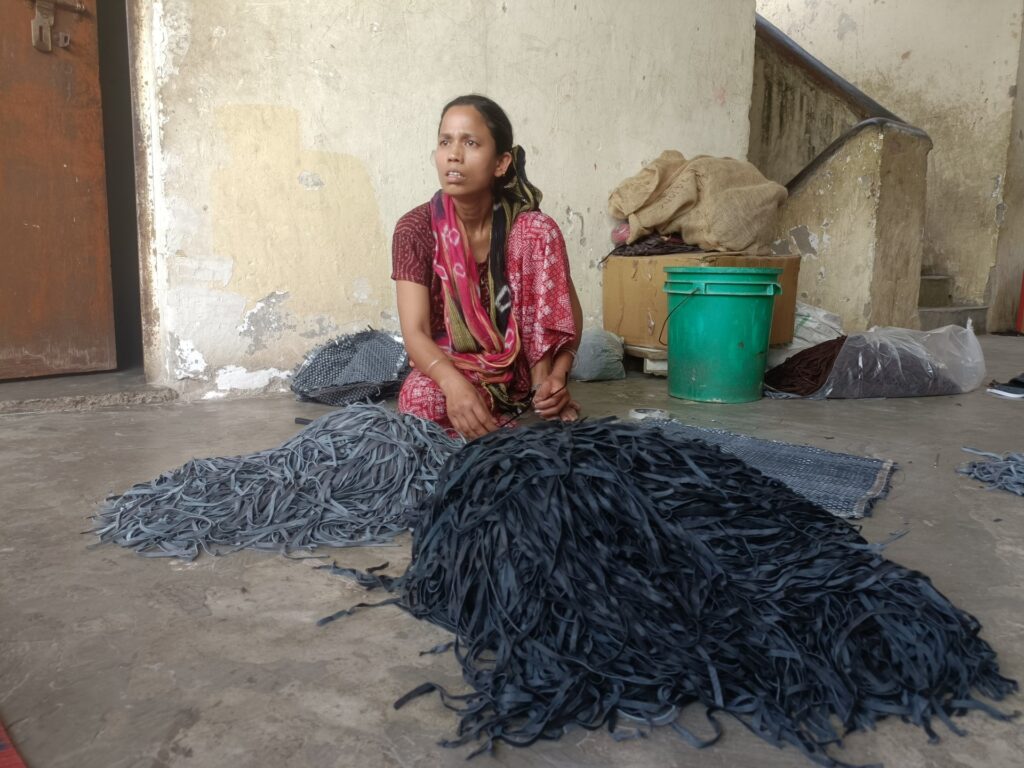
On 20 June 1996, the International Labour Organization (ILO) adopted Convention 177, marking a landmark moment for home-based workers worldwide. This milestone instrument recognised home-based workers on a par with traditional wage earners and aimed to ensure their rights and protection in the labour market.
As the convention celebrates its 30th anniversary, home-based workers in India are raising their voices more assertively to demand equal rights and recognition. Despite the convention’s principles, many home-based workers in India continue to grapple with insecure employment, lack of social security, and inadequate access to basic worker protections.
Convention 177 was groundbreaking in that it specifically targeted the unique challenges faced by home-based workers — a predominantly informal workforce often invisible in national labour statistics. The convention highlighted the need for governments to provide support for fair wages, social security benefits, safe working conditions, and collective bargaining rights for these workers.
In India, where millions of people are engaged in home-based work across industries such as textiles, handicrafts, and food processing, the fight for equal rights remains uphill. Despite being critical to the economy, home-based workers frequently suffer from arbitrary wages, exploitation, and exclusion from health and social welfare schemes.
Activists and worker unions have increasingly called on Indian policymakers to implement the provisions of Convention 177 fully. They urge the government to recognise home-based workers formally, support their organisation into trade unions, and ensure their inclusion in labour laws and social protection programs.
Recent years have seen encouraging developments, such as state-level initiatives aimed at providing welfare measures to home-based workers. However, advocates argue that these efforts must be scaled up and backed by robust legislation that enshrines the rights envisaged by Convention 177.
The 30-year mark of Convention 177 presents an opportunity for renewed commitment at all levels – from local grassroots movements to national government policies and international cooperation. Equal rights for home-based workers not only uplift this vulnerable workforce but also contribute to building a more inclusive and just labour market.
As India commemorates Convention 177’s anniversary, it faces both a challenge and a chance to transform policy into practice. Recognising and empowering home-based workers adequately will signal progress towards decent work for all, a goal that stands at the heart of the ILO’s mission.
The legacy of Convention 177 is clear: home-based workers deserve dignity, fairness, and equality in their work. The question now is how quickly and effectively India will respond to this call in the years ahead.