In recent developments, Iran’s political landscape has been sharply divided over a proposed memorandum of understanding with the United States aimed at fostering peace. This situation has ignited intense debate among rival political camps within the country, illustrating the deep ideological rifts that define contemporary Iranian politics.
On one side, reformist and moderate factions in Iran view the US peace deal as an opportunity to ease international tensions and stimulate economic growth. These groups argue that engaging with the US could help lift sanctions, attract foreign investment, and improve the overall quality of life for Iranian citizens. They believe that diplomatic engagement, rather than isolation, is the productive path forward and support the memorandum as a framework for constructive dialogue.
Conversely, hardline conservatives and principalists remain staunchly opposed to the agreement, perceiving it as a capitulation that undermines Iran’s sovereignty and revolutionary values. They warn that the US cannot be trusted and that any engagement is likely to be a tactic for further pressure and control. These factions emphasize resistance and self-reliance, advocating for a firm stance against foreign interference and cautioning against any deal that may compromise Iran’s strategic interests.
The friction surrounding the memorandum of understanding mirrors the broader debate in Iran about its future direction on foreign policy and domestic governance. While the moderates push for reform and reintegration with the global community, conservatives emphasize ideological purity and national pride rooted in the 1979 revolution.
This internal dispute has significant implications for Iran’s international relations. A consensus on the memorandum could potentially lead to a thaw in US-Iran relations, paving the way for renewed negotiations on contentious issues such as nuclear development and regional influence. However, persistent opposition from conservatives introduces uncertainty about the deal’s viability and durability.
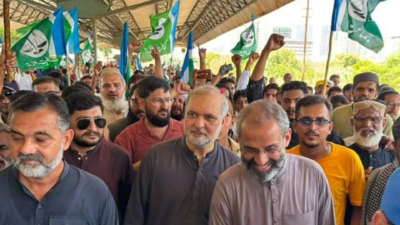
The government has been attempting to navigate these tensions by holding discussions among various political stakeholders and gauging public opinion, which remains divided. Social media and public discourse reveal a polarized society, with citizens equally torn between hope for peace and skepticism of US intentions.
Analysts suggest that the outcome of this dispute will not only shape Iran’s diplomatic trajectory but will also influence the internal power balance between reformists and conservatives. If the memorandum is ratified and implemented, reformists could gain momentum to further their agenda of modernization and engagement. On the other hand, a rejection could bolster conservatives, reinforcing a policy of resistance and isolation.
In conclusion, Iran’s political factions stand at a crossroads concerning the US peace deal memorandum of understanding. The deliberations reflect the country’s ongoing struggle between opening up to the world and safeguarding revolutionary ideals. The path forward remains uncertain, but the debate underscores the complexity and intensity of Iran’s political dynamics in a rapidly evolving international context.