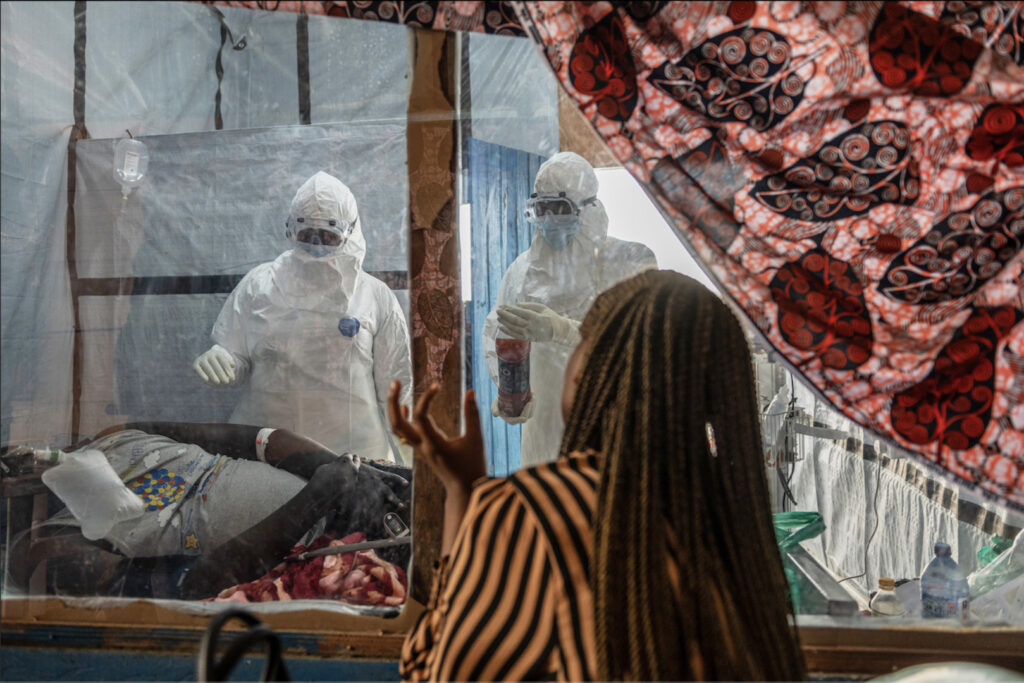
In a recent and alarming development in the Democratic Republic of Congo (DRC), families of suspected Ebola patients stormed a quarantine centre, forcibly removing their loved ones from the facility. This incident has raised serious concerns about the containment efforts of the deadly Ebola virus in the region.
The treatment centre, which was set up to isolate and provide medical care to individuals showing symptoms of Ebola, faced an unexpected turmoil as agitated family members broke through security to take patients back. The reasons behind this action appear to be rooted in fear, mistrust, and misinformation about the disease and the treatment protocols at the centre.
Ebola, a virus notorious for causing severe hemorrhagic fever with high fatality rates, requires strict isolation and careful medical supervision to control outbreaks. The DRC has faced multiple Ebola outbreaks in the past, with response teams working tirelessly to limit transmission and provide timely care.
Health officials have expressed grave concern following the breach, emphasizing that removing patients from quarantine jeopardizes not only their health but also public safety. Patients taken out prematurely may not receive the necessary treatment, potentially worsening their prognosis and increasing the risk of infecting others.
The incident has also highlighted the challenges of conducting outbreak response in communities with deep-seated fears and skepticism towards medical interventions. Misinformation and stigma surrounding Ebola often lead families to resist isolation measures, viewing them as punitive rather than protective.
Authorities in the DRC and international health organizations are now intensifying efforts to engage with affected communities. They aim to build trust through transparent communication, community involvement, and addressing the underlying fears that drive such drastic actions.
Local leaders, health workers, and international partners are working together to ensure that the affected families understand the importance of quarantine and treatment for patients suspected of having Ebola. They also stress the reality of the disease’s severity and the benefits of early medical intervention.
This incident serves as a stark reminder of the complexities involved in managing infectious disease outbreaks, particularly in regions where health systems are fragile and public trust is limited.
As the DRC continues to battle Ebola, the cooperation of communities remains essential. Ensuring that patients complete their treatment in designated centres is crucial for controlling the outbreak and eventually bringing it to an end.
Efforts are ongoing to secure the treatment centres better and to provide additional support and education to families to prevent recurrence of such events. The incident also underscores the urgent need for sustained investment in healthcare infrastructure and community engagement to combat Ebola effectively.
The world watches closely as the DRC navigates this challenging episode in its ongoing fight against one of the most lethal viruses known to humanity. Stakeholders emphasize that while medical treatment is critical, fostering trust and understanding within communities is equally important in the battle against Ebola.