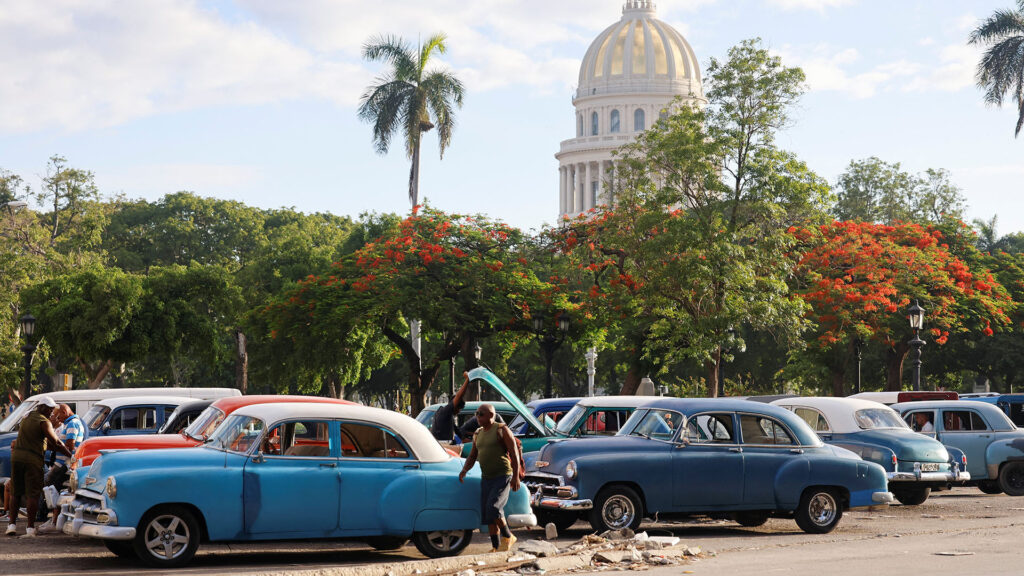
Cuba has taken a significant step toward transforming its economy by approving a series of sweeping economic reforms. These reforms mark a pivotal shift, allowing private investment in key sectors that were previously dominated by the state. The move comes amid growing pressure from the United States, which has maintained an economic embargo against the island for decades, restricting Cuba’s access to global markets and investment.
The newly approved reforms aim to modernize Cuba’s socialist economy by encouraging foreign and domestic private investments, especially in sectors such as agriculture, manufacturing, tourism, and services. For years, Cuba’s economy has struggled under strict government control and limited external trade, leading to shortages and reduced economic growth.
Under the new framework, Cuban entrepreneurs and international investors will have more freedom to establish and operate businesses, a significant departure from the centralized economic model that has dominated the island since the 1959 revolution. The government hopes that these reforms will spur economic growth, create jobs, and improve living standards for Cuban citizens.
The reforms also include measures to streamline bureaucratic processes and reduce state intervention in the economy. This is expected to foster a more dynamic private sector and attract foreign capital, which is crucial for the country’s development. The government plans to maintain strategic control over critical industries while allowing flexibility and competition in others.
U.S. sanctions have long placed significant constraints on Cuba’s economy, limiting the country’s ability to trade, invest, and access financial markets internationally. By opening the economy to private investment, Cuba appears to be repositioning itself to counteract these limitations and integrate more closely with global economic systems.
Despite the optimism surrounding the reforms, challenges remain. These include ensuring legal protections for private investors, addressing the legacy of limited infrastructure, and managing social inequalities that may arise from a more market-oriented economy. Moreover, the political landscape in Cuba continues to be tightly controlled, and reforms are likely to be cautiously implemented to balance economic liberalization with political stability.
International observers are watching closely to see how Cuba navigates these reforms amid ongoing U.S. sanctions and geopolitical tensions. The success of these economic changes could serve as a model for other countries facing similar restrictions and could lead to increased diplomatic engagements with Cuba.
In conclusion, Cuba’s approval of major economic reforms represents a bold attempt to revitalize its economy by embracing private investment and market mechanisms while contending with external pressures from the United States. The coming years will be crucial in determining how effectively these reforms can foster sustainable economic growth and improve the quality of life for the Cuban people.