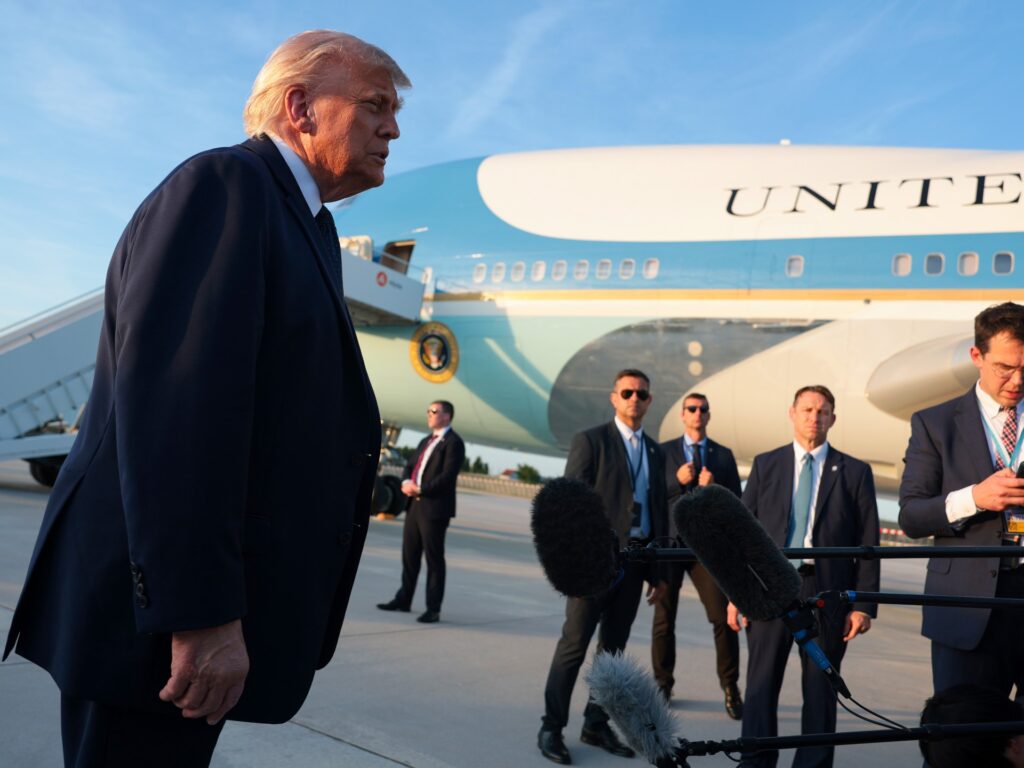
The announcement of a $300 billion reconstruction fund for Iran, agreed upon in a Memorandum of Understanding (MoU), has turned into a significant political issue in the United States. Former President Donald Trump has publicly declared that the US will not contribute financially to the proposed fund. Trump’s opposition has galvanized lawmakers who are increasingly concerned about the affordability of such a large investment, especially in light of other pressing economic priorities within the country.
The reconstruction fund is intended to support Iran’s infrastructure development and economic revitalization. Proponents argue that it could foster regional stability and facilitate better international relations through economic cooperation. However, critics in the US view the massive price tag as potentially detrimental to American taxpayers and fear it could divert resources away from domestic needs.
This political disagreement highlights broader tensions between the US and Iran, especially as the two nations navigate complex diplomatic and economic landscapes. Supporters of the fund say that it could help incentivize Iran to engage positively with the global community, potentially encouraging reforms.
On the other hand, opponents are skeptical about Iran’s commitment to using the funds transparently and effectively. They emphasize concerns about Iran’s human rights record and ongoing geopolitical conflicts, questioning whether American involvement would be wise.
The controversy has sparked vigorous debate among US lawmakers, with some urging caution and others calling for diplomatic engagement strategies that include financial support for reconstruction. The issue is further complicated by broader US domestic political dynamics, where fiscal responsibility and national security are often at odds.
Economic experts have weighed in on the discussion, highlighting the need for clear accountability measures if the fund is to proceed. They emphasize that reconstruction funds can significantly impact regional stability if managed well, but also pose risks if misallocated.
In addition to political and economic debates, this development may influence future US foreign policy decisions concerning Iran and the Middle East. How this situation evolves will be closely monitored by international observers, governments, and investors alike.
Ultimately, the $300 billion Iran reconstruction fund serves as a flashpoint for multiple intersecting issues—diplomatic strategy, economic policy, political division, and international relations. The coming months will be critical in determining the fund’s fate and its broader implications for US-Iran relations and regional stability.