Residents of southern Lebanon have voiced deep skepticism regarding the recent memorandum of understanding (MoU) between the United States and Iran intended to end hostilities in the region. The agreement, which aims to halt the ongoing conflict between the two nations and promote stability, has raised hopes on a diplomatic level. However, local communities in southern Lebanon, long affected by geopolitical tensions and direct impacts of warfare, remain unconvinced that peace will endure.
Southern Lebanon has historically been a hotspot where regional tensions manifest vividly, often turning into violence that disrupts daily life. The inhabitants, many of whom have experienced successive wars and intermittent skirmishes, are wary of diplomatic agreements that have failed in the past to deliver tangible and lasting peace.
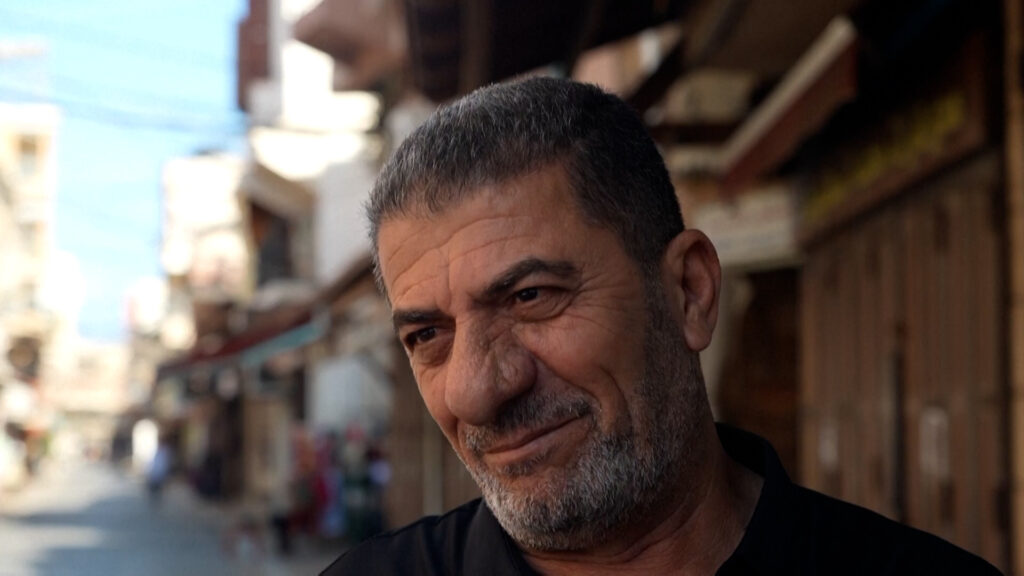
In interviews with residents, concerns surfaced about the enforceability of the MoU and the willingness of all parties to abide by its terms. There is a prevailing sentiment that while international politics may move forward with such agreements, local realities and on-the-ground conditions may not align accordingly. Several residents noted that past agreements brokered by foreign powers have not prevented renewed conflicts or addressed the underlying causes of hostility.
Moreover, the strategic and complex nature of alliances and enmities in the Middle East adds to the doubts. The rivalry between the US and Iran is entwined with the interests of Lebanon’s own factions and their external allies, complicating the prospect of a simple end to hostilities. Many locals fear that the MoU might only provide a temporary ceasefire rather than a permanent peace solution.
Economic and social challenges prevalent in southern Lebanon also contribute to the community’s uncertainty. The ongoing instability has led to disrupted livelihoods, displacement, and destruction of infrastructure, all of which require lasting peace to be properly addressed. Without stable conditions, the region risks a cycle of violence and recovery that hampers development and well-being.
Political analysts emphasize that while the agreement symbolizes a positive step towards diplomacy, the path to lasting calm is fraught with obstacles. Implementation mechanisms, trust-building, and genuine commitment from all involved parties are essential to transform the MoU from a formal declaration into a lived reality.
In conclusion, while the US-Iran memorandum of understanding offers a hopeful framework to reduce hostilities, residents of southern Lebanon remain cautious. Their skepticism reflects the complex historical, political, and social dynamics of the region. For peace to be enduring, diplomatic breakthroughs must be accompanied by tangible improvements in security, governance, and economic stability on the ground.