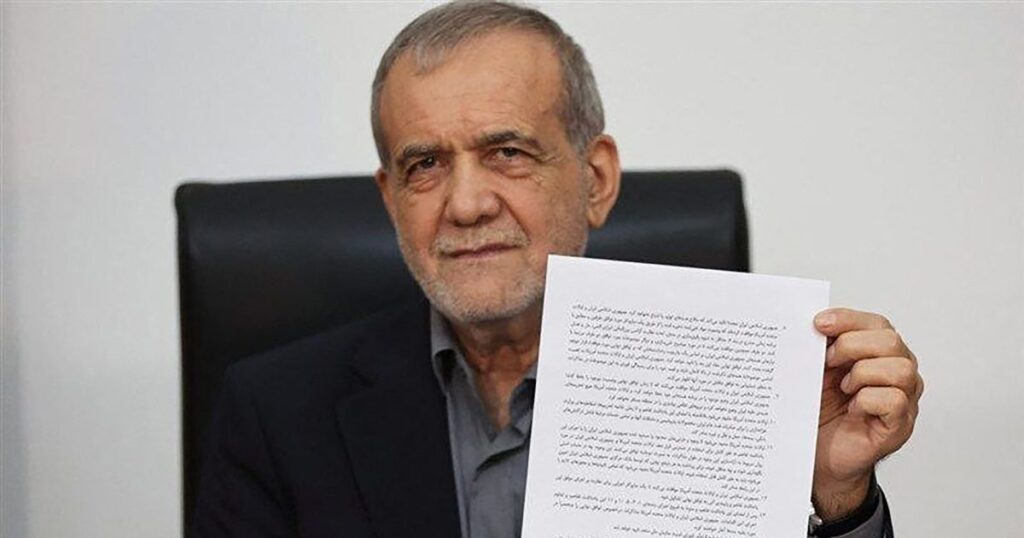
The Trump-Iran memorandum of understanding (MoU), comprising 14 points, outlines a framework addressing pivotal regional and nuclear concerns yet leaves several critical questions unanswered. Focusing specifically on Lebanon, the strategic Strait of Hormuz, and Iran’s uranium activities, the agreement presents nuanced positions with implications for Middle Eastern geopolitics.
Regarding Lebanon, the MoU touches upon Iran’s influence through proxy forces, primarily Hezbollah. It emphasizes a need for regional stability and a reduction in external interference that fuels sectarian tensions and undermines Lebanese sovereignty. However, the document refrains from detailing specific measures to curtail Iranian-backed militias or delineate a concrete path for Lebanon’s political future.
On the Strait of Hormuz, a vital global oil transit chokepoint, the agreement acknowledges the strategic importance of maintaining freedom of navigation and security. The MoU encourages cooperative security efforts among regional stakeholders but stops short of delineating enforceable guarantees or mechanisms to prevent potential disruptions, which have historically been a flashpoint due to Iranian naval activities.
In relation to uranium, the memorandum addresses Iran’s nuclear program by proposing constraints aimed at preventing nuclear weapons development. It includes terms focused on uranium enrichment levels, stockpile limits, and enhanced inspection regimes. Nonetheless, ambiguities persist about verification processes and the scope of uranium activities permitted, leaving a gap in assurance against clandestine nuclear weapons work.
Overall, while the Trump-Iran MoU makes strides in acknowledging and setting broad parameters on Lebanon’s political landscape, Hormuz’s security, and uranium management, its vagueness on enforcement and detailed provisions leaves key uncertainties. The agreement serves as a starting point for dialogue but requires further refinement and transparency to build trust and ensure tangible progress on these critical regional and nuclear issues.