In the latest developments from the Middle East, tensions remain high as Israel continues its military attacks in Lebanon, despite a newly signed deal between the United States and Iran. The deal, which US officials have described as significant, reportedly includes provisions aimed at ending the war in Lebanon and facilitating the reopening of the strategically critical Strait of Hormuz.
The ongoing conflict in Lebanon has drawn international attention due to its potential to destabilize the broader region. While the US and Iran’s agreement brings a glimmer of hope for peace, Israel’s continued strikes signal persistent unrest and uncertainty.
The deal was negotiated to address multiple regional security concerns, with the cessation of hostilities in Lebanon being a cornerstone. Additionally, ensuring safe passage through the Strait of Hormuz, a vital chokepoint for global oil transportation, was a central objective. US officials have highlighted the importance of the Strait’s reopening for economic stability and energy markets worldwide.
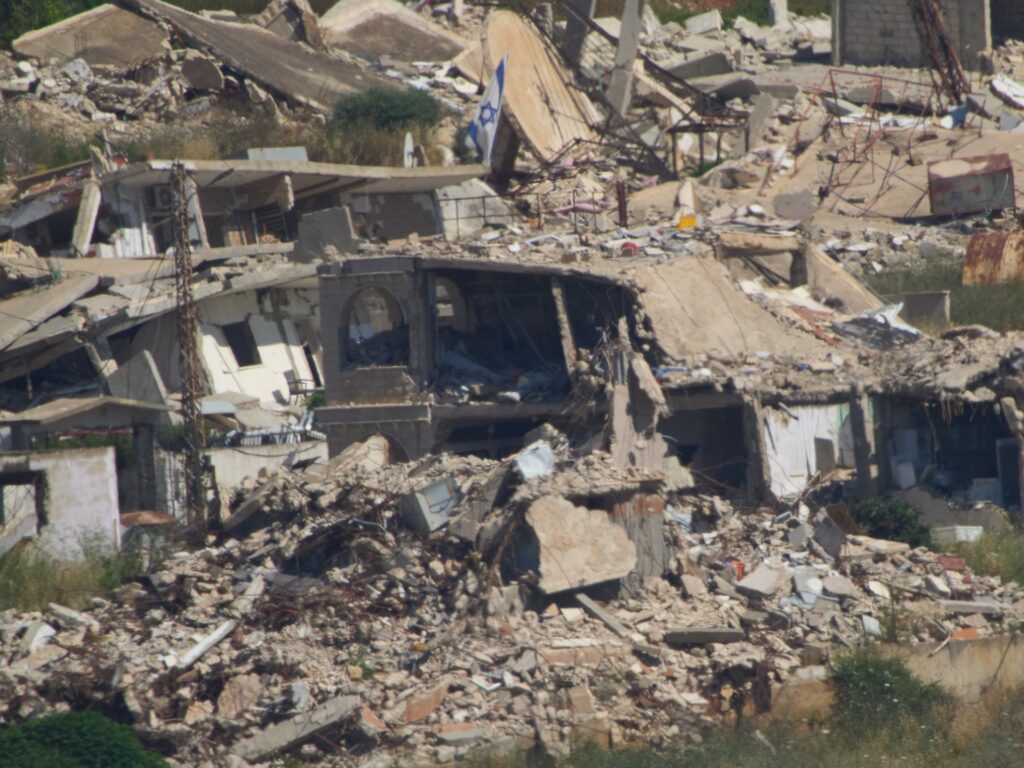
Despite these optimistic elements, the situation on the ground tells a different story. Israeli forces have maintained their offensive operations against various targets in Lebanon, citing security threats and retaliatory acts against militant groups operating near its borders.
This juxtaposition draws attention to the complex nature of Middle Eastern geopolitics, where peace agreements can be fragile and subject to myriad influences. The US-Iran deal has been welcomed by some international observers as a diplomatic breakthrough, yet it faces skepticism from others wary of implementation challenges and underlying hostilities.
Lebanon has suffered heavily amid the conflict, with civilian casualties mounting and infrastructure damage worsening economic hardships. The nation’s fragile political landscape complicates efforts toward lasting peace, as internal divisions and external pressures continue to influence decision-making.
Israel’s continued military actions are seen by its government as necessary for national security, aimed at preventing attacks from groups it deems hostile. However, these actions have drawn condemnation from various quarters, including humanitarian organizations concerned about the impact on non-combatants.
Meanwhile, Iran’s role as a key player in regional dynamics remains a focal point. The US-Iran agreement is viewed as an attempt to recalibrate relations in a way that could reduce proxy conflicts and foster stability, though its success depends on adherence by all parties involved.
The international community watches closely, hoping for a de-escalation of hostilities and a return to dialogue. The reopening of the Strait of Hormuz is critical, given its importance to global trade and energy supplies.
As events unfold, the situation remains fluid, with developments in Lebanon and the broader Middle East continuing to impact global security, economy, and diplomacy. Stakeholders urge caution, patience, and concerted efforts to ensure that the recent diplomatic breakthrough translates into tangible peace and stability for the region.