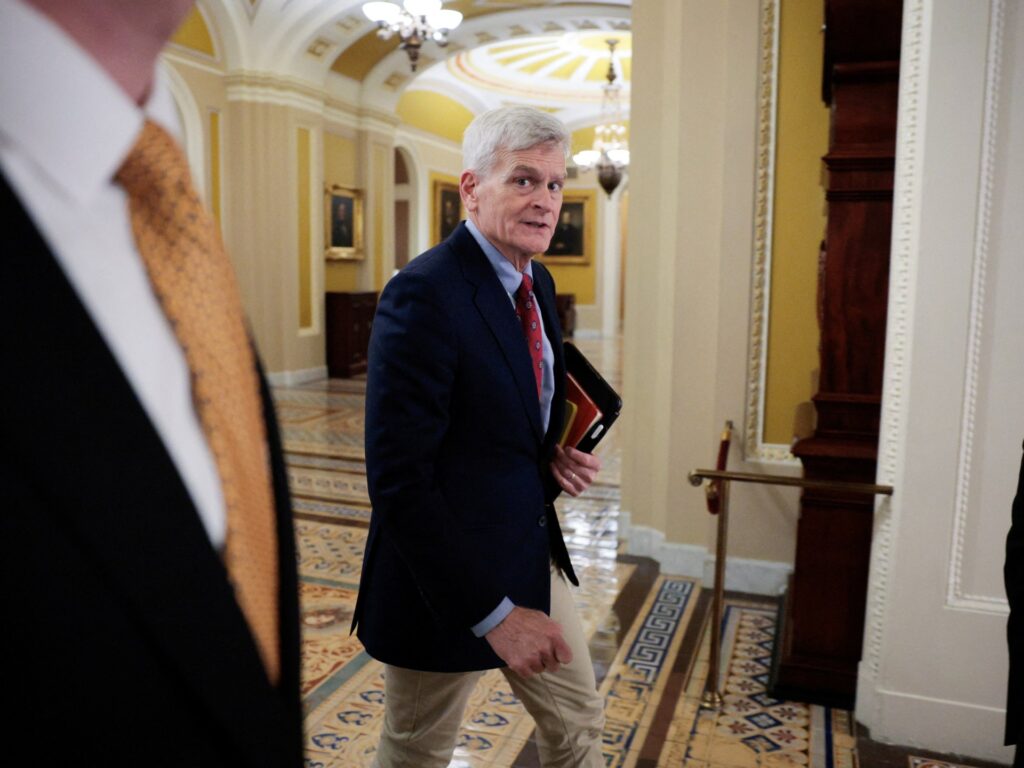
The memorandum of understanding (MoU) signed between the Trump administration and Iran has ignited strong criticism from certain members of the Republican Party. Louisiana Senator Bill Cassidy has been particularly vocal, condemning the agreement as the “worst foreign policy blunder in decades.” This backlash highlights the intense divisions within the GOP regarding the administration’s approach to Iran and broader foreign policy strategies.
Senator Cassidy’s criticism underscores concerns shared by some Republicans that the MoU could undermine U.S. interests in the Middle East and embolden Iran’s regional ambitions. The senator argued that the agreement may compromise American security and weaken the country’s leverage in negotiations with Tehran.
The MoU, aimed at addressing ongoing tensions and fostering diplomatic engagement between the U.S. and Iran, was initially presented by the Trump administration as a strategic maneuver to curb Iran’s nuclear ambitions and stabilize the region. However, the negative response from influential GOP figures highlights the complexity and contentious nature of the agreement.
Critics within the party fear that the terms of the MoU could be too lenient, potentially allowing Iran to continue its controversial activities with less oversight. They worry that this may lead to increased instability across the Middle East and hamper efforts to counteract Iran’s influence.
Despite the backlash, some lawmakers emphasize the importance of diplomatic dialogue in resolving long-standing conflicts. They argue that engagement, rather than isolation, is a more effective path toward achieving durable peace and security.
The bipartisan debate surrounding the MoU reflects broader tensions over America’s role in the Middle East and the best strategies for engaging with Iran. It also raises questions about the future of U.S. foreign policy under the Trump administration and the potential long-term implications of such agreements.
In the coming weeks, congressional hearings and discussions are expected to further dissect the MoU’s provisions and impact. Lawmakers on both sides will likely probe the administration’s rationale and assess the strategic value of its approach toward Iran.
Meanwhile, global observers and allies are watching closely, as the U.S.’s stance on Iran significantly influences regional dynamics and international relations. The ongoing debate within the U.S. political landscape serves as a reminder of the complex challenges involved in addressing the Iranian issue.
Senator Cassidy’s description of the MoU as a “blunder” encapsulates the frustration felt by many Republicans who view the agreement as a departure from traditional hardline policies toward Tehran. This sentiment is expected to amplify as further details emerge and the ramifications of the MoU become clearer.
As the discussion unfolds, the Trump administration will need to navigate these domestic criticisms while managing its foreign policy objectives. The situation underscores the delicate balance of diplomacy, national security, and political considerations in contemporary international affairs.