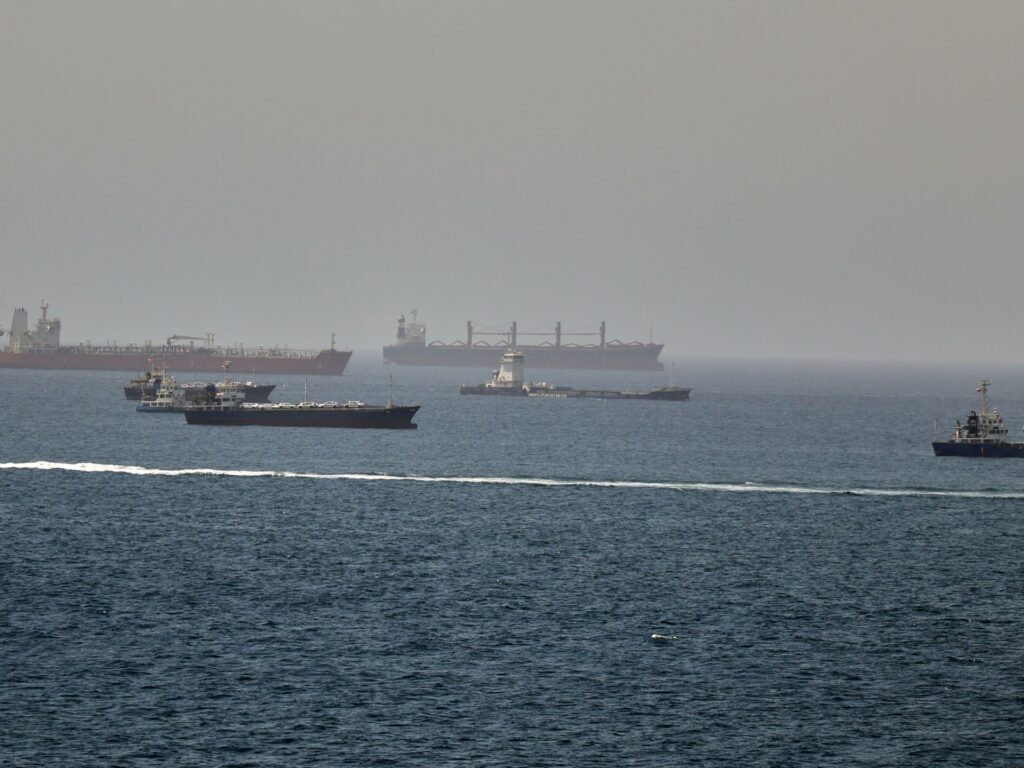
In a significant development in the ongoing tensions between the United States and Iran, Iranian tankers have reportedly exited the US-imposed blockade zone just days before the commencement of crucial diplomatic talks aimed at ending the conflict between the two nations. This movement of tankers has been closely monitored by TankerTrackers, a maritime analytics platform, which indicates that Iran has exported its first batch of oil in two months.
The timing of the tanker departures appears to coincide with preparations for a memorandum of understanding (MoU) that both countries are expected to sign. This MoU is anticipated to lay the groundwork for further dialogue and negotiations designed to de-escalate hostilities and build a path toward a peaceful resolution.
Iranian officials have not officially confirmed the export details, but the tracking data suggests that the tanker activity marks a notable shift in Iran’s oil trade, which has been severely restricted due to US sanctions and naval blockade efforts. The US has maintained a strategic naval presence in the region, asserting its role in preventing Iran from transporting oil that could fund hostile actions.
Experts view the departure of these tankers as a positive signal that both sides may be willing to reduce military and economic pressure in exchange for diplomatic engagement. The upcoming talks are expected to focus on a range of issues, including nuclear agreements, regional security, and economic sanctions.
The international community has been closely watching developments, as a peaceful resolution between the US and Iran could lead to greater stability in the Middle East, potentially stabilizing global oil markets and reducing the risk of military confrontations.
The exit of Iranian tankers from the blockade zone might also improve Iran’s oil revenue prospects, providing the country with economic relief amid ongoing hardships. This move, combined with the diplomatic efforts, could set the stage for a new era of cooperation and reduced tensions.
However, analysts caution that significant challenges remain, as mistrust between the two countries is deep-rooted, and the success of the talks will require concerted efforts and compromises from both sides. The US has reiterated its demand for Iran to curb its nuclear program, while Iran insists on the lifting of sanctions as a precondition for any agreements.
As the MoU signing approaches, both governments are expected to emphasize the importance of dialogue and the avoidance of further conflict, signaling a potential thaw after years of antagonism. Observers will be keen to see how these initial steps translate into concrete policy changes and whether they can pave the way for a broader peace framework.
Overall, the recent movement of Iranian tankers out of the US blockade zone marks a noteworthy development in US-Iran relations, reflecting a possible shift toward diplomacy and negotiation. The upcoming talks and the MoU could be instrumental in charting a course toward ending the ongoing war and fostering long-term regional stability.