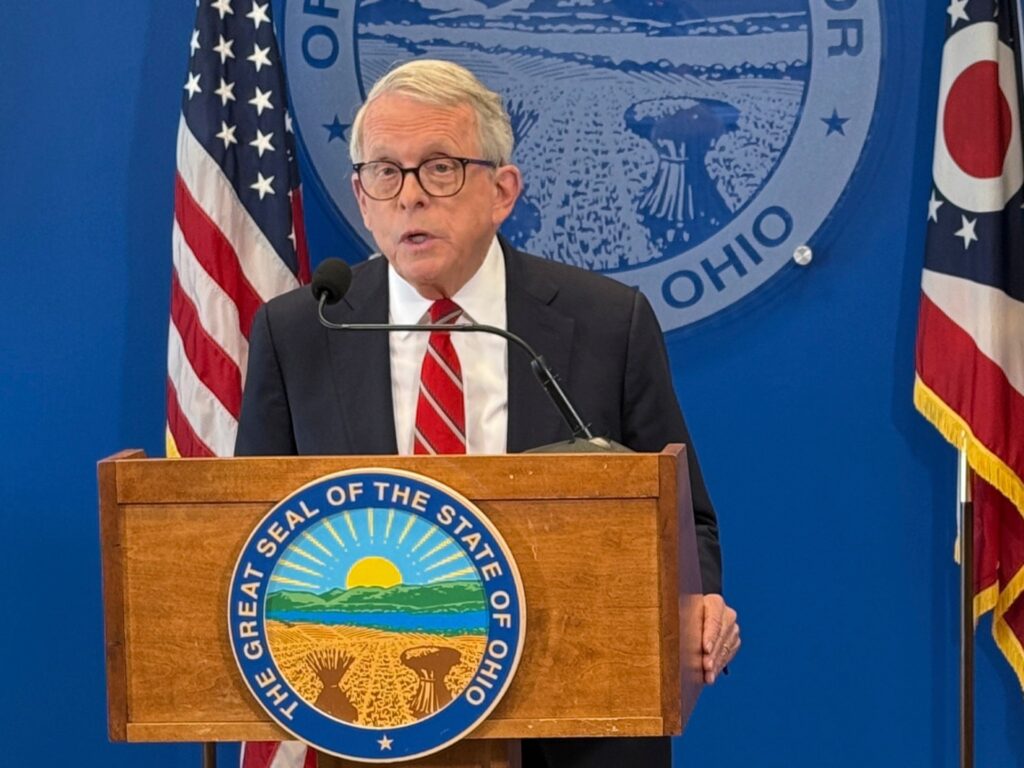
In a significant shift, Ohio Governor Mike DeWine has publicly opposed the death penalty, reversing his previous support for capital punishment. This development aligns with a broader national trend, as support for the death penalty has steadily declined across the United States.
Governor DeWine’s change of heart reflects growing concerns about the fairness, efficacy, and morality of capital punishment. He cited issues such as wrongful convictions, the high costs associated with death penalty cases, and the lack of conclusive evidence that it serves as a deterrent to crime.
Ohio, a state that has historically actively used the death penalty, now faces questions about the future of this practice. The governor’s stance might influence legislative actions and impact ongoing debates about criminal justice reform within the state.
This reversal mirrors a nationwide reevaluation of capital punishment policies. Over the past decades, several states have either abolished the death penalty or imposed moratoriums on executions, driven by shifting public opinion and concerns about racial disparities and wrongful convictions.
Statistics indicate a notable decline in both death sentences and executions nationwide. Advocates for abolition argue that life imprisonment without parole offers a more humane alternative.
Governor DeWine’s announcement also responds to increasing activism from civil rights groups, legal experts, and the general public advocating for the end of the death penalty. Their efforts highlight systemic flaws and call for justice system reforms.
Ohio’s legal community is expected to engage deeply with this shift, as prosecutors, defense attorneys, and judges adjust to a potential new legal landscape.
Moreover, this development could influence other states where death penalty support remains strong, potentially accelerating nationwide momentum towards abolition.
Despite opposition from some law enforcement and victims’ families, the trend away from capital punishment is gaining notable legislative and public support.
As the debate continues, Governor DeWine’s position may serve as a pivotal moment, marking a redefinition of Ohio’s justice policies and reflecting a broader transformation in American attitudes towards the death penalty.