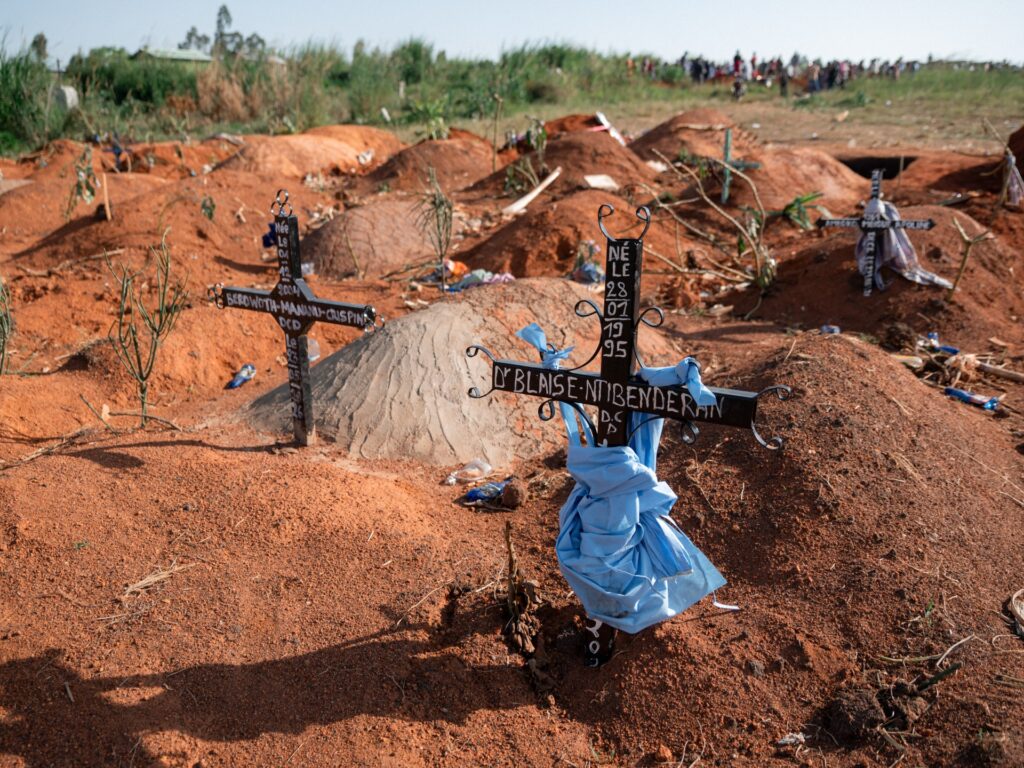
The Red Cross has issued a caution regarding the ongoing Ebola outbreak in the Democratic Republic of Congo (DRC), emphasizing that the epidemic has not yet reached its peak and may continue to affect the region for an extended period, possibly up to a year. Officials from the Red Cross highlighted the significant challenges they face in accurately gauging the full extent of the outbreak, describing it as ‘very difficult’ to determine how widely and rapidly the virus is spreading across the affected areas.
The Ebola virus, known for causing severe hemorrhagic fever with high fatality rates, has been a persistent public health threat in parts of Africa, with periodic outbreaks in previous decades. This latest resurgence in the DRC has prompted an urgent response from both national health authorities and international organizations to curb the spread and improve medical outreach.
The difficulty in assessing the outbreak’s scope is compounded by factors such as remote and inaccessible communities, ongoing conflict in certain regions, and limited resources for surveillance and medical intervention. These obstacles hinder efforts to conduct thorough contact tracing, deliver vaccinations, and provide comprehensive treatment to those infected.
Health workers and volunteers on the ground continue to engage in community education and prevention campaigns to reduce transmission risks. The Red Cross, along with partners, plays a critical role in supporting these activities, offering logistical support, medical supplies, and personnel to the frontline.
Despite the daunting outlook, officials remain committed to efforts aimed at containing the virus. The warning from the Red Cross serves as a call for sustained international support, increased funding, and heightened awareness to tackle this public health emergency effectively.
As the situation evolves, close monitoring and adaptive response strategies will be key to ultimately controlling the outbreak. The international community is urged to remain vigilant and proactive, recognizing that overcoming such an epidemic requires coordinated action and resilience in the face of uncertainty.