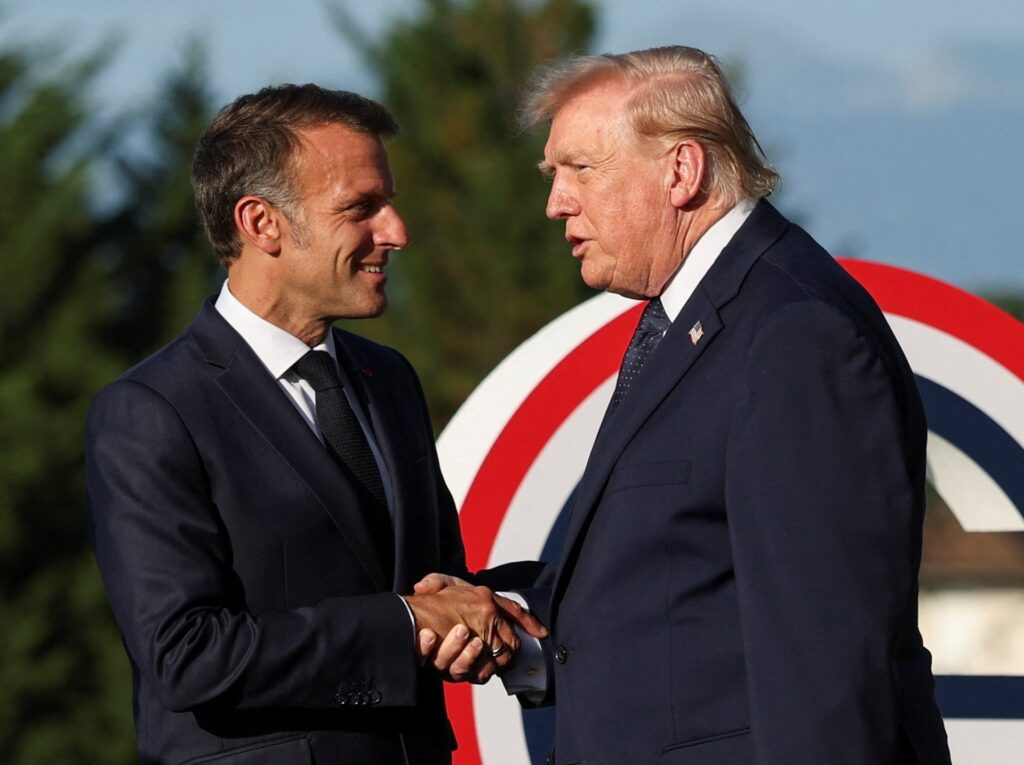
The Group of Seven (G7) leaders convened in France for a pivotal summit, with discussions centering on pressing international concerns, notably the situations involving Iran and Ukraine. French President Emmanuel Macron emphasized that a significant focus of Tuesday’s lunch summit would be the reopening of the Strait of Hormuz, a crucial maritime chokepoint for global oil transportation, currently affected by regional tensions.
The G7 summit brought together the leaders of the world’s largest advanced economies, underscoring their collective commitment to addressing global security, economic stability, and diplomatic challenges. The agenda’s spotlight on Iran reflects ongoing worries regarding geopolitical stability in the Middle East, particularly concerning Iran’s actions in the region and its impact on international maritime routes.
Simultaneously, the Ukraine crisis remains a major topic, with leaders assessing the ongoing conflict and strategizing on diplomatic and economic measures to support Ukraine’s sovereignty and promote stability in Eastern Europe.
President Macron highlighted the strategic importance of the Strait of Hormuz, through which about a fifth of the world’s oil passes daily. The closure or disruption of this vital artery could have severe repercussions on global energy supplies and economic markets. The G7’s collective efforts are aimed at ensuring safe passage through the strait, mitigating risks, and fostering diplomatic dialogue to de-escalate tensions.
In addition to these key issues, the summit provided a platform for member nations to coordinate on various global challenges, including climate change, pandemic recovery, and economic cooperation. The leaders reaffirmed their commitment to working together on international peace, security, and sustainable development.
The discussions during the G7 summit reflect the complexity and interconnectedness of today’s global challenges. By addressing the Strait of Hormuz’s reopening and the conflicts in Iran and Ukraine, G7 leaders aim to safeguard global trade routes, promote regional stability, and advocate for peaceful resolutions through diplomacy.
This summit represents a critical moment for international collaboration, highlighting the importance of unity among major world powers in tackling geopolitical tensions and fostering a more stable and prosperous global community. The outcomes of this meeting are expected to influence international policies and contribute to a coordinated approach for future crises.