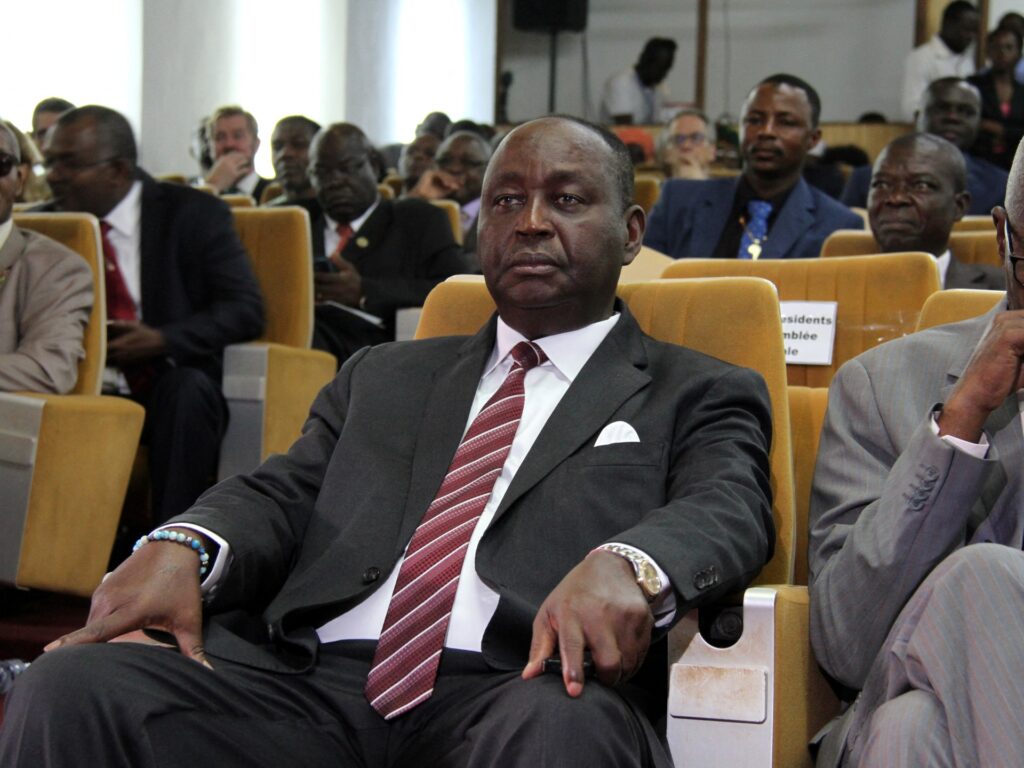
The former President of the Central African Republic (CAR), François Bozizé, is currently on trial in absentia for a series of grave crimes against humanity. This legal proceeding marks a significant moment in the country’s efforts to address past abuses and seek justice for victims.
The charges against Bozizé stem from actions attributed to his security forces during his time in power. These troops are alleged to have committed serious offenses, including murder, enforced disappearance, torture, and rape. These allegations highlight a dark chapter in the CAR’s recent history, characterized by violence and human rights violations.
Bozizé, who led the country from 2003 until he was ousted in 2013, has denied the accusations, maintaining his innocence. Despite his absence from the trial, the court has proceeded with the hearings, emphasizing the importance of accountability regardless of the accused’s presence.
The trial is being closely watched both domestically and internationally. Observers see it as a crucial step towards restoring rule of law and justice in the CAR, a country that has struggled with persistent instability and conflict.
Human rights organizations have welcomed the trial, viewing it as a sign that past abuses will not be overlooked. They stress the necessity for a thorough and fair judicial process to ensure justice for the victims and to promote reconciliation within the nation.
The alleged crimes paint a troubling picture of the methods used by security forces under Bozizé’s regime. Reports detail that during his presidency, state power was often enforced through brutal means, leading to widespread suffering among civilians.
Witness testimonies presented during the trial recount harrowing experiences of violence and intimidation. Many victims’ families hope that the trial will bring some measure of closure and demonstrate that justice can prevail even in complex situations.
The trial also serves as a precedent for other leaders accused of similar offenses in the region, highlighting the increasing willingness of courts to prosecute crimes against humanity.
While the trial continues, the political situation in the CAR remains fragile. The government faces ongoing challenges in stabilizing the country and rebuilding its institutions.
The proceedings underscore the critical role of international support and cooperation in addressing human rights abuses and strengthening judicial systems in conflict-affected nations.
As the trial progresses, it will be important to monitor its impact on the broader peace process and the administration of justice in the Central African Republic.
The world remains attentive to the outcome, recognizing that accountability is a key component in achieving lasting peace and security in the region.
Ultimately, the trial of François Bozizé symbolizes a determined effort by the Central African Republic to confront its past and pave the way for a more just and peaceful future.