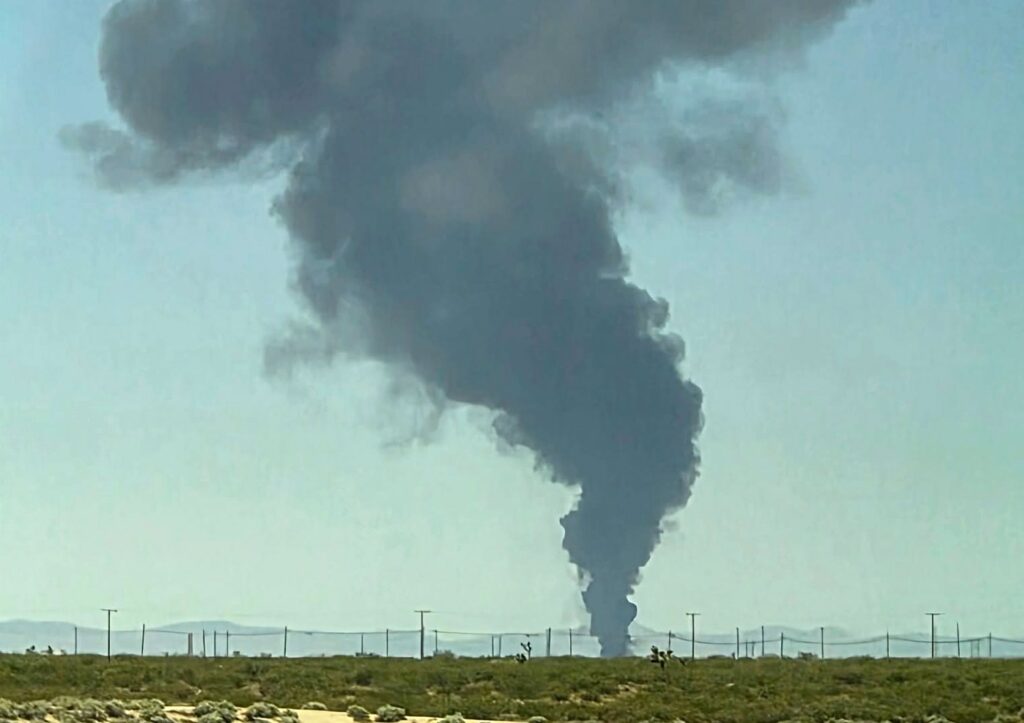
A US B-52 bomber, one of the longest-serving aircraft in the US Air Force, crashed in California during a routine test mission. The incident has raised concerns about the aircraft’s safety and operational readiness.
The B-52 Stratofortress, a strategic bomber in service since the 1950s, is a key component of the US military’s long-range bombing capabilities. Despite its age, the bomber has been continuously updated and remains in active service.
Details about the crash are still emerging, but initial reports indicate that the aircraft went down without any civilian casualties. The crew’s status has not yet been fully disclosed, with rescue operations underway.
The crash occurred during a routine test flight, which is part of the ongoing maintenance and evaluation process to ensure the bomber’s performance. Such missions are critical for assessing the aircraft’s systems, particularly given its extended service life.
Military officials have launched an investigation into the cause of the crash. Factors under consideration include mechanical failure, pilot error, and external conditions. The results of this investigation will be pivotal in determining the future use and maintenance protocols for the B-52 fleet.
The US Air Force has expressed condolences for the incident and emphasized its commitment to the safety of its personnel and the reliability of its fleet. This crash underscores the challenges of operating and maintaining aging military aircraft in today’s complex environment.
B-52 bombers have played a significant role in US military history, participating in various conflicts and missions globally. Their longevity is a testament to their design and continual upgrades, but incidents like this highlight the risks involved.
As the investigation continues, the military community and defense analysts will be closely monitoring developments. The findings will contribute to broader discussions on military aviation safety, technological upgrades, and strategic planning.
This event also prompts a review of protocols for routine test missions, aiming to mitigate risks and enhance the effectiveness of such critical operations. The Air Force is likely to implement any necessary changes swiftly to prevent similar occurrences in the future.
Families of those involved are being supported, and the military has reassured the public of its dedication to transparency and accountability in the investigation process.
The crash of the B-52 in California serves as a reminder of the complexities and inherent dangers in military aviation, highlighting the need for continuous vigilance, rigorous maintenance, and advanced technology integration to sustain the capabilities of valuable military assets.