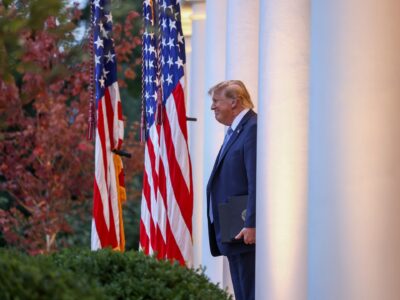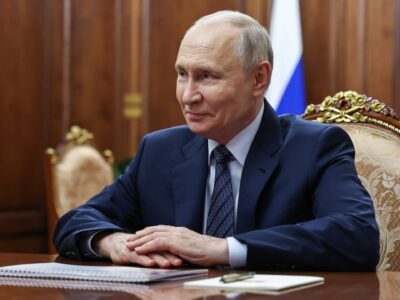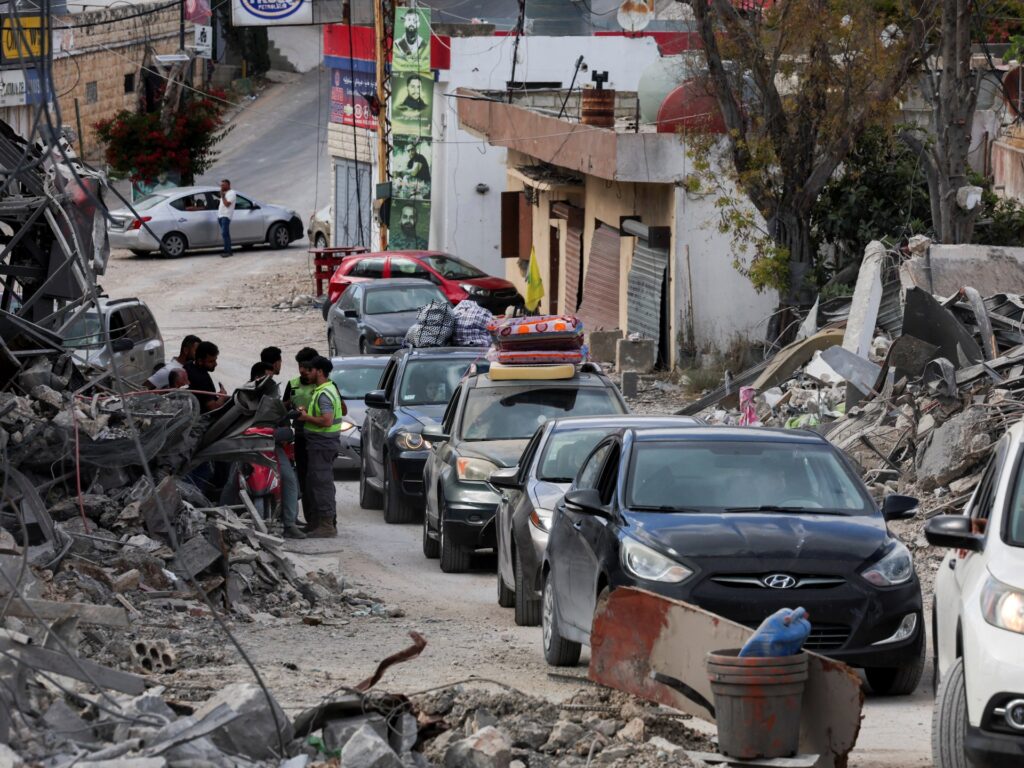
In a surprising development in Middle Eastern geopolitics, former US President Donald Trump announced that a Memorandum of Understanding (MoU) with Tehran had been signed electronically. This announcement comes amidst escalating tensions in the region, particularly involving the Strait of Hormuz, a crucial chokepoint for global oil shipments.
The context of this announcement is critical. For weeks, the Strait of Hormuz has been a flashpoint in the US-Iran conflict, with Iran asserting its dominance by allowing its vessels to pass through the strait, an area that the United States had previously attempted to control militarily via a naval blockade. Recently, the United States lifted this blockade, a move that has been interpreted variously as a tactical retreat or a diplomatic opening.
Israel, a close US ally and regional actor, has voiced strong backlash against this US-Iran deal. Israeli officials and commentators have expressed concerns that the lifting of the blockade and the subsequent MoU with Tehran could embolden Iran, destabilize regional security, and undermine Israel’s strategic interests.
The US-Iran deal, reportedly signed electronically, marks a new approach to diplomacy in the digital age. Such electronic agreements symbolize a shift towards more flexible, rapid, and less formalized diplomatic engagements, potentially allowing for quicker adjustments to rapidly changing geopolitical landscapes.
The passage of Iranian vessels through the Strait of Hormuz without US interference highlights the changing power dynamics in the region. For decades, the United States had maintained strong naval presence in the Persian Gulf to secure maritime routes. However, the recent US decision to lift the blockade and acknowledge Iranian naval movements signals a recalibration of US strategy.
The geopolitical ramifications are profound. Iran likely views this as a victory, signaling an easing of direct military pressure. Conversely, the US may be seeking to reduce the risk of conflict while still maintaining strategic influence through diplomatic means.
Israel’s backlash underscores the complexity of the Middle Eastern security environment. For Israel, Iran’s expanded naval freedom poses direct threats, including potential support to proxy groups hostile to Israel.
Analysts suggest that the US-Iran MoU could open new channels for dialogue and conflict de-escalation, but skepticism remains high given the history of mistrust and ongoing regional disputes.
Meanwhile, economic implications are notable; the uninterrupted movement through the Strait of Hormuz ensures the steadiness of oil supply routes, which is vital for global markets.
In conclusion, Trump’s announcement of the electronically signed MoU with Tehran amid the lifting of the US naval blockade and increased Iranian maritime activity marks a significant chapter in the ongoing US-Iran relations. It provokes mixed reactions, from cautious optimism for peace to concerns about regional instability, highlighting the delicate balance of power and diplomacy in the Middle East.