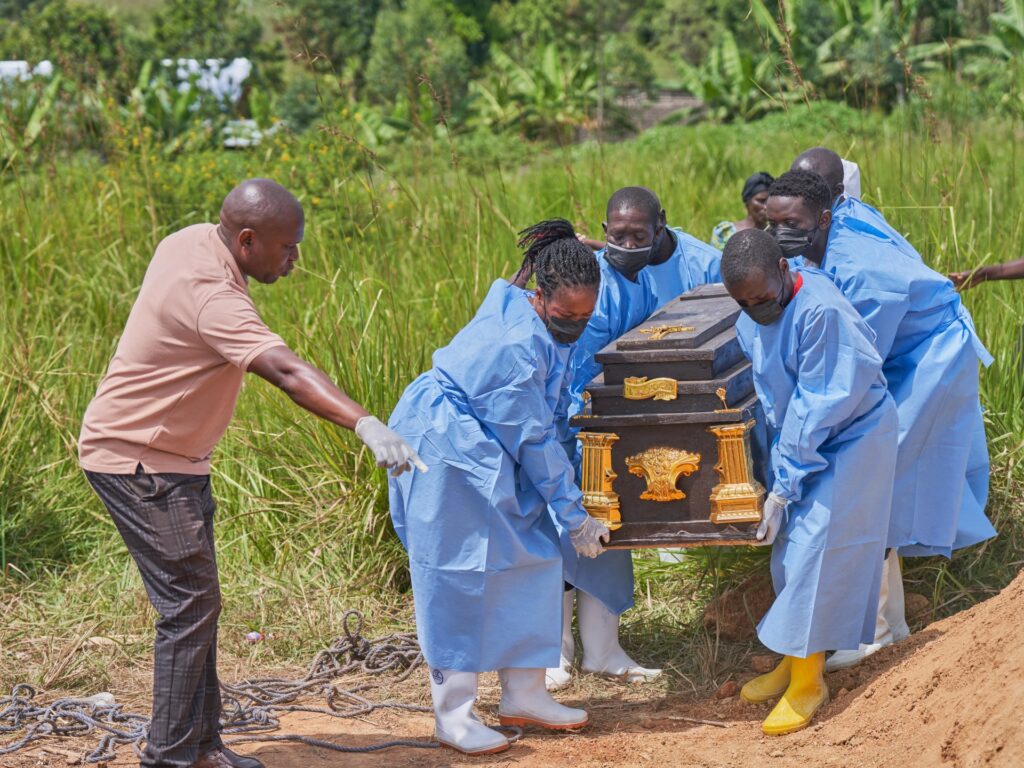
The Democratic Republic of Congo (DRC) is currently facing a significant Ebola outbreak caused by the rare Bundibugyo virus strain. The latest updates reveal a record increase in confirmed cases, with the toll rising to a total of 782 confirmed infections. Tragically, this surge has resulted in 181 deaths, marking a severe impact on the affected communities and the healthcare system.
The Bundibugyo virus is one of the lesser-known strains of the Ebola virus family, which has historically been overshadowed by more common strains such as Zaire and Sudan. However, its appearance in the DRC has brought new challenges to health officials in containing the disease.
Ebola is a severe hemorrhagic fever that spreads through direct contact with the bodily fluids of infected individuals. Symptoms typically include fever, severe headache, muscle pain, weakness, fatigue, diarrhea, vomiting, abdominal pain, and unexplained bleeding or bruising. The mortality rate can be extremely high without timely medical intervention.
The current outbreak in the DRC has drawn international attention due to its rapid expansion and the difficulties faced in controlling its spread. Contributing factors include the dense population centers, limited access to medical facilities, and ongoing conflict that hampers the deployment of healthcare workers.
The World Health Organization (WHO) and other global health bodies have mobilized resources to support the DRC government’s response efforts. These include sending medical supplies, personnel, and expertise to affected areas. Vaccination campaigns are also being implemented to curb new infections, although the rare Bundibugyo strain poses challenges due to less-known vaccine efficacy compared to other Ebola strains.
Local health officials continue to conduct contact tracing and provide treatment to infected patients, while also educating communities about preventive measures such as hand hygiene, avoiding contact with sick individuals, and safe burial practices.
Despite these efforts, the increase in confirmed cases and deaths underscores the urgent need for enhanced surveillance, more effective treatments, and increased community engagement to stop the outbreak.
The international community remains vigilant as health agencies strive to bring the outbreak under control, prevent new infections, and ultimately save lives. The situation in the DRC serves as a stark reminder of the persistent threat posed by Ebola and the critical importance of global cooperation in managing infectious disease emergencies.