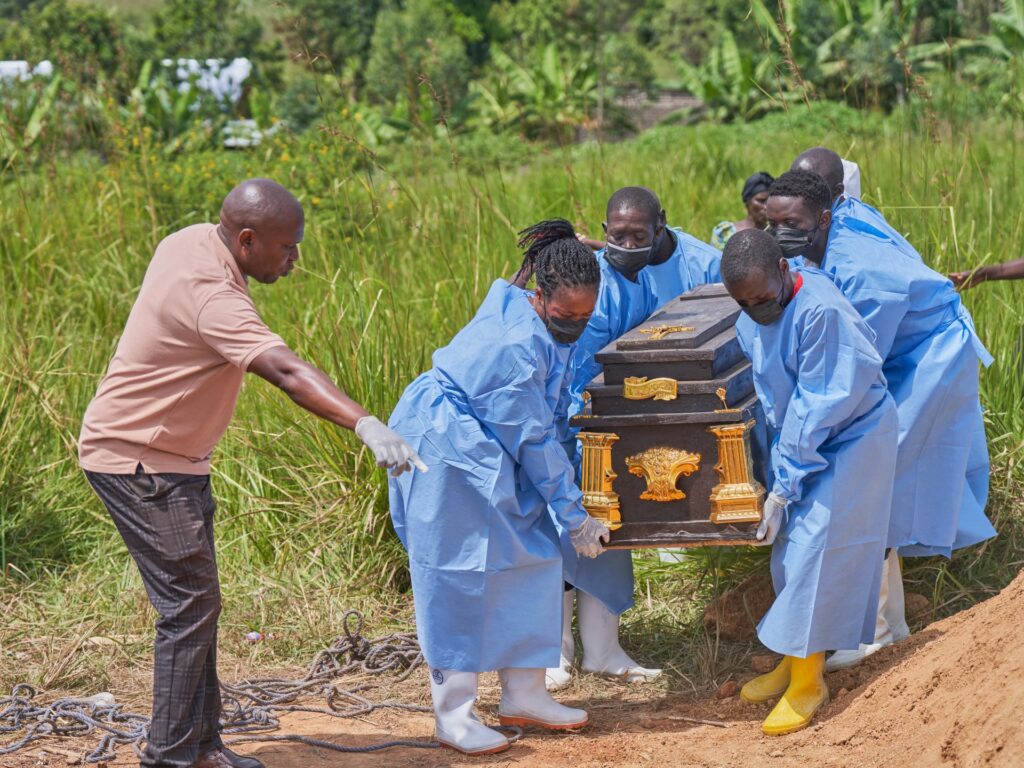
The Democratic Republic of Congo (DRC) is currently grappling with a significant Ebola outbreak caused by the rare Bundibugyo virus strain. The situation has escalated rapidly, with the total number of confirmed Ebola cases now reaching 782. Among these cases, the death toll has surged to 181, marking a record jump and heightened concerns among health authorities and local populations.
This outbreak is notable not only for its deadly impact but also because it involves the Bundibugyo strain, which is less commonly seen in Ebola outbreaks compared to other strains such as Zaire or Sudan. The Bundibugyo virus was first identified during an outbreak in Uganda in 2007 and tends to have a slightly different epidemiological and clinical profile.
Health officials in the DRC and international agencies such as the World Health Organization (WHO) have been working tirelessly to contain the spread of the virus. Efforts include deploying rapid response teams, increasing testing and surveillance, and establishing treatment centers dedicated to managing Ebola cases.
The DRC faces numerous challenges that complicate outbreak control, including remote and hard-to-reach communities, ongoing conflict in some regions, and limited healthcare infrastructure. These factors contribute to delays in identifying and isolating cases, which in turn fuels transmission.
Community engagement and education remain crucial in preventing further infections. Authorities are emphasizing the importance of early reporting of symptoms, safe burial practices, and avoiding contact with body fluids of infected individuals, which is a primary mode of Ebola transmission.
The impact of this outbreak extends beyond immediate health concerns. It disrupts local economies, strains health services, and affects the social fabric of affected communities. The psychological toll on survivors and families of victims is profound, with many requiring ongoing support.
International support has been mobilized, with numerous nonprofit organizations, donor governments, and health experts collaborating to provide resources and technical expertise. Vaccination campaigns using Ebola vaccines are underway in some affected areas, aiming to curb the spread and protect high-risk populations.
Despite these efforts, the situation remains precarious. The high number of cases and deaths underscores the need for sustained vigilance, resource allocation, and comprehensive public health strategies. Preventing future outbreaks also involves strengthening the health system, improving disease surveillance, and enhancing community trust.
In summary, the DRC’s ongoing Ebola outbreak caused by the Bundibugyo strain is a public health emergency with a record jump in cases and deaths. While significant challenges hinder containment, continued international cooperation and community participation are vital to overcoming this crisis and protecting vulnerable populations from further harm.