Britain’s Court of Appeal has upheld the government’s decision to proscribe the activist group Palestine Action, labeling it as a terrorist organization. This ruling marks a significant development in the ongoing tensions between national security concerns and the right to protest.
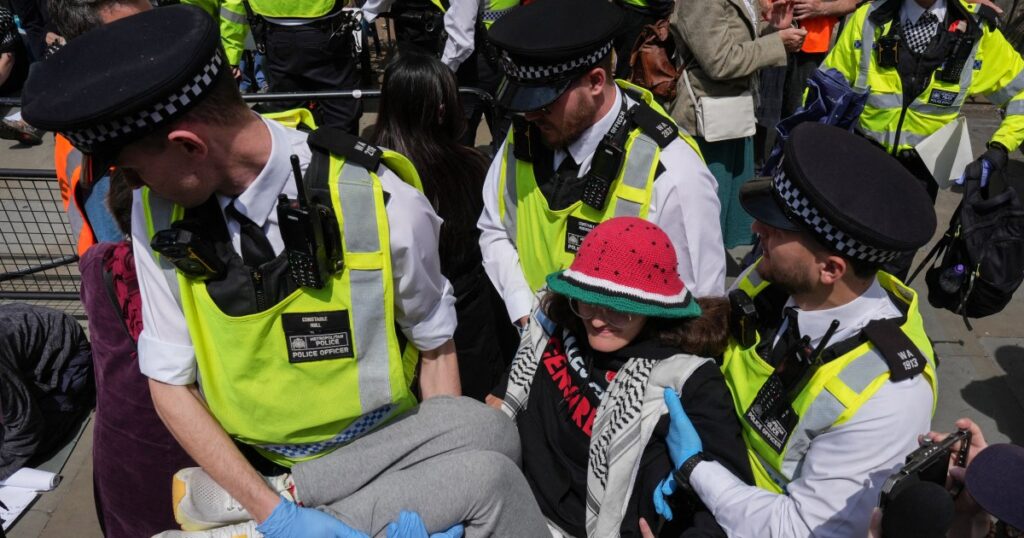
Palestine Action, an activist group known for its direct actions against companies involved in the Israeli occupation of Palestinian territories, has faced increasing scrutiny from UK authorities. Their protests often include obstructive tactics targeting businesses with alleged links to the arms trade or Israeli military activities.
The UK government argued that Palestine Action’s activities and methods go beyond peaceful protest, alleging that their actions pose a threat to public safety and national security. By proscribing the group under anti-terrorism legislation, the government effectively criminalizes membership, support, and promotion of the organization.
Critics of the ban argue that labeling Palestine Action as a terrorist group is an overreach that stifles legitimate political dissent and protest rights. They contend that the group’s tactics, while disruptive, do not equate to terrorism, which generally involves violence against civilians to instill fear.
The Court of Appeal’s decision to uphold the ban means that Palestine Action members now face legal consequences under terrorism laws, potentially including severe penalties.
This ruling may set a precedent for how activist groups are treated in the UK, particularly those involved in contentious international issues such as the Israeli-Palestinian conflict. The government may feel emboldened to take stronger actions against other similar groups deemed extremist or threatening.
Supporters of the ban emphasize the need to prevent activist violence and protect public safety. They argue that clear legal distinctions are necessary to curb unlawful conduct disguised as protest.
Opponents warn that this approach could undermine civil liberties and suppress free speech. They fear that the broad scope of anti-terror laws might be misapplied to silence dissent on politically sensitive topics.
Moving forward, activists sympathetic to Palestine Action will likely seek alternative methods of advocacy to avoid legal repercussions. The court’s decision may also prompt reviews of the legal frameworks governing protest and security in the UK.
Law enforcement agencies may increase surveillance and enforcement against groups linked to Palestine Action or similar organizations. Meanwhile, policymakers will face the challenge of balancing security concerns with protecting democratic freedoms.
The Court of Appeal’s ruling underscores ongoing debates about how states define terrorism, regulate activism, and manage national security threats. It raises fundamental questions about the limits of protest and the role of the judiciary in reviewing executive decisions.
As the situation evolves, all eyes will be on how the UK government implements this ruling and its impact on activism related to the Israeli-Palestinian conflict and beyond. The decision represents a crucial moment in the broader discussion about security, justice, and human rights in the UK.