The Democratic Republic of Congo (DRC) is currently grappling with a severe Ebola outbreak caused by the rare Bundibugyo virus strain. This outbreak has witnessed a record daily increase in confirmed cases, pushing the total number of cases to 782. Alongside this surge in infections, the death toll has also escalated to 178, highlighting the critical nature of the situation.
The Bundibugyo strain of the Ebola virus is known for its high fatality rates and rapid transmission, making it a particularly dangerous variant. The DRC has faced multiple Ebola outbreaks in recent years, but this latest wave has proven especially challenging for health authorities and response teams.
Health officials have deployed extensive measures to control the spread of the virus, including contact tracing, community sensitization, and vaccination campaigns. Despite these efforts, the recent record increase signals ongoing transmission and the need for heightened vigilance.
The impact on affected communities is profound, with hospitals overwhelmed by the influx of patients and resources stretched thin. The high number of fatalities underscores the urgency of accelerating interventions and providing adequate healthcare support.
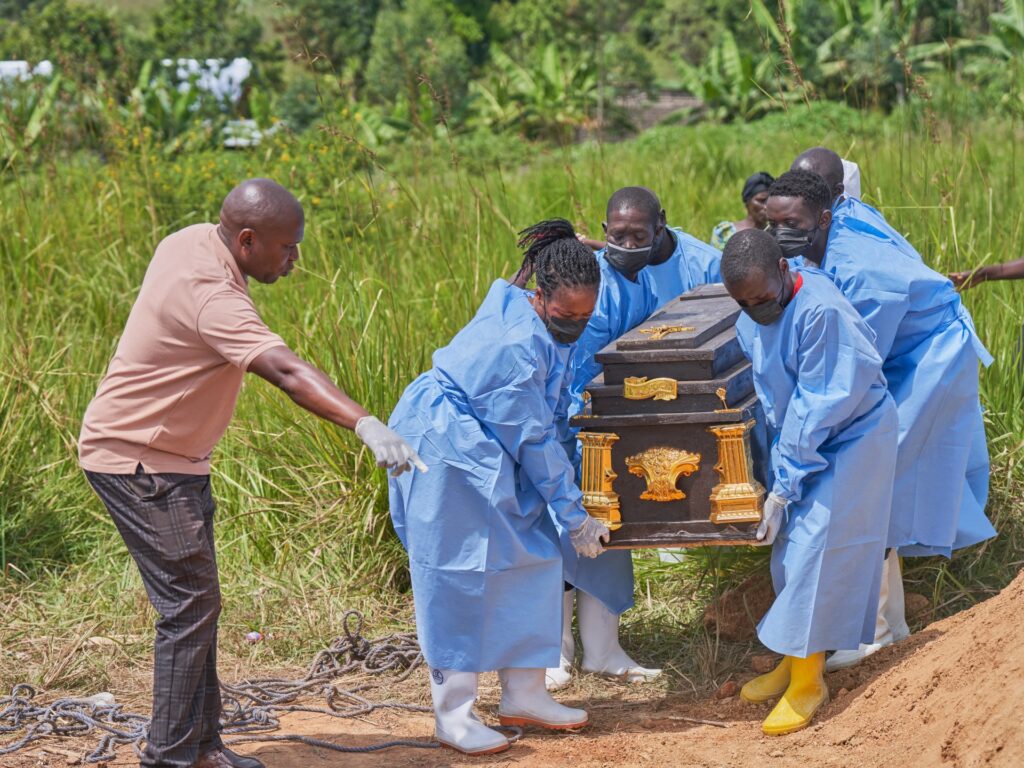
International organizations, including the World Health Organization (WHO), are working closely with local health agencies to bolster response capacity. Efforts focus on improving case detection, ensuring safe burials, and reinforcing infection prevention and control protocols.
The socio-economic consequences of the outbreak are also significant, disrupting livelihoods and instilling widespread fear among the population. Misinformation and stigma remain barriers to effective outbreak management, necessitating targeted communication strategies.
As the outbreak evolves, continuous monitoring and flexible response plans are essential to curb new infections and reduce mortality. Strengthening community engagement and fostering collaboration among stakeholders will be critical components in overcoming this health crisis.
In summary, the DRC’s Ebola outbreak driven by the Bundibugyo strain represents a severe public health emergency with 782 confirmed cases and 178 deaths. Coordinated efforts at the local, national, and international levels are imperative to halt the virus’s spread and provide relief to affected populations.