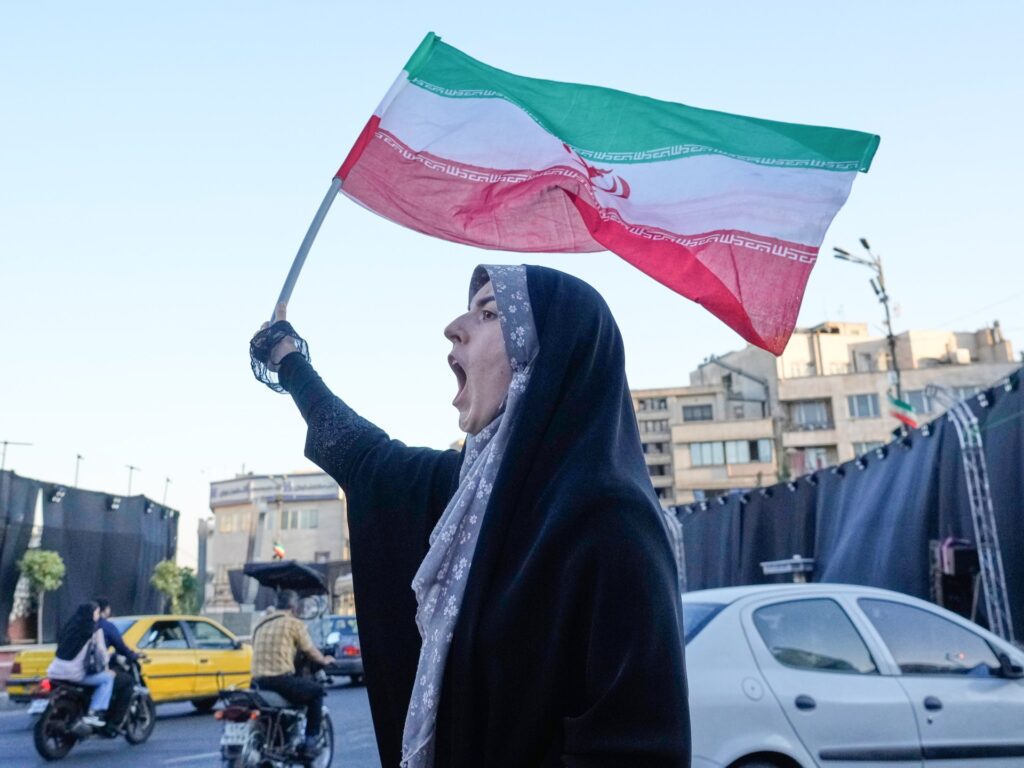
In a significant development in international relations, Tehran has announced that a recently reached peace deal with the United States effectively ends the blockade and cessation of war on all fronts. This announcement marks a crucial turning point in the longstanding tensions between the two nations.
Following years of hostilities and economic sanctions that severely impacted Iran’s economy and diplomatic standing, the new agreement is hailed as a major step towards regional stability and global peace. The deal reportedly includes measures to lift economic blockades, resume diplomatic engagements, and establish protocols for mutual cooperation in various sectors.
World leaders and international organizations have broadly welcomed the US-Iran peace agreement. The deal is expected to facilitate smoother diplomatic dialogues and bring relief to millions affected by the conflict and sanctions.
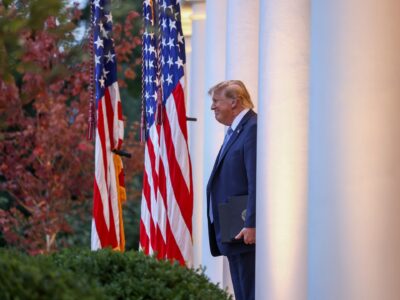
In a public statement, former US President Donald Trump commented on the agreement, announcing the reopening of the strategic Strait of Hormuz commencing Friday, coinciding with the official signing of the deal. The Strait of Hormuz, a critical chokepoint for global oil transportation, had been a flashpoint in US-Iran relations, and its reopening is seen as a significant gesture to normalize trade and maritime activities.
The peace deal reportedly involved extensive negotiations, with compromises made by both sides to de-escalate previous military confrontations and economic pressures. Tehran emphasized that the agreement eliminates all previous grounds of war, ensuring peace on all military and economic fronts.
Political analysts suggest that this peace deal could reshape power dynamics in the Middle East, paving the way for new alliances and economic partnerships. Furthermore, the lifting of sanctions and resumption of trade might stimulate economic growth in Iran and contribute to global market stability.
Despite the positive reception, some skepticism remains among certain factions and observers, who await the concrete implementation of the deal’s provisions. Concerns about enforcement, verification, and potential future disagreements linger, with calls for transparency and continuous international oversight.
The reopening of the Strait of Hormuz is particularly notable for the international shipping community, as it reduces the risk of maritime conflict and facilitates smoother transit of goods between the Persian Gulf and global markets.
Overall, the US-Iran agreement represents a hopeful chapter in the complex narrative of Middle Eastern geopolitics. The move towards peace and cooperation could herald new opportunities for economic development, security, and cultural exchange between the two nations and the broader international community.
As the global community observes this historic moment, attention will focus on the full execution of the peace deal’s terms and its impact on global diplomacy and regional stability in the coming months.