The announcement of a memorandum to be signed between the United States and Iran has sparked a wave of reactions across the political spectrum, highlighting the complexities and divisions surrounding the ongoing negotiations. While the US and Iran have confirmed that a memorandum will be signed on Friday, the specific terms of the agreement remain undisclosed, leaving many eager for clarity.
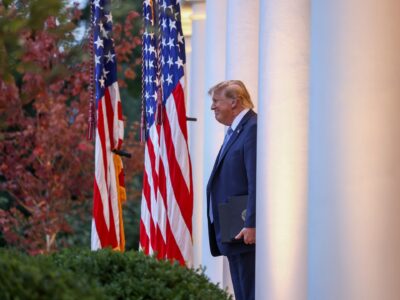
Supporters of former President Donald Trump, known as Trump allies, have hailed the development as a positive step. They view the agreement as a potential win that might align with America’s strategic interests and possibly reflect elements of past administration policies that focused on a tough stance towards Iran. Their enthusiasm stems from a belief that the memorandum may curb Iran’s nuclear ambitions while preserving US influence in the Middle East.
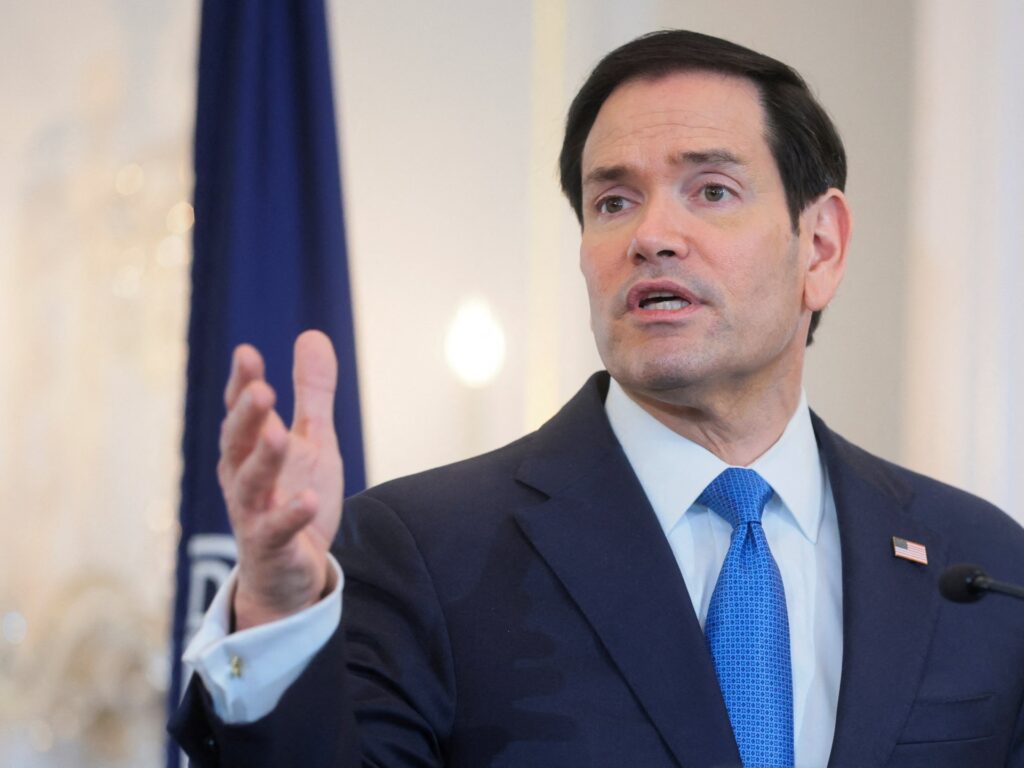
On the other side, Democratic lawmakers and officials are calling for more transparency and details about the deal. Their concerns center on the necessity of fully understanding the memorandum’s terms to assess its impact on US national security, regional stability, and international relations. Democrats emphasize that any agreement with Iran should be carefully scrutinized to ensure it prevents nuclear proliferation and addresses broader issues such as human rights and regional conflicts.
The memorandum reportedly will outline broad frameworks for cooperation or limitations, but without official release of terms, speculation remains rampant. Analysts suggest that the document could pave the way for re-engagement on issues like the Joint Comprehensive Plan of Action (JCPOA), sanctions relief, and Iran’s missile program, but exact commitments are yet to be confirmed.
This development comes amid heightened tensions in the Middle East, making the US-Iran relationship ever more critical. Past agreements have faced setbacks and challenges, and observers are keen to see whether this memorandum marks a genuine shift towards diplomacy or merely a symbolic gesture.
Stakeholders from various sectors, including foreign policy experts, economic analysts, and diplomats, emphasize the importance of a clear and comprehensive agreement. They warn of potential risks if the memorandum lacks enforceable provisions or if it alienates allies who have voiced skepticism about Iran’s intentions.
President Joe Biden’s administration is reportedly working to balance pressure from hardliners with diplomatic efforts to prevent escalation. The outcome of the memorandum and subsequent negotiations will likely influence US policy in the Middle East for years to come.
In the coming days, the world will watch closely as the memorandum’s text becomes available and as the US and Iran prepare to navigate the complex landscape of international diplomacy. The hope is for a breakthrough that promotes peace and stability, but caution remains a guiding principle amid uncertainty.