In a significant strategic development, Israel has expanded its military control by approximately 1,000 square kilometers across three critical fronts: Gaza, Lebanon, and Syria. This expansion reflects a notable increase in Israel’s territorial influence amidst ongoing regional tensions.
According to an investigative report by Al Jazeera, this territorial expansion appears to be part of a calculated military strategy. The expansion involves aggressive maneuvers and land grabs that some analysts believe are aimed at masking strategic setbacks experienced by Israeli forces in certain operations.
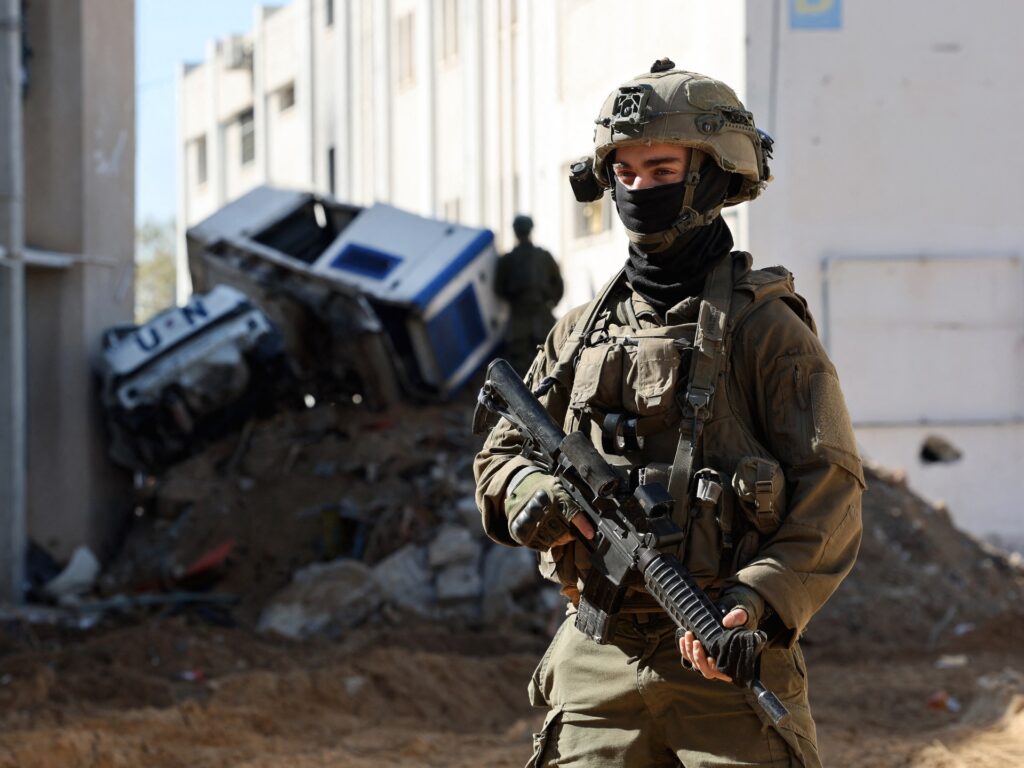
In Gaza, Israel has extended its control over additional areas beyond its previous military boundaries. The move aligns with ongoing security operations targeting militant groups within the region. The expansion has led to increased military presence and infrastructure development in these newly controlled zones.
Simultaneously, in southern Lebanon, Israeli forces have taken control of new zones along the volatile border. This region has long been a flashpoint, with Hezbollah militia activities prompting aggressive responses from Israel. The expanded control is seen as an attempt to establish a more secure buffer zone to prevent cross-border attacks.
In Syria, Israel has heightened military control in regions close to its northern border. This includes parts of the Golan Heights and adjacent Syrian territories, which have strategic significance in terms of surveillance and cross-border security operations. The move is perceived as a preventative strategy against the presence of hostile forces and Iranian-backed militias in Syria.
These land acquisitions are viewed by defense analysts as a tactical response to mitigate vulnerabilities and reinforce Israel’s security posture across multiple fronts. However, the expansion has also raised international concerns regarding the escalation of conflict and its impact on regional stability.
Critics argue that the territorial gains may exacerbate tensions and potentially derail diplomatic efforts aimed at peace and conflict resolution in the region. Human rights organizations have expressed apprehension about the humanitarian implications for civilians residing within these expanded control zones.
The Israeli government has not officially confirmed the full extent of the territorial changes but has emphasized its right to secure its borders and protect its citizens from external threats. Military officials highlight that these measures are necessary steps in a complex security landscape marked by heightened threats.
This development adds another layer to the intricate geopolitical dynamics in the Middle East. It underscores Israel’s ongoing commitment to assert control over strategically vital areas while navigating a challenging environment of hostile actors and persistent conflict.
Observers note that maintaining this expanded military control will require sustained resources and could lead to prolonged engagements in these regions. The situation remains fluid, with potential implications for regional alliances and international diplomatic relations.
As the situation evolves, the international community continues to monitor developments closely, urging restraint and dialogue to prevent further escalation. The expansion of Israeli military control marks a critical juncture that will likely influence the trajectory of regional security for months and years to come.