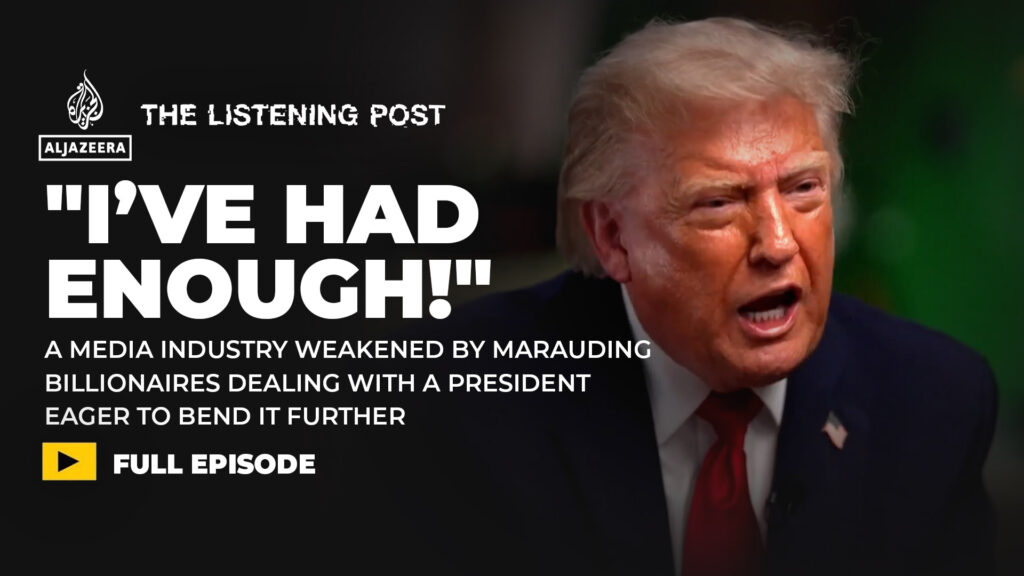
In recent years, the landscape of the media industry has undergone a profound transformation marked by the rise of billionaire ownership and an increasingly politicized environment. This shift has created a dual challenge: a media weakened by the concentration of wealth and an assertive US president keen on further influencing this powerful sector.
Billionaires acquiring major media outlets have significantly altered the editorial direction and operational priorities of these organizations. Often driven by personal ideological beliefs and profit motives, their control has resulted in a diminished diversity of perspectives and a stronger focus on sensationalism over substantive journalism.
This concentration of media ownership undermines democratic discourse by limiting the plurality of voices and creating echo chambers that serve specific interests rather than the public good. Such environments foster misinformation and polarize the public, weakening trust in traditional news sources.
Meanwhile, the US president has demonstrated a consistent willingness to exploit this weakened media ecosystem. By exercising pressure on news outlets, attempting to delegitimize unfavorable reporting, and promoting alternative narratives, the administration further destabilizes the information landscape.
The president’s strategy involves leveraging the allied media owned by billionaires to amplify favorable messaging, marginalize dissent, and frame public debates on terms advantageous to the administration. This manipulation complicates the media’s role as a watchdog and challenges the principles of transparency and accountability central to democratic governance.
Experts warn that this symbiotic relationship between billionaire media owners and political power risks creating an environment where news is shaped less by journalistic integrity and more by vested interests. The result is a media environment struggling to fulfill its critical function of informing the electorate and holding power to account.
To counter these trends, advocates suggest increased regulatory scrutiny of media ownership and bolstered support for independent journalism. Encouraging media literacy among the public is also crucial to help consumers navigate the growing complexity and biases within news content.
In summary, the media industry’s current state reflects broader tensions between concentrated economic power and democratic accountability. The intersection of billionaire influence and presidential ambitions poses a formidable challenge to the media’s independence and its ability to serve as a foundation for informed public discourse.
As this dynamic continues to evolve, the implications for democracy are profound. The media, long considered the fourth estate, must find ways to resist these pressures and reclaim its role as a fair and autonomous institution vital to the health of democratic society.