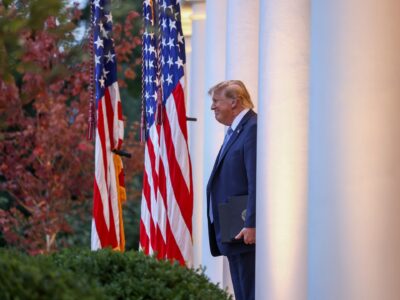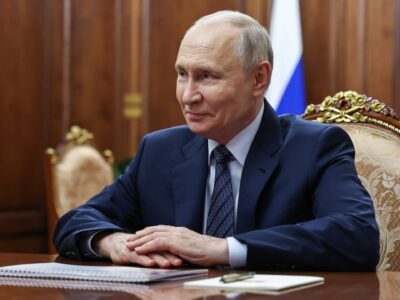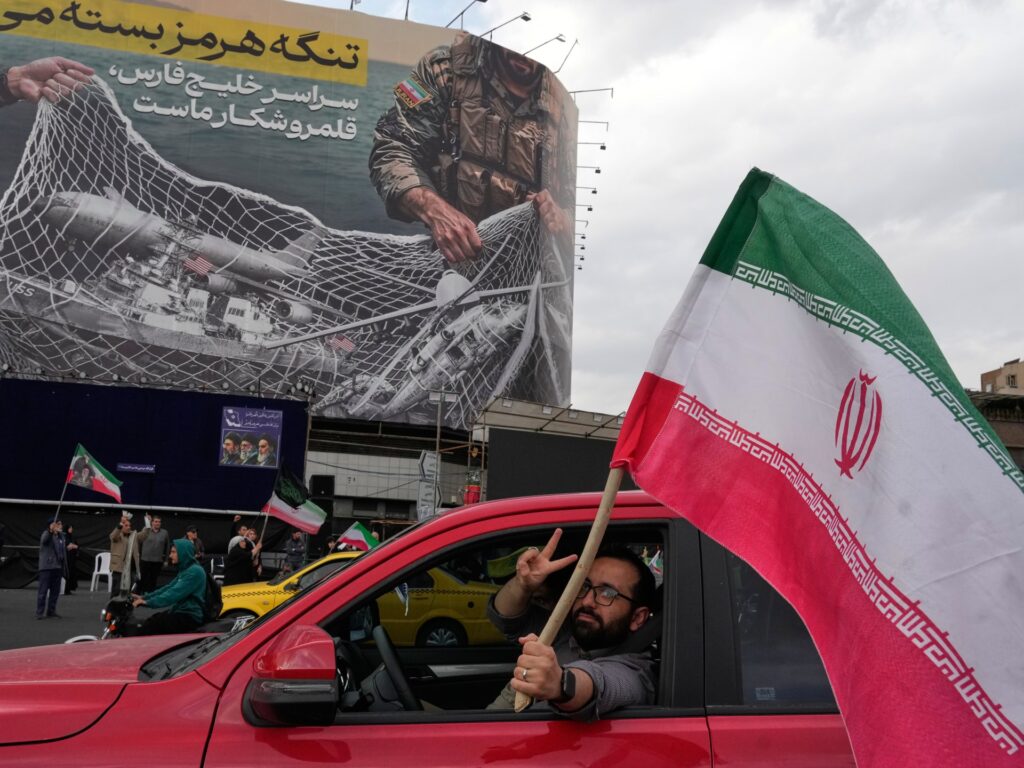
Tensions and diplomatic negotiations between the United States and Iran have reached a critical juncture as reports emerge suggesting a potential deal to halt hostilities could be signed as early as this coming Sunday. The US administration has expressed optimism about the prospect of reaching a deal, aiming to put an end to ongoing conflicts through diplomatic means. This anticipated agreement is seen as a significant step toward stabilizing the volatile relationship between the two nations and possibly easing regional tensions. However, Iran’s response to the US declaration has been cautious and disputing the timeline. Tehran officials have conveyed a markedly different stance, emphasizing that the proposed signing schedule does not align with their internal negotiation processes or readiness. The divergence in these timelines highlights the complexities and challenges inherent in diplomatic negotiations between the two countries. The reported deal, if signed, would likely focus on measures to de-escalate conflicts and establish mechanisms to ensure mutual compliance with the terms agreed upon. Observers note that the negotiation process involves multifaceted issues including nuclear policy, economic sanctions, and regional security concerns. The US administration’s optimism is fueled by recent diplomatic engagements and back-channel talks that have reportedly yielded some consensus on key points. Conversely, Tehran remains measured in its public communications, perhaps signaling internal deliberations or a strategy to garner more concessions. Analysts suggest that while an agreement could indeed be signed soon, the emphasis should be on achieving a sustainable framework rather than rushing to meet a particular date. The implications of a US-Iran deal extend beyond their bilateral relations, potentially impacting global markets, geopolitical alliances, and international security. Stakeholders worldwide are closely monitoring the developments, as the outcome will influence regional stability in the Middle East and the approach toward Iran’s nuclear ambitions. As Sunday approaches, all eyes will remain on the diplomatic channels to see whether this tentative agreement materializes or if further negotiations will be required. The situation underscores the delicate balance of international diplomacy, where timing, trust, and commitment must align to bring about peaceful resolutions. For now, both the US and Iran are engaged in a complex dance of diplomacy, weighing their national interests, regional security, and global perceptions before committing to a deal that could reshape their future interactions.