A significant legal decision is pending in the UK as the Court of Appeal prepares to rule on whether the government’s designation of the activist group Palestine Action as a “terrorist organization” was lawful or not. This case has drawn widespread attention due to its implications on activist groups, government authority, and definitions of terrorism.
Palestine Action is known for its direct action campaigns, primarily aimed at companies involved in activities that the group believes contribute to the occupation of Palestinian territories. The group has engaged in protests, occupations, and sabotage aimed at arms manufacturers and suppliers whose products they argue are used in human rights abuses.
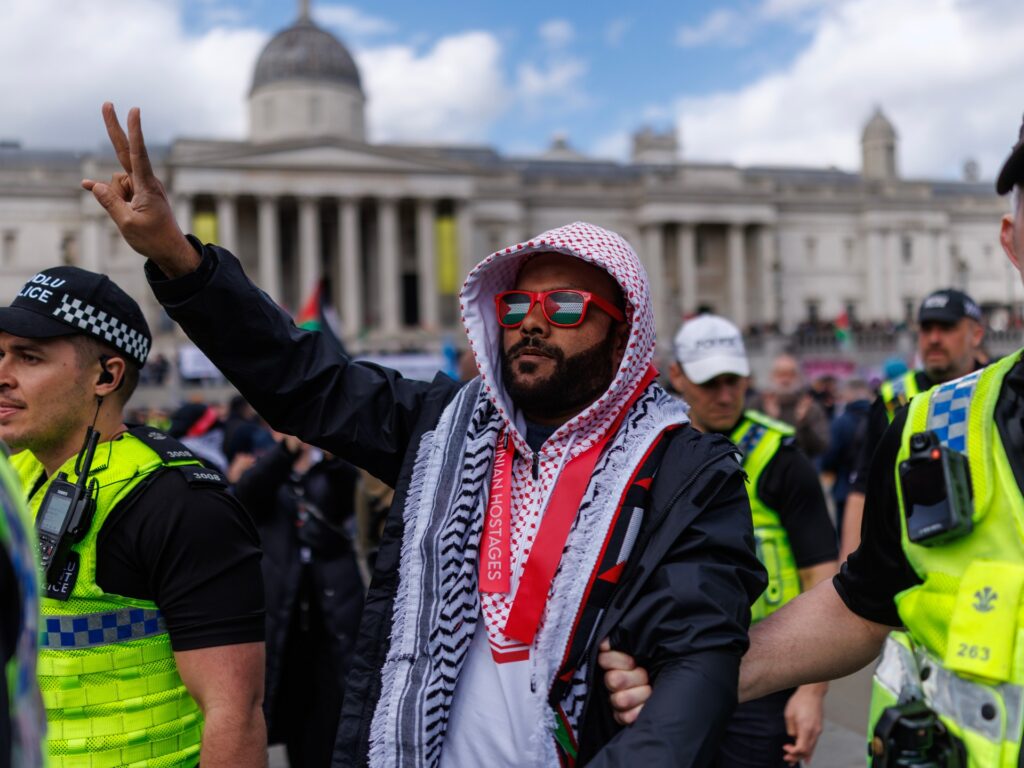
The UK government proscribed Palestine Action under terrorism legislation, labeling its activities as constituting terrorism. This move sparked controversy and outcry from civil liberties advocates, supporters of the group, and various human rights organizations. Critics argue that this proscription infringes on the right to protest and is an overreach of governmental powers aimed at stifling dissent.
The Court of Appeal’s ruling will determine if the government’s designation was lawful or if it unjustly suppressed legitimate activism by branding it as terrorism. The case centers on the interpretation of legal definitions surrounding terrorism and whether acts associated with Palestine Action fit within these boundaries.
Supporters of Palestine Action maintain that their activities are nonviolent and politically motivated protests aimed at justice and accountability. They argue that labeling them as terrorists unjustly criminalizes activism and undermines democratic freedoms.
Government representatives contend that the actions of Palestine Action go beyond peaceful protest and involve damaging property and endangering security, thus fitting the criteria under terrorism laws.
The outcome of this court ruling will not only impact Palestine Action but could set a precedent affecting other activist groups in the UK and how anti-terrorism laws are applied in contexts of political protest.
Legal experts highlight the delicate balance the court must strike between protecting national security and preserving freedom of expression and assembly. The case underscores the ongoing tension between state security interests and civil rights.
As the court deliberates, numerous human rights organizations and legal watchdogs are closely monitoring the proceedings. The decision is expected to clarify the scope and limits of proscription powers under the UK’s terrorism legislation.
The ruling could influence government policies on protest management, national security measures, and the legal boundaries for activism. If the proscription is upheld, it may lead to more stringent actions against activist groups. Conversely, if deemed unlawful, it may empower activists and civil society groups to challenge similar government decisions.
This high-profile case exemplifies the broader global debate about defining terrorism, state authority, and the rights of citizens to engage in dissent, especially concerning contentious international issues.
The Court of Appeal’s judgment is highly anticipated for its potential ramifications on legal, political, and social fronts in the UK and beyond.