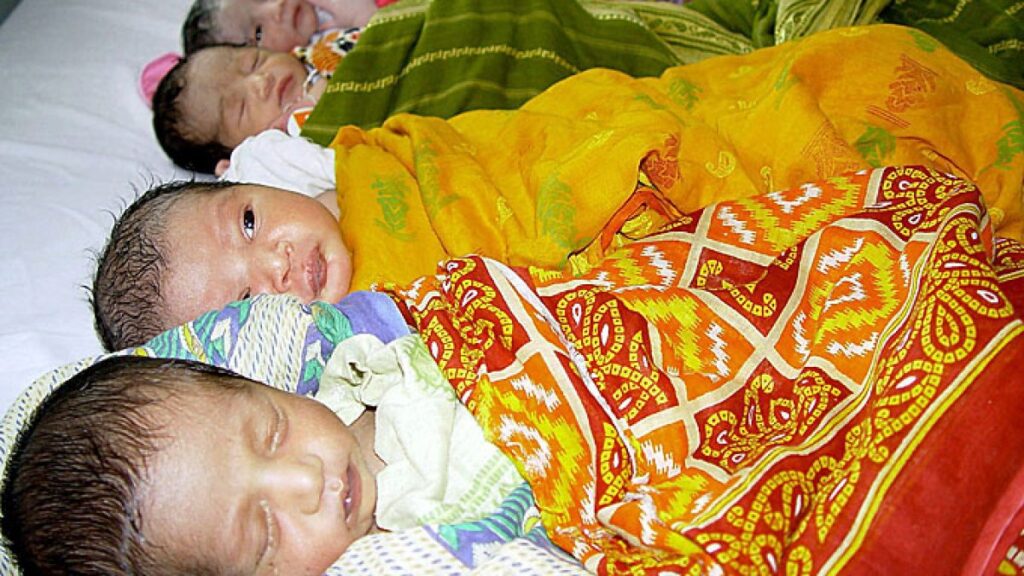
India’s demographic landscape is witnessing a significant shift as the Total Fertility Rate (TFR) falls to 1.9 children per woman, dipping below the replacement level of 2.1. This change marks a pivotal moment for the country and highlights evolving socio-economic and cultural dynamics.
Several intertwined factors are driving this decline in birth rates. Economic considerations remain paramount, with families increasingly citing the high cost of raising children as a deterrent to having larger families. Education expenses, healthcare, and the general cost of living have soared, making parents cautious about expanding their households.
The transformation in career aspirations, especially among women, also plays a crucial role. More Indian women are pursuing higher education and professional opportunities, leading to delayed marriages and childbearing. This shift reflects a broader societal acceptance of women’s empowerment and autonomy over reproductive choices.
Urbanization further influences fertility rates. As more Indians migrate to cities for work and better living standards, they adopt lifestyles that often favor smaller families. The challenges of urban living — from housing constraints to increased work pressure — contribute to this trend.
Additionally, government policies, family planning initiatives, and increased access to contraception have empowered couples to make informed decisions about family size. Health awareness campaigns emphasize the benefits of smaller families for economic stability and quality of life.
Cultural values are also evolving. While traditional preferences for larger families persist in some regions, there’s a growing appreciation for quality over quantity in childrearing. Families prefer investing more resources per child, focusing on education and well-being.
The decline in fertility rate poses both challenges and opportunities for India. On one hand, a lower TFR can help curb population pressure, improving resource allocation and economic growth potential. On the other, an aging population may emerge over time, raising concerns about support systems and workforce sustainability.
In summary, the drop in India’s TFR to 1.9 children per woman reflects a complex interplay of economic realities, career choices, urban living, and changing cultural attitudes. This demographic transition underscores the need for adaptive policies that address population health, economic development, and social support mechanisms to harness the benefits while mitigating potential drawbacks.