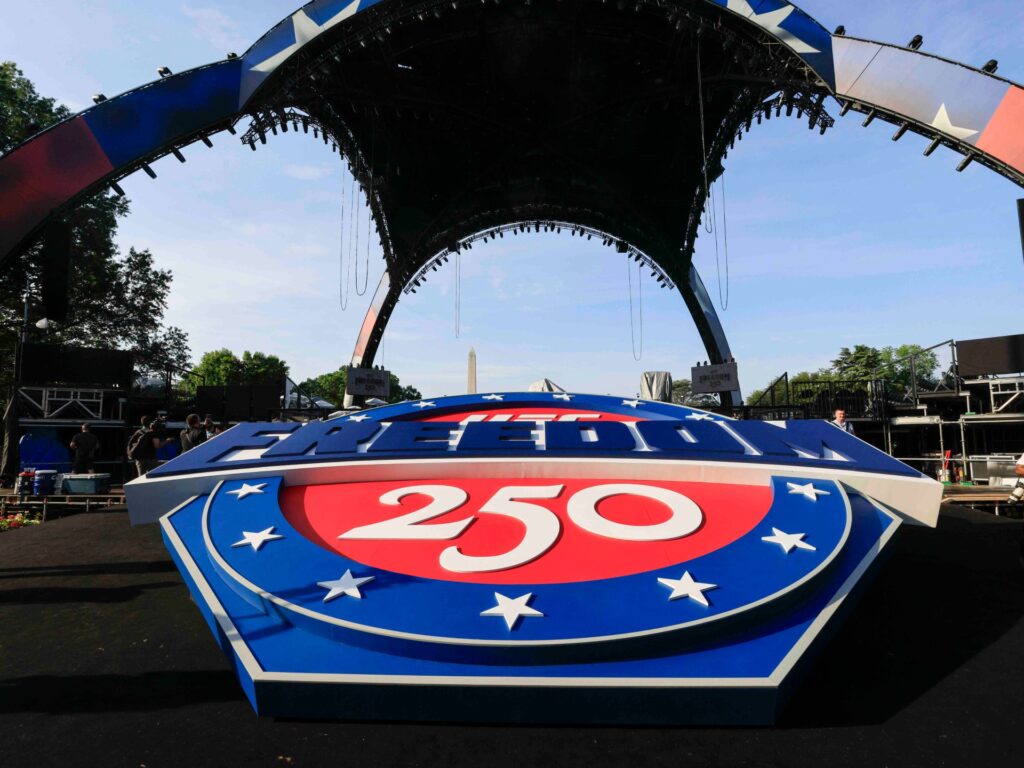
The United States is preparing to mark a significant milestone: its 250th anniversary, also known as the semiquincentennial. This landmark event offers a chance to reflect on the country’s rich history, achievements, and values. However, the celebrations have recently become a subject of public and political scrutiny, particularly concerning the involvement and influence of former President Donald Trump.
The two primary entities driving the commemoration are the America250 Foundation and the Freedom 250 initiative. Both organizations aim to unite Americans in honoring the nation’s founding and to promote a forward-looking narrative centered on liberty, innovation, and unity.
The America250 Foundation is the officially recognized body organized to coordinate nationwide events for the semiquincentennial. It seeks to engage citizens, communities, and institutions in meaningful activities, exhibitions, and educational programs. This initiative emphasizes a diverse and inclusive portrayal of American history, highlighting contributions from all peoples and regions.
On the other hand, Freedom 250 has emerged as a distinct movement that intends to amplify patriotic sentiments with a specific focus on traditional values and the founding principles of the republic. Some supporters of this initiative view it as a corrective to perceived deviations in national identity.
Controversy has arisen due to allegations that former President Trump and his political allies have exerted influence over the planning and messaging of the semiquincentennial celebrations. Critics argue that this could politicize an event that ideally should remain nonpartisan and representative of all Americans. Concerns include whether the Trump campaign is leveraging the anniversary for political gain ahead of upcoming elections.
This tension reflects broader national debates about history, memory, and identity, as the US navigates a complex landscape shaped by social change and political division. While many Americans look forward to reflecting on the country’s heritage with pride and unity, others warn of the risks in allowing political agendas to overshadow historical commemoration.
The semiquincentennial comes at a time when the nation is grappling with its past and its path forward. It presents an opportunity to foster dialogue about what it means to be American, the struggles that underpinned the founding, and how the ideals of freedom and democracy can be sustained and expanded in the 21st century.
Community events, educational initiatives, and cultural displays planned under both America250 and Freedom 250 will likely shape public perceptions of the country’s legacy. People from all corners of the nation have been encouraged to participate, emphasizing a collective celebration beyond political discord.
Ultimately, the success of the US semiquincentennial will depend on its ability to transcend partisan divisions and inspire a shared sense of pride and purpose among Americans. As the nation approaches this historic milestone, it is imperative that the celebrations honor the principles of liberty and inclusivity that have long defined the United States.