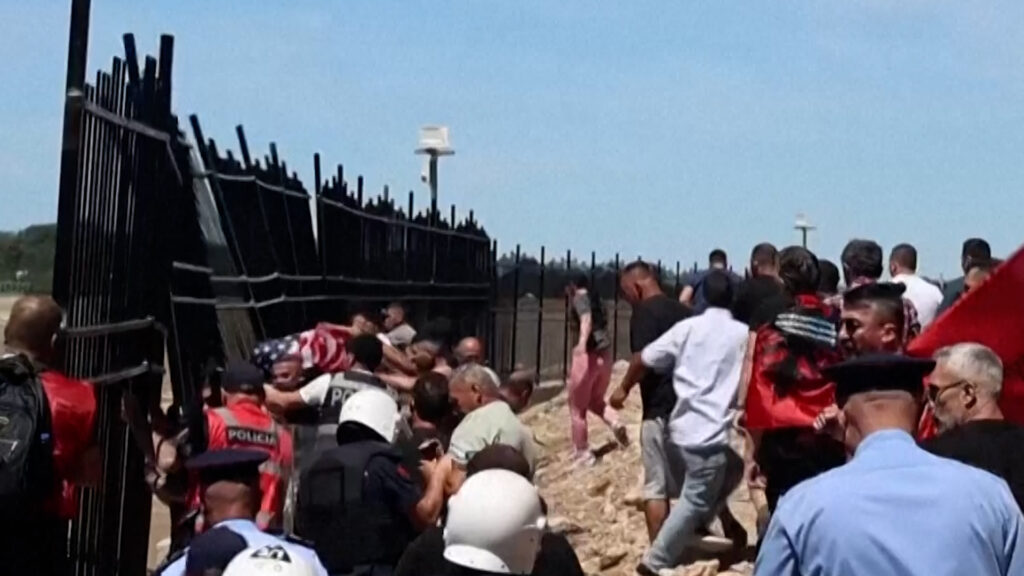
Protests have intensified in Albania against a controversial coastal development project backed by Jared Kushner, the former senior advisor to U.S. President Donald Trump. The project, which involves extensive construction along Albania’s pristine Adriatic coastline, has ignited widespread anger among local communities and environmental activists. Critics argue that the development threatens fragile ecosystems, disrupts traditional livelihoods, and paves the way for unchecked commercial exploitation of the coastline.
The initiative, reportedly involving significant investment from Kushner-linked entities, aims to transform large swathes of the Albanian coast into luxury resorts, marinas, and residential complexes. Supporters claim the developments will boost tourism, create jobs, and stimulate economic growth in one of Europe’s poorest countries. However, opponents contend the project is being pushed through without sufficient transparency or public consultation, raising fears of corruption and environmental degradation.
Demonstrators have taken to the streets in multiple cities across Albania, including the capital Tirana and coastal towns directly affected by the project. Protesters demand the government halt the development, enforce stronger environmental protections, and respect citizens’ rights to participate in decisions that impact their land and heritage.
Environmental groups highlight the potential damage to Albania’s biodiversity, including endangered species and sensitive marine habitats. Experts warn that coastal erosion, water pollution, and habitat destruction could be irreversible if the development proceeds unchecked.
The Albanian government has defended the project, emphasizing its strategic role in attracting foreign investment and modernizing the country’s infrastructure. Officials claim that environmental standards are being met and that the project follows legal procedures.
International observers are closely monitoring the situation, noting the tensions between economic development and environmental preservation in emerging markets. The protests underscore growing public demand in Albania for transparency, sustainable development, and accountable governance.
As tensions escalate, the government faces increasing pressure to engage in dialogue with protest leaders and reassess the project’s scope and impact. The outcome of these protests could have significant implications for Albania’s future coastal development policies and its reputation as a tourist destination.
This controversy also sheds light on the broader issues surrounding foreign investment in sensitive ecological zones and the need for balancing economic ambitions with environmental and social responsibilities.