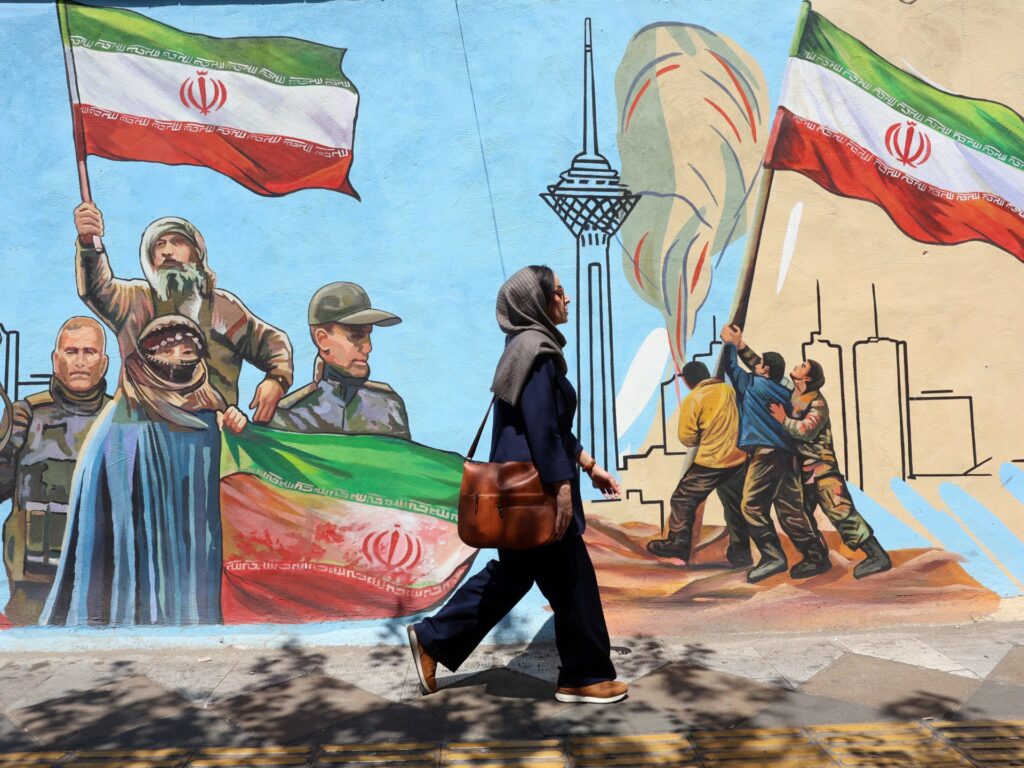
As diplomatic negotiations between Iran and the United States edge closer to a possible agreement, Tehran is reminded of the recent turbulent period marked by targeted assassinations and military strikes which have shaped its current stance.
Over the past year, Iran has experienced a series of high-profile assassinations and strikes allegedly linked to foreign actors, events that have heightened tensions in the region and complicated international relations. Despite these challenges, Iranian authorities assert that such aggressive acts have not weakened their resolve or deterred their national objectives.
The Iranian leadership emphasizes that the internal unity and resilience of the nation remain strong, viewing the violent incidents as attempts to disrupt their sovereignty and undermine their diplomatic efforts. These incidents have, in fact, reinforced Iran’s determination to pursue its political and strategic goals without succumbing to external pressures.
The upcoming deal with the US comes at a delicate time when Tehran is balancing the memory of recent conflicts with the potential benefits of easing sanctions and improving diplomatic relations. Officials in Tehran argue that long-term stability in the region can only be achieved through respectful dialogue and acknowledgment of sovereignty, rather than through intimidation or force.
Iranian commentators and analysts note that the recent violent episodes have cast a long shadow over the negotiation process, making it imperative that any agreement include robust guarantees for Iran’s security and recognition of its rights. This negotiation is therefore not merely about economic concessions but also about restoring a degree of mutual trust and respect.
The context of recent violence serves as a stark reminder for both parties involved that the costs of conflict are high and that diplomacy should be prioritized. The Iranian government remains vigilant but hopeful that the approaching deal could mark a new chapter in US-Iran relations, potentially paving the way for broader peace and cooperation in the Middle East.
In summary, as Iran and the US near a deal, Tehran’s reflection on the recent bloody conflict underscores the complexity of the relationship, highlighting the challenges and cautious optimism that characterize this pivotal moment in international diplomacy. This delicate balance between remembering past conflicts and aspiring for future peace defines the current geopolitical landscape.