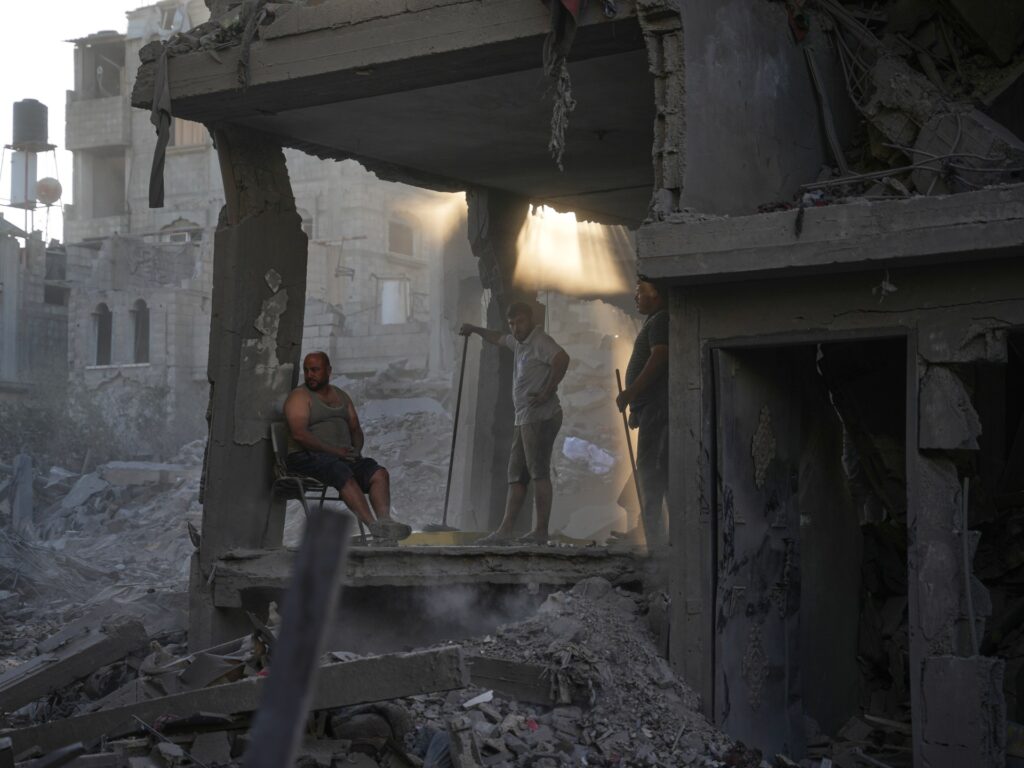
In the aftermath of a declared ceasefire, the Gaza Strip continues to suffer devastating losses as the death toll has surged to 983. This grim milestone highlights the ongoing vulnerability and instability in the region despite recent attempts at halting hostilities.
The latest violence unfolded in the central Gaza area, where an Israeli attack targeted the Bureij refugee camp, resulting in the death of one individual. This camp, home to tens of thousands of displaced Palestinians, has been a frequent site of conflict, underscoring the heightened risks faced by civilians living in densely populated and resource-scarce environments.
Alongside the lethal strike in Gaza, reports have emerged of an incident in the occupied West Bank where a Palestinian with disabilities was shot, exacerbating concerns over the treatment of vulnerable populations in the region. These attacks come amidst heightened tensions and serve as a reminder that the ceasefire has not fully halted violence.
The international community has expressed alarm at the scale of civilian casualties and the apparent fragility of ceasefire agreements. Humanitarian organizations continue to advocate for immediate and sustained ceasefire enforcement, urging all parties to prioritize the protection of civilian lives and address the urgent needs of affected communities.
The aftermath of the ceasefire reveals a complex reality where peace remains elusive. Gaza’s infrastructure, already crippled by years of blockade and conflict, struggles to support its population as medical facilities face overwhelming demand and shortages of vital supplies.
Analysts suggest that without robust diplomatic efforts and tangible measures to secure long-term peace, the cycle of violence is likely to persist, further entrenching the suffering of Palestinian civilians. The recent incidents—including attacks on refugee camps and vulnerable individuals—exemplify the critical challenges in achieving a durable ceasefire.
Efforts to rebuild and restore stability in Gaza must be matched with broader political initiatives addressing the root causes of conflict. Both the Israeli government and Palestinian factions face international pressure to engage in meaningful dialogue.
As the humanitarian situation deteriorates, neighboring countries and global powers are urged to increase their support for emergency relief operations and mediation efforts. The focus remains on safeguarding human rights and facilitating conditions conducive to peace.
In conclusion, the tragic increase in deaths post-ceasefire and the targeting of civilian sites such as Bureij refugee camp underscore the urgent need for renewed commitment to lasting peace in Gaza and the wider Israeli-Palestinian conflict area. The international community watches closely, hopeful that renewed diplomacy can prevent further loss of life and pave the way for a stable and peaceful future for the region.