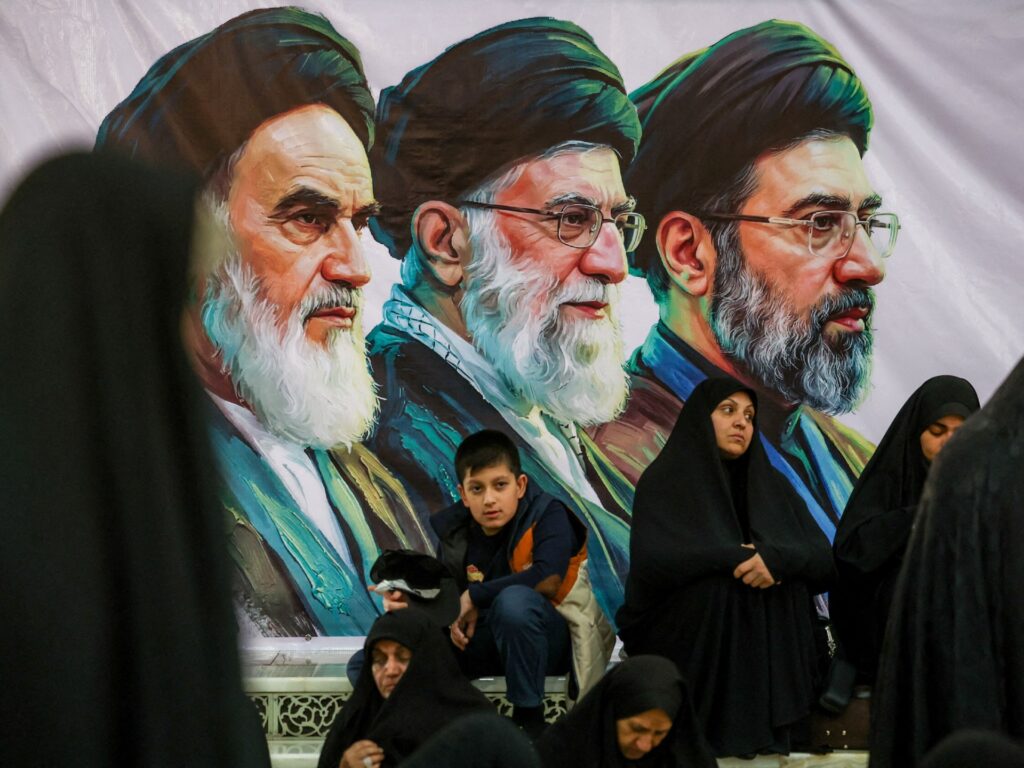
Iran has officially announced the dates for the funeral and burial ceremonies of the late Supreme Leader Ayatollah Ali Khamenei. The ceremonies will be held in multiple locations, reflecting the significant impact and reverence he held across the country.
The funeral ceremonies are scheduled to take place first in Tehran, the capital city of Iran. Tehran is the political and cultural hub of the nation, and it is customary for major national figures to be honored there. Following Tehran, the funeral rites will be conducted in Qom, a city known as a religious center in Iran, home to many seminaries and pivotal for Shiite clerics.
After these ceremonies, the final burial will occur in Mashhad, Khamenei’s hometown. Mashhad is Iran’s second-largest city and an important religious site known for the Imam Reza shrine. The burial in this city is symbolic, tying the late leader to his roots and the religious heart of Iran.
Ayatollah Khamenei’s death marks a momentous event for Iran, where he served as Supreme Leader for decades, influencing both domestic policies and international relations. His leadership was central to Iran’s political landscape since the 1980s, during which time he was both a spiritual and political figurehead.
The announcement of the funeral schedule and locations offers the Iranian public and followers worldwide an opportunity to pay their respects. It is expected that the ceremonies will draw large crowds and be attended by significant political, religious, and international dignitaries.
These planned ceremonies reaffirm the profound respect and recognition of Khamenei’s contributions to the country and emphasize his lasting legacy in shaping Iran’s path. The sequence of ceremonies in Tehran, Qom, and Mashhad exemplifies the intertwining of political power and religious authority in Iran.
Preparations for the events are reportedly underway, with security and public arrangements being prioritized to manage the expected influx of mourners and visitors. The Iranian government has yet to disclose specific details about the schedule beyond the cities and general timing.
In the face of this national mourning, Iran is bracing for a period of transition. The succession of leadership and the country’s future direction remain topics of significant discussion within Iran and among international observers.
This sequence of funeral and burial ceremonies not only honors the late Supreme Leader’s memory but also highlights the enduring influence he wielded during his time in power, shaping both the ideological and strategic course of the Islamic Republic of Iran.