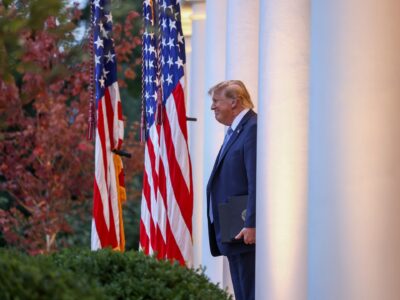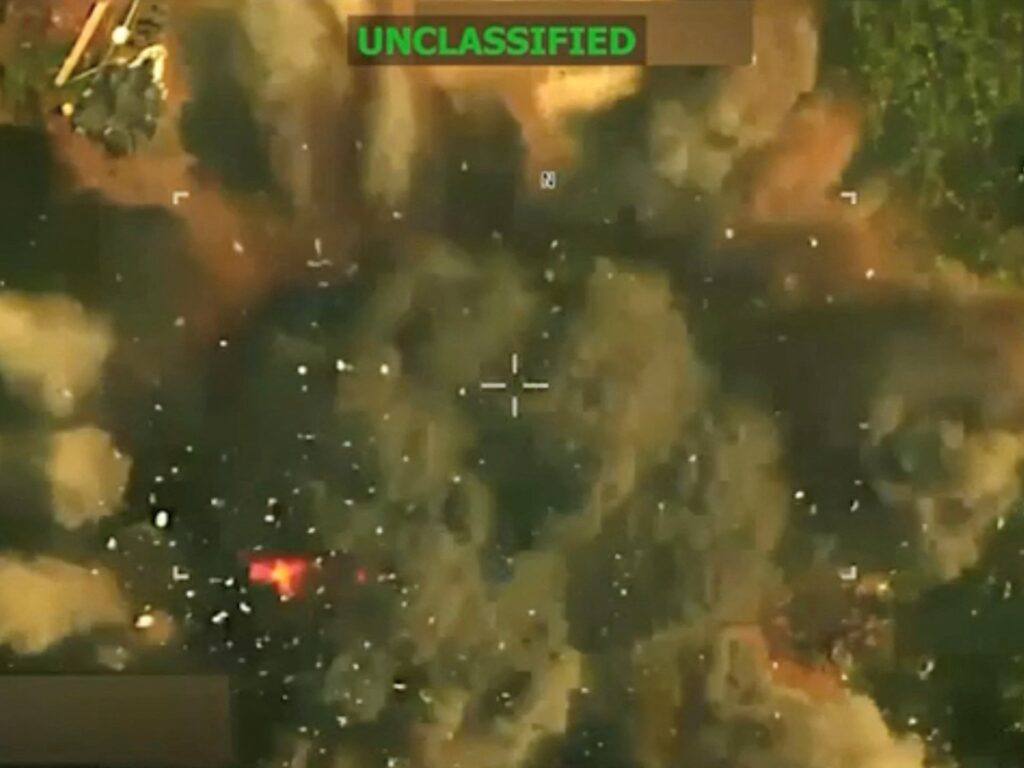
In a recent statement, former President Donald Trump announced that a U.S. military strike successfully killed the leader of the Tren de Aragua criminal gang, a notorious syndicate that has operated extensively across Venezuela and beyond. According to Trump, the operation was carried out with assistance from Venezuelan authorities, marking a rare instance of cooperation in efforts to combat organized crime.
The gang leader, identified as Flores, had maintained firm control over the Tren de Aragua for several years, orchestrating a range of illegal activities that impacted multiple countries in the region. Tren de Aragua is known for its involvement in drug trafficking, extortion, kidnapping, and other violent crimes, making it one of the most dangerous criminal organizations in Latin America.
Trump highlighted the significance of the strike as a critical blow to the gang’s operations, disrupting their leadership structure and sending a strong message against transnational crime. He emphasized that the collaboration with Venezuelan forces was instrumental in locating and targeting Flores, who had evaded multiple previous attempts at capture.
Experts note that the Tren de Aragua gang originated in Venezuela and has grown significantly, exploiting the country’s political and economic instability. The syndicate expanded its influence by recruiting members beyond Venezuelan borders, extending its criminal enterprise into neighboring nations.
The U.S. government has long expressed concern over groups like Tren de Aragua, due to their role in regional violence and their destabilizing effects on communities. Operations such as this strike are part of broader efforts to dismantle organized crime networks through combined international efforts.
While details of the strike remain classified, sources close to the operation indicate that it involved precision targeting, intelligence sharing, and coordinated action between U.S. forces and Venezuelan units. This cooperation is particularly notable given the historically tense relations between the two countries.
Following the elimination of Flores, authorities anticipate disruptions within the gang as they contend with a potential power vacuum. However, analysts caution that dissolving such a syndicate requires comprehensive strategies addressing the systemic issues that allow such groups to thrive.
Community leaders and human rights organizations have welcomed the news of the strike, hopeful that it will lead to improved security conditions in affected areas. Yet, they stress the importance of ensuring that operations against criminal organizations uphold legal standards and protect the rights of all individuals.
This development marks a significant chapter in the ongoing struggle against organized crime in Latin America, underscoring the necessity of continued international cooperation. It also raises questions about the future trajectory of Venezuela’s internal security measures and their willingness to engage in collaborative law enforcement efforts.
The U.S. Department of Defense is expected to release an official statement detailing the operation and its implications in the coming days. In the meantime, regional governments are assessing the potential impacts on security dynamics and preparing for possible retaliatory actions by remaining gang elements.
As the fight against entrenched criminal networks continues, this case exemplifies both the challenges and possibilities inherent in transnational crime-fighting partnerships. The success of this strike could serve as a model for future operations aimed at restoring peace and stability to regions plagued by organized crime syndicates like Tren de Aragua.