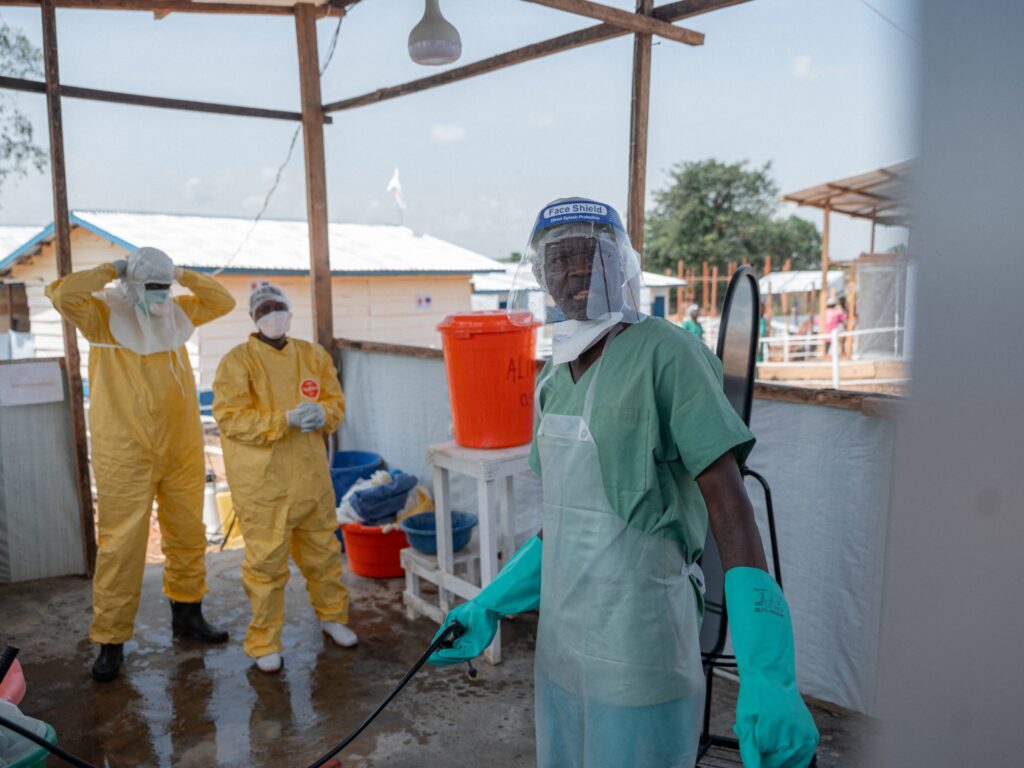
The Democratic Republic of Congo (DR Congo) is currently facing a serious public health threat as Ebola virus disease spreads into new health zones almost daily. The World Health Organization’s (WHO) head of epidemiology has issued warnings highlighting the rapid expansion of the virus, signaling a growing urgency to intensify containment efforts.
Ebola, a severe and often fatal illness in humans, has been identified in several newly affected areas within the country, complicating efforts to control its spread. This development comes as a significant concern given the constrained healthcare infrastructure and accessibility challenges in these regions.
According to WHO reports, the virus’s transmission pattern indicates increased mobility among infected populations and potential gaps in surveillance and response systems. Each new health zone reporting cases demands swift intervention to prevent widespread outbreaks, which could have devastating effects on local communities.
The health zones newly impacted by the Ebola virus include both urban and remote rural areas, posing logistical challenges for health workers and responders. These zones often lack adequate medical facilities, necessitating urgent deployment of resources and personnel equipped to manage Ebola cases safely and effectively.
WHO’s epidemiology chief stressed the importance of continued vigilance, rapid response, and community engagement to curtail the virus’s expansion. Comprehensive strategies involve not only treating the infected but also educating the population, conducting contact tracing, and enforcing strict infection prevention measures.
Moreover, vaccination campaigns are crucial in these emerging hotspots to protect vulnerable populations, especially healthcare providers and close contacts of confirmed cases. Vaccine supply and administration logistics remain critical components of outbreak management.
The international community has been called upon to support DR Congo in its fight against Ebola by providing financial aid, technical support, and emergency medical supplies. Collaborative efforts are vital to bolster the country’s ability to respond effectively and safeguard public health.
In light of these developments, health authorities are urged to enhance surveillance systems to detect cases early, increase laboratory testing capacity, and improve data sharing to enable timely decision-making.
The ongoing spread of Ebola into new health zones in DR Congo underscores the need for persistent efforts to contain one of the world’s most dangerous infectious diseases. Failure to contain the spread could result in wider regional outbreaks, threatening neighboring countries and destabilizing health systems further.
WHO continues to monitor the situation closely, emphasizing that early action can save lives and prevent a larger humanitarian crisis. For the people of DR Congo, the battle against Ebola remains a priority requiring sustained commitment from global and local stakeholders alike.