The ongoing conflict involving Iran and its regional implications has taken a significant turn, marked by a series of high-stakes announcements and escalating humanitarian concerns. Former US President Donald Trump claimed that a new deal with Tehran has been ‘approved,’ a statement signaling a potential shift in diplomatic relations and military activity in the region. Remarkably, following this claim, Trump announced the cancellation of planned new strikes, a move that temporarily dampens the immediate threat of further violence.
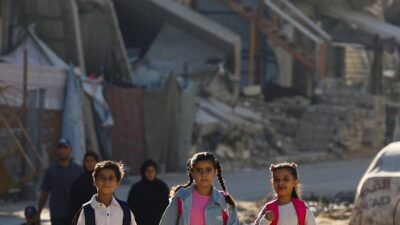
The geopolitical landscape remains volatile as this latest development unfolds. Trump’s declaration came amid rising tensions and violent exchanges in the Middle East, particularly between Israel and Lebanon. Israeli attacks in Lebanon have resulted in substantial displacement, with humanitarian organizations raising alarms about the severe impact on civilians. The International Rescue Committee (IRC) highlighted that those displaced by these attacks are now at a ‘breaking point,’ signaling a deepening crisis in this already fragile area.
Israel’s military operations in Lebanon have intensified in recent days, contributing to growing instability. Civilians caught in the crossfire face urgent humanitarian needs, including shelter, food, and medical assistance. The IRC’s warning underscores the critical situation, emphasizing the need for immediate international attention and aid to prevent further suffering.
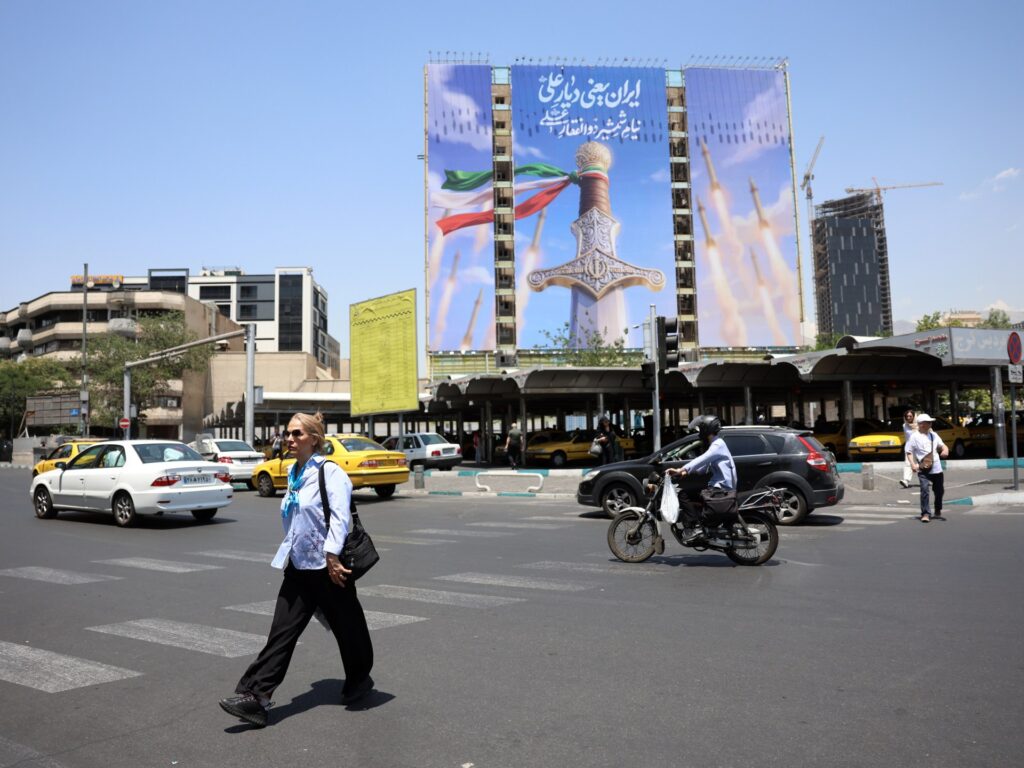
The backdrop of these events is a complex web of regional alliances, political strife, and historical conflicts. Iran’s role in supporting various groups in Lebanon and its wider regional ambitions have long been points of contention, drawing responses from the United States and its allies. Trump’s announcement of a ‘Tehran deal’ hints at possible diplomatic maneuvering aimed at de-escalating tensions or reshaping strategic relationships.
Critics and analysts remain cautious about the implications of Trump’s statements. They note the absence of detailed information regarding the terms of the deal or the mechanisms by which it was approved. The cancellation of the new strikes suggests a tactical pause rather than a full resolution, leaving many questions about the future trajectory of the conflict.
Meanwhile, on the ground, the humanitarian fallout continues to worsen. The displacement crisis caused by Israeli military actions has stretched resources thin and overwhelmed local aid organizations. The IRC’s declaration that the affected populations are nearing a breaking point accentuates the urgency for coordinated international response.
International actors are watching closely. The United Nations and various NGOs have called for restraint and humanitarian access to populations in need. The volatile environment makes it challenging to deliver aid and protect civilians, compounding the risks faced by those displaced.
This latest phase of the Iran war and its ripples throughout the Middle East highlight the fragile nature of regional security and the devastating impact on ordinary people. The interplay of military actions, diplomatic efforts, and humanitarian emergencies illustrates the complex reality of contemporary conflict.
As the situation continues to evolve, all eyes remain on Tehran, Washington, Beirut, and Jerusalem, hoping for steps that will lead to lasting peace rather than further escalation. The world’s attention turns to potential diplomatic breakthroughs that can address not only military tensions but also the urgent humanitarian needs of displaced populations on the brink of collapse.