In a recent development amid the ongoing conflict in Gaza, Israel has deported a French journalist who was accused of supporting Hamas, the Palestinian militant group. This move comes as part of a broader crackdown on media coverage related to the war, triggering international concern over press freedom in the region.
The French journalist, whose identity has not been widely disclosed, was reportedly detained and subsequently expelled from Israel following allegations linking them to Hamas support. Israeli authorities claim the deportation is justified to prevent the dissemination of propaganda and to safeguard national security.
Critics, however, argue that such actions constitute an effort to suppress independent journalism and restrict transparency about the conflict. Since the onset of the war, Israel has implemented stringent measures against media coverage, including banning numerous international press outlets from reporting on the conflict firsthand.
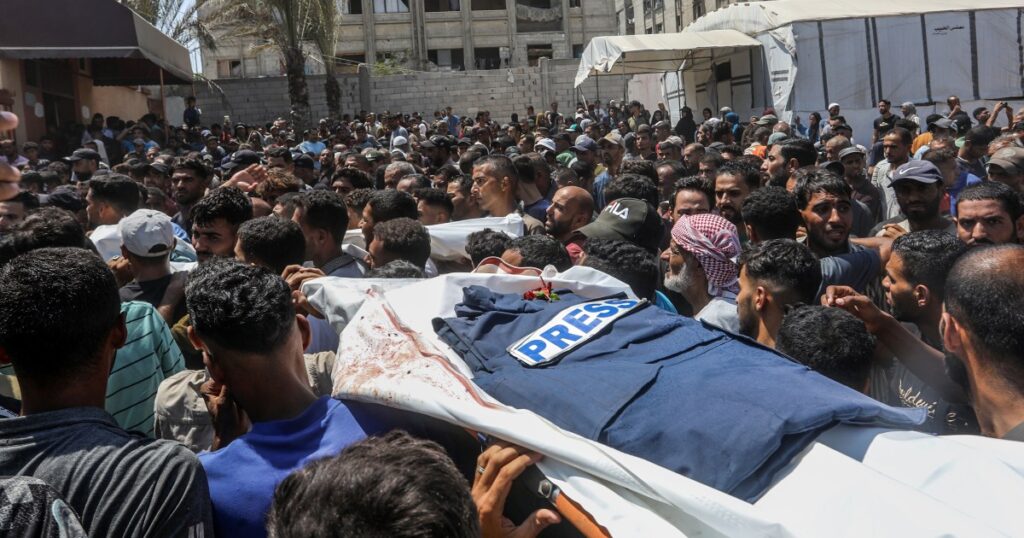
Moreover, the crackdown has extended to local journalists, many of whom have faced severe threats, arrests, or even fatalities. Reports indicate that hundreds of Palestinian journalists covering the situation on the ground have been killed or injured over recent months, raising alarms about the deteriorating conditions for press freedom and safety in Gaza.
The international community has expressed varying degrees of concern and condemnation. Human rights organizations emphasize that journalists play a crucial role in informing the world about conflicts and humanitarian crises. They warn that impeding journalistic work hinders accountability and puts civilians at greater risk.
At the same time, the Israeli government maintains that controlling media narratives is essential to prevent misinformation and protect its citizens amid hostilities. Officials argue that Hamas’s use of media propaganda necessitates firm action against any individuals perceived to be aiding the militant group’s agenda.
The deportation of the French journalist adds to a growing list of incidents where press freedoms are compromised amid the broader geopolitical tensions in the Middle East. Observers continue to monitor the situation closely, urging for balanced media access and the safety of journalists covering conflict zones.
As the war in Gaza persists, questions about the role of the media and the rights of those reporting from the frontlines remain at the forefront of international discourse. The ongoing challenges highlight the precarious balance between national security concerns and the indispensable need for free and independent journalism in times of conflict.