In a volatile and escalating situation, ceasefire talks aimed at halting hostilities between Israel and Lebanon continue despite ongoing military operations in the region. Over recent days, Israel has expanded its ground operations in southern Lebanon, intensifying the conflict and complicating diplomatic efforts.
The region has witnessed significant military activity as Israeli forces push deeper into southern Lebanon. This expansion has heightened tensions and led to increased casualties on both sides, further frustrating attempts to reach an immediate ceasefire agreement.
Diplomatic negotiations, involving various international mediators, are underway to broker a ceasefire that could halt the violence and pave the way for longer-term peace negotiations. However, progress remains slow as ground realities continue to shift with continued military engagements.
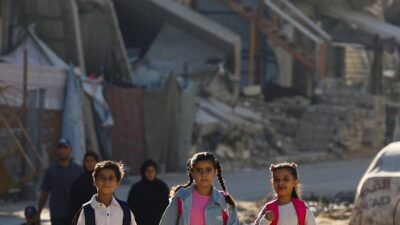
Local residents in southern Lebanon have been severely affected by the ongoing conflict, with many facing displacement, loss of property, and humanitarian challenges. Aid agencies have been calling for immediate cessation of hostilities to allow for relief efforts and medical assistance to reach affected populations.
The international community remains concerned about the deteriorating situation and its potential to destabilize the broader Middle East region. Calls for restraint and renewed dialogue have been amplified amid fears of a wider escalation.
Analysts suggest that the expansion of Israeli ground operations could be a strategic move to apply pressure on Lebanese factions to agree to a ceasefire on terms favorable to Israel. Conversely, Lebanese groups appear determined to resist these incursions, advocating for their territorial sovereignty and defending their positions.
Ceasefire talks are reportedly focusing on key issues such as the withdrawal of Israeli forces from Lebanese territory, the disarmament of militias, security guarantees for border areas, and mechanisms for monitoring compliance.
Despite these discussions, there are significant trust deficits between the parties, fueled by decades of conflict and recent escalations. Building confidence remains a core challenge for negotiators working toward a sustainable resolution.
The humanitarian toll continues to mount, with health facilities overwhelmed and infrastructure damaged by ongoing clashes. International humanitarian organizations have stressed the urgency of securing a ceasefire to prevent further civilian suffering.
As ceasefire talks persist under the shadow of active hostilities, the coming days are critical. The potential for a breakthrough remains uncertain, but the necessity for peace has never been more urgent for the peoples of Lebanon and Israel alike.