In a significant judicial decision, a court in Thailand has sentenced two men to death for their involvement in the devastating bombing at the Erawan Shrine in Bangkok in August 2015. The attack shook Thailand’s bustling commercial hub, leaving a scar on the nation’s capital.
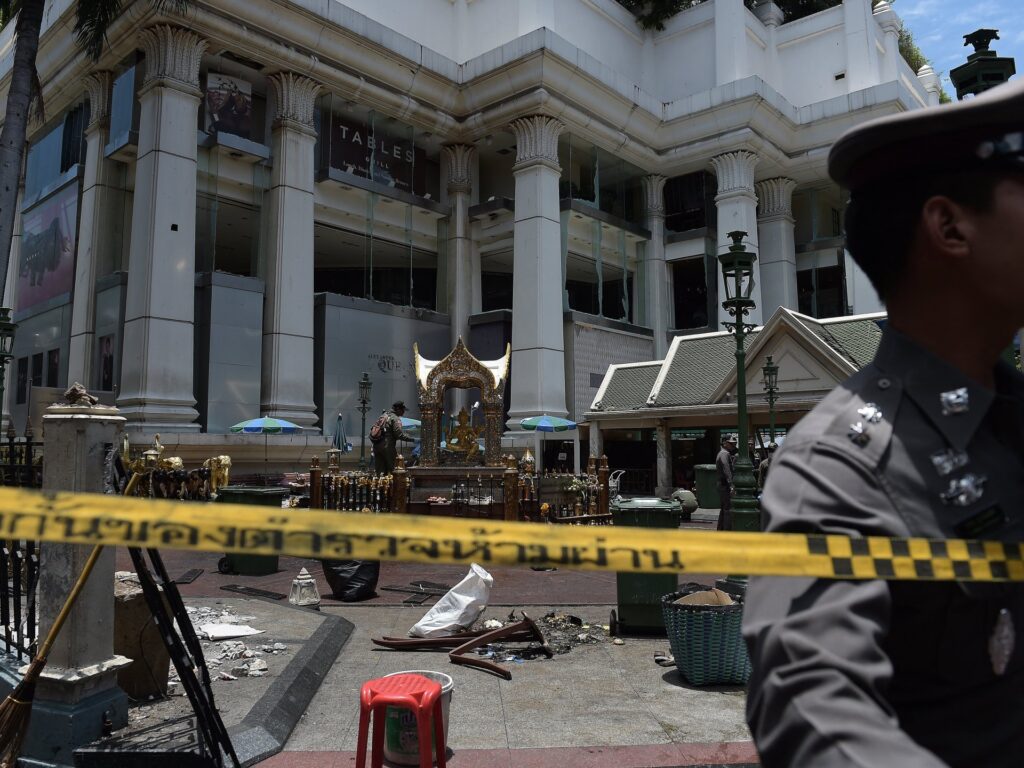
The 2015 bombing was a pivotal event in Bangkok’s recent history. The explosion occurred at the Erawan Shrine, a popular and heavily visited landmark located in the commercial heart of the city. This attack resulted in the tragic deaths of 20 individuals and injured more than 100 others, causing widespread shock and grief.
The investigation into the bombing was prolonged and complex, reflecting the gravity of the crime and its impact on both the victims and Thai society. Authorities worked diligently to trace the perpetrators responsible for orchestrating such a violent act on civilian soil.
After extensive legal proceedings, the court reached its verdict, holding the two accused men responsible for the bombing. The death sentence underscores the seriousness with which the Thai judicial system treats terrorism-related offenses, especially those causing massive loss of life and injury.
The bomb at the shrine was planted in a manner that targeted innocent civilians, many of whom were worshippers and tourists visiting the site. This attack not only caused physical harm but also instilled fear throughout the city, impacting tourism and daily life in Bangkok.
The government’s response to the bombing included increased security measures around major public places and tourist attractions to prevent such incidents in the future. Public safety became a paramount concern in the aftermath of the tragedy.
Victims’ families expressed mixed emotions following the sentencing. While some felt a sense of justice and closure, others highlighted the irreversible loss and trauma caused by the attack. The ruling has reignited conversations about the importance of counterterrorism and the need for vigilance against extremist threats.
The case also raised questions about larger regional security and the networks that support such acts of violence. Experts note that combating terrorism requires cooperation at national and international levels, alongside effective law enforcement and intelligence sharing.
Thailand continues to honor the memory of the victims of the Erawan Shrine bombing. Memorials and annual commemorations remind the public of the tragedy and the resilience of those affected. The country remains determined to safeguard its citizens and visitors against acts of terror.
The death penalty ruling is expected to be appealed, as is common in capital cases, with legal teams preparing for further proceedings. Regardless of upcoming legal steps, the verdict symbolizes a milestone in Thailand’s fight against terrorism.
This sentencing serves as a stern warning to those who seek to disrupt peace and safety through violence. It reflects the judiciary’s firm stance on maintaining law and order and protecting human life.
The 2015 Bangkok bombing remains one of the deadliest attacks in recent Thai history, and its consequences continue to influence national security policies and public consciousness.
As Thailand moves forward, the legacy of the bombing and the justice served will play an essential role in shaping a safer future for the city and its inhabitants.