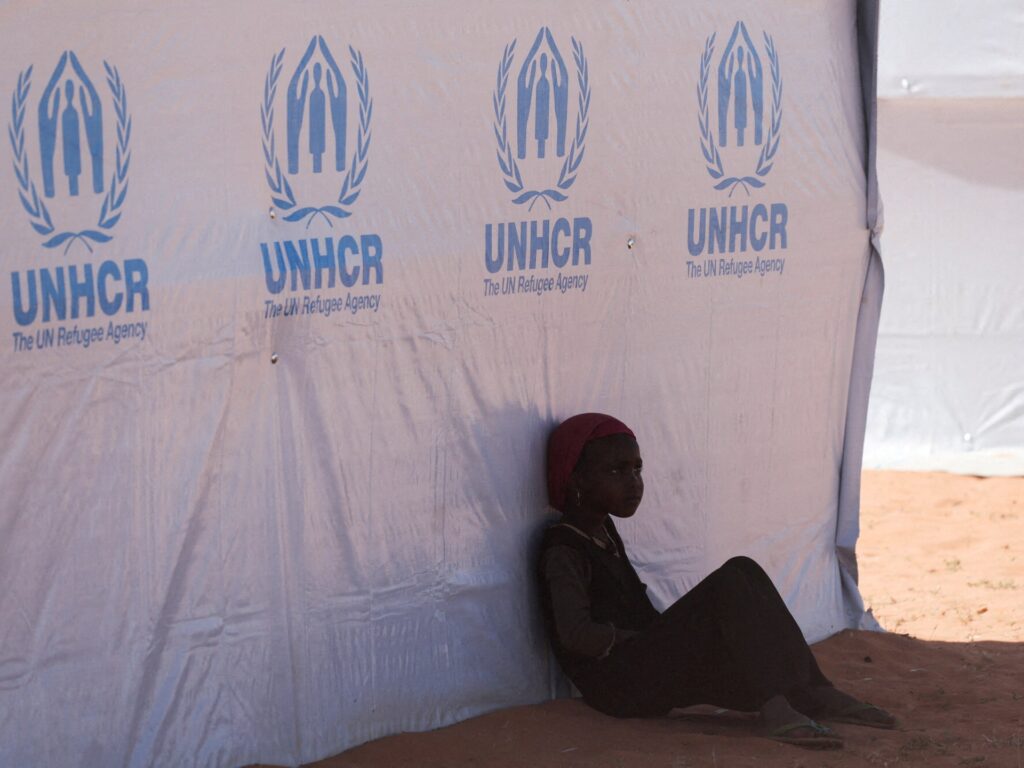
According to the latest data from the United Nations High Commissioner for Refugees (UNHCR), at least 117.8 million people worldwide are currently forcibly displaced due to conflict, violence, human rights abuses, and persecution. This figure corresponds to approximately one in every 70 people on the planet, underscoring the growing global crisis of displacement.
The displacement includes refugees who have fled their countries, internally displaced persons (IDPs) who remain within their borders, asylum seekers awaiting decisions on their claims, and other categories of forcibly uprooted individuals. The causes of displacement are complex and multifaceted, often involving prolonged wars, ethnic conflicts, political instability, and widespread human rights violations.
UNHCR emphasizes that this trend has significant humanitarian, economic, and geopolitical implications. Forced displacement disrupts communities, strains public resources, and poses challenges to both host countries and the displaced individuals themselves. Many displaced people live in precarious conditions, facing restricted access to shelter, education, healthcare, and employment opportunities.
The current displacement situation also highlights the urgent need for international cooperation and sustainable solutions. These include addressing root causes of conflict, enhancing protection mechanisms for displaced populations, and expanding access to legal pathways for migration.
Regional hotspots contributing to the displacement crisis include parts of Africa, the Middle East, South Asia, and Latin America, where conflicts and insecurity persist. In some cases, environmental factors such as natural disasters and climate change exacerbate displacement dynamics.
UNHCR continues to call on all stakeholders—governments, international organizations, civil society, and the private sector—to strengthen their commitments toward protecting forcibly displaced persons and supporting durable solutions like voluntary repatriation, local integration, and resettlement.
The data also serves as a stark reminder that displacement is not only a humanitarian issue but also a matter of human rights and dignity. Comprehensive responses must prioritize the needs and rights of displaced individuals to ensure they can rebuild their lives with safety and hope.
Despite the immense challenges, there have been positive steps with some countries adopting more inclusive policies and providing assistance to refugees and IDPs. Continued advocacy and funding remain crucial to sustain these efforts and address emerging displacement trends.
In conclusion, the statistic that one in 70 people globally is forcibly displaced paints a sobering picture of the world’s humanitarian landscape and calls for intensified global solidarity and action to address this pressing issue effectively.