Tensions in the Persian Gulf have escalated dramatically as Iran launched drone strikes targeting military bases in Bahrain and Kuwait, in response to recent US military actions. This marked a significant intensification of conflict in the region, with Tehran also announcing the closure of the strategic Strait of Hormuz, a critical chokepoint for global oil shipments.
The situation unfolded after the United States carried out strikes on Qeshm Island in Iran and targeted several port facilities along the Strait of Hormuz. These US strikes were reportedly in retaliation for earlier hostile actions perceived to threaten American interests in the Middle East.
Iran’s response was swift. Using unmanned aerial vehicles, the Iranian military struck bases in Bahrain and Kuwait, two key US allies in the Gulf. Both countries reported damage but no immediate casualties. The strikes highlight the increasing vulnerability of US allies in the region amid the escalating confrontation.
The closure of the Strait of Hormuz, through which approximately 20% of the world’s petroleum passes, has sent shockwaves through global energy markets. Iran’s decision essentially blocks a vital artery for international oil exports, raising fears of severe disruption to the global supply chain and a spike in oil prices.
International reactions to the closure and attacks have ranged from condemnation to calls for restraint. The United Nations has urged both sides to de-escalate tensions and return to diplomatic dialogue to avoid further conflict.
The US has reaffirmed its commitment to protecting freedom of navigation in the Gulf, emphasizing that it will safeguard international maritime routes and its allies from Iranian aggression. Military assets in the region have been placed on high alert, and additional naval forces are en route to the area.
Analysts warn that the situation is precarious and could rapidly deteriorate into a broader regional conflict if not managed carefully. The incident underscores the fragile security environment in the Persian Gulf, where longstanding political and religious rivalries intersect with global economic interests.
For Bahrain and Kuwait, the attacks represent a direct challenge to their sovereignty and security, prompting increased calls within the Gulf Cooperation Council (GCC) for a united stance against Iranian provocations.
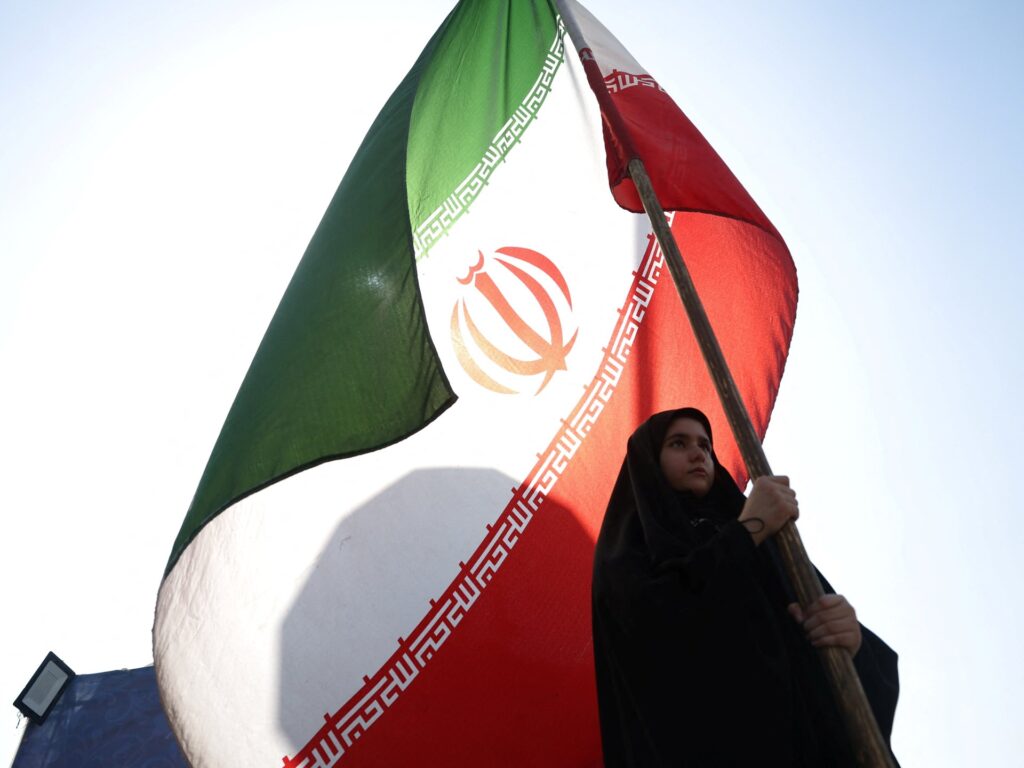
Meanwhile, Iran’s leadership has framed the actions as defensive measures against unlawful US aggression, rallying domestic support by portraying their country as standing up to foreign interference.
The international community remains on edge, monitoring ship movements and diplomatic communications closely as efforts to mediate the crisis continue. The coming days will likely be critical in determining whether dialogue can replace confrontation, or if the Gulf will spiral further into conflict, with major implications for global security and energy supplies.