In a recent turn of events, US Central Command conducted a second consecutive night of strikes on Iran, drawing sharp attention and sparking intense debates internationally. These strikes, described by US Central Command as a response to “Iran’s unwarranted and continued aggression,” come amidst escalating tensions in the region. The military actions targeted specific sites linked to Iranian military operations and alleged activities considered hostile to US interests and allies in the Middle East.
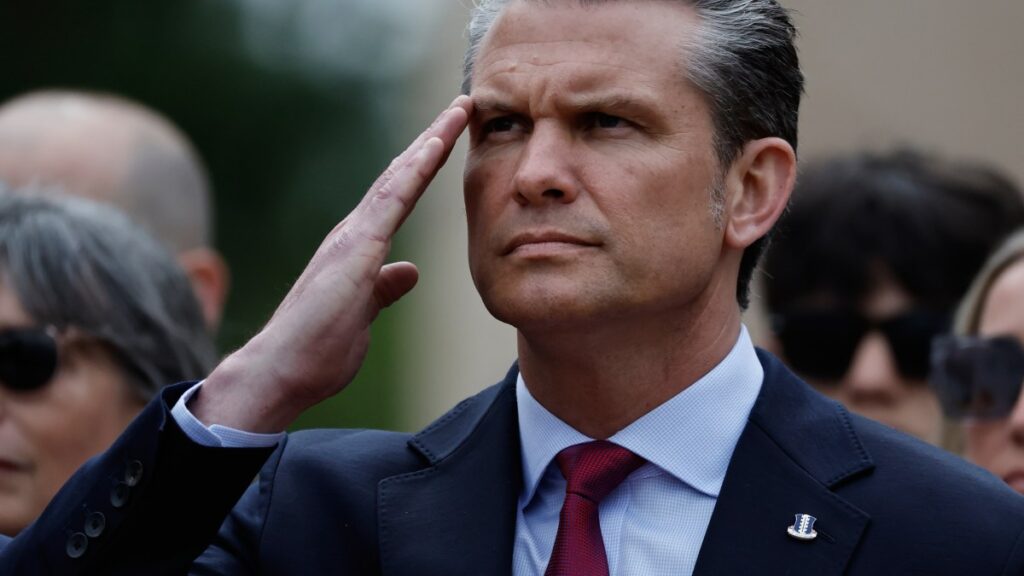
Prominent conservative commentator and former military officer Pete Hegseth publicly defended the US government’s decision to continue the strikes. In his statement, Hegseth emphasized the need for firm national security measures, urging that the situation must be addressed with decisive military action rather than diplomatic hesitation. He encapsulated this approach with the phrase “negotiate with bombs,” implying that strategic pressure through military force could be necessary to bring Iran to the negotiating table or curb its aggressive behaviors.
This offensive marks a significant escalation from prior US military stances, reflecting a more assertive posture toward Iran after repeated provocations. The decision to maintain continuous air and missile strikes over multiple nights underlines the administration’s commitment to deterring further Iranian provocations in the region.
US officials have pointed to recent incidents attributed to Iranian-backed militias, including attacks on US bases and allies, as a primary justification for the strikes. According to Central Command, these operations are defensive measures aimed at maintaining regional stability and protecting American personnel and interests.
The strikes have elicited a range of responses worldwide. Allies in the Middle East and certain Western nations have expressed cautious support, recognizing the threat posed by destabilizing actions from Tehran. Conversely, critics argue that such military measures risk exacerbating the conflict and undermining diplomatic solutions.
Analysts note that while economic sanctions and diplomatic negotiations have been staple tools in the US approach toward Iran for years, the recent military actions signal a shift toward more direct confrontation. They caution that sustained military engagement might complicate prospects for long-term peace but might be seen as necessary given the urgency of thwarting immediate threats.
More broadly, the strikes highlight the fraught nature of US-Iran relations and the challenges in addressing state-sponsored aggression without triggering wider conflict. The ongoing cycle of action and retaliation between Washington and Tehran underscores the complexity of Middle Eastern geopolitics.
In Congress, the strikes have sparked debate over the extent of presidential authority in engaging in military action without explicit congressional approval. Some lawmakers have voiced concern over the potential for escalating conflict without a clear endgame.
On the ground, Iran has condemned the US strikes as violations of sovereignty and has pledged retaliation, raising fears of a broader regional conflict. Iranian officials have reiterated calls for international mediation to de-escalate tensions.
In summation, the second night of US strikes against Iran represents a critical moment in the ongoing struggle to manage one of the most volatile geopolitical flashpoints. With defenders like Hegseth advocating for a policy of “negotiating with bombs,” the path forward appears fraught with the potential for both confrontation and diplomacy, highlighting the delicate balance of power and the high stakes for regional and global peace.