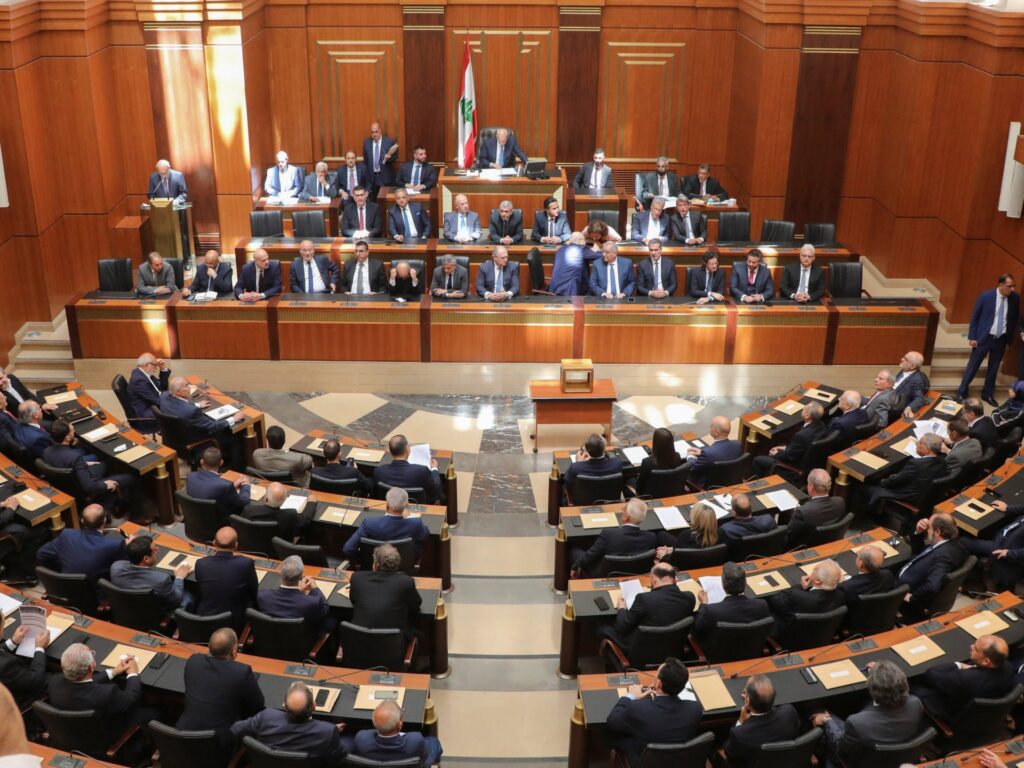
Lebanon’s political landscape is deeply intertwined with its diverse social and sectarian fabric, resulting in a multitude of influential parties that shape the country’s governance and political dynamics.
One of the most prominent political forces is Hezbollah, a Shia Islamist party and militant group, known for its resistance against Israel and significant political influence both domestically and regionally. Hezbollah’s military wing and political arm are key players in Lebanon’s sectarian balance.
The Amal Movement, also representing the Shia community, is another major political party. It historically acts as a counterpart and sometimes ally to Hezbollah, focusing on social services and political representation for Shia populations.
On the Sunni Muslim front, the Future Movement stands out, traditionally led by the Hariri family. This party advocates for a Sunni-centric political voice, promoting liberal economic policies and maintaining alliances with Western and Gulf countries.
Christian parties play crucial roles in Lebanon’s confessional system as well. The Free Patriotic Movement (FPM), led by Michel Aoun, represents many Maronite Christians and is allied with Hezbollah, signifying cross-sectarian collaboration despite historical divides.
The Lebanese Forces, a prominent Christian party as well, has roots in the civil war era and espouses a nationalist, anti-Syrian stance. It often contrasts politically with the FPM despite sharing some community bases.
The Progressive Socialist Party, mainly representing the Druze community and led by Walid Jumblatt, is influential due to its strategic position in Lebanese politics, frequently shifting alliances based on evolving political circumstances.
Other notable parties include the Kataeb Party (Phalange), which is another Christian faction with historical significance, and smaller sectarian parties representing various religious and ethnic groups. Each party reflects Lebanon’s complex sectarian distribution and ensures representation for its constituents.
Overall, Lebanon’s political parties are deeply connected to sectarian identities, historical legacies, and external alliances, making the country’s political framework uniquely multifaceted and often fragile.