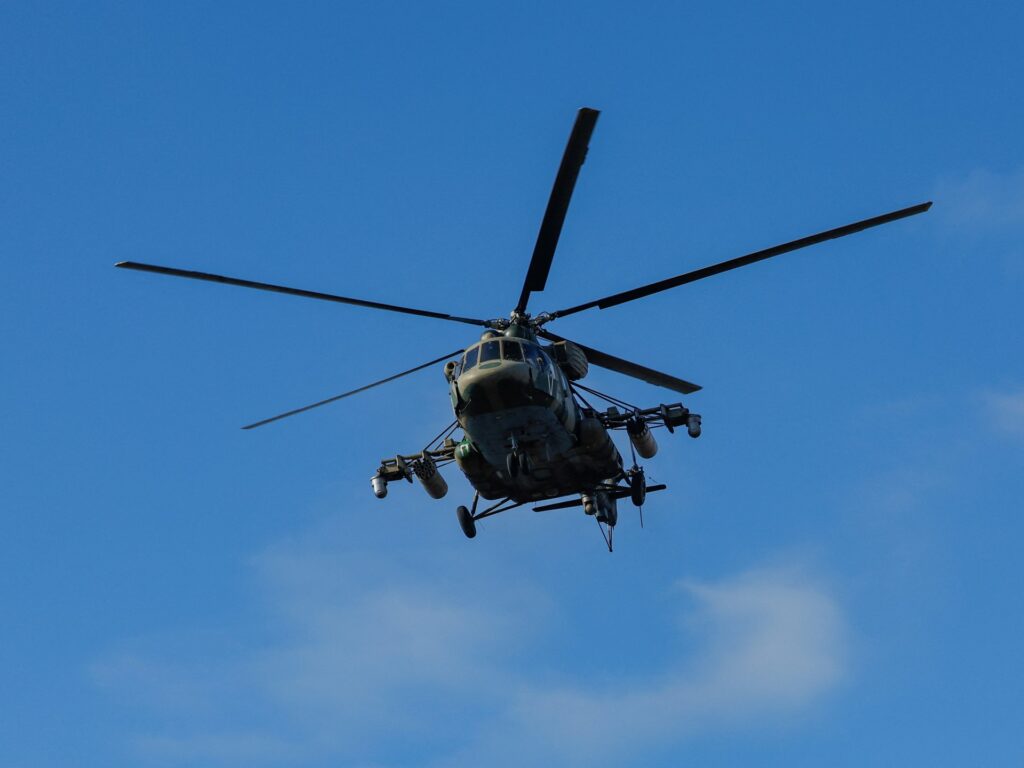
A tragic incident unfolded in Pakistan-administered Kashmir as a military helicopter crashed, resulting in the deaths of all personnel on board. This unfortunate event comes amid heightened tensions and a significant security presence in Muzaffarabad, the capital of Pakistan-administered Kashmir, following a series of protests in the region.
The helicopter crash has raised concerns regarding the safety measures and operational risks faced by the Pakistan military in this sensitive area. Details about the cause of the crash have not been immediately disclosed, but investigations are expected to be launched to determine the factors leading to this fatal accident.
Muzaffarabad has been experiencing unrest in recent days, with protests erupting in various parts of the territory. Security forces have been deployed extensively to maintain order, and the atmosphere remains tense. The exact reasons for the unrest include political, social, and economic grievances expressed by the local population, which have sparked demonstrations and calls for greater autonomy.
The Pakistan military’s presence in the area is part of a broader strategy to stabilize the region and counter any potential threats. However, the helicopter crash underscores the difficulties faced by forces operating in challenging environments marked by political instability and rough terrain.
The loss of life in the crash is deeply mourned by the armed forces and the nation at large. Authorities have expressed condolences to the families of the deceased personnel and have promised a thorough investigation to ensure accountability and prevent future tragedies.
This incident adds to the complex and longstanding conflict in Kashmir, a region claimed in full by both India and Pakistan but divided by a de facto border known as the Line of Control. The area frequently witnesses military and civilian tensions, which often flare into violence.
Local leaders and human rights organizations have called for peaceful resolution and dialogue to address the underlying issues fueling unrest and violence in the region. They emphasize the need for humanitarian considerations to be prioritized amid security operations.
As Pakistan-administered Kashmir grapples with the immediate aftermath of the helicopter crash and ongoing protests, the situation remains fragile. The international community continues to watch closely, hoping for de-escalation and constructive engagement between all parties involved.
Further updates are awaited as investigations proceed and security forces adjust their strategies in response to the evolving situation on the ground.