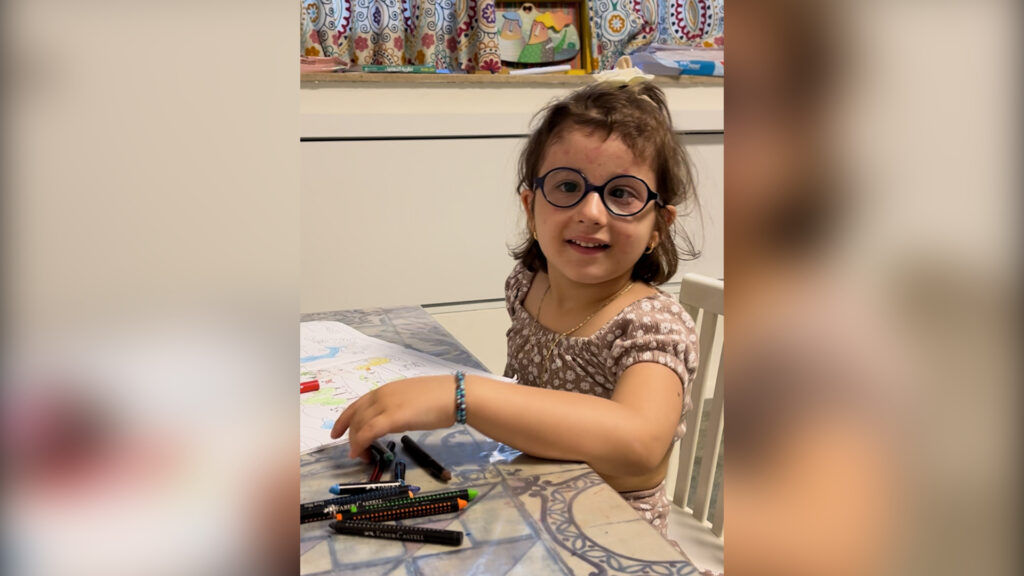
Malika, a four-year-old girl, has been at the center of a heartbreaking story of survival and recovery following an Israeli attack in Lebanon. The attack left Malika seriously wounded and tragically resulted in the death of her mother. This article explores Malika’s journey of healing and the broader impact of war on children in conflict zones.
The conflict in Lebanon has seen numerous innocent civilians caught in the crossfire, with children often bearing the brunt of violence. Malika’s case is a poignant example of how war disrupts young lives irreparably. Despite the severe injuries she sustained, Malika’s resilience and the support from her caregivers have been crucial in her ongoing recovery process.
Medical teams worked tirelessly to treat Malika’s wounds. She underwent several surgeries to address the physical damage caused by the attack. Beyond the medical treatment, psychological support has been a key component of her rehabilitation, addressing the deep trauma experienced from the loss of her mother and the violence she endured.
The humanitarian response has highlighted the importance of comprehensive care for child victims of war, encompassing physical, emotional, and developmental support. Organizations on the ground have emphasized the necessity of safe environments and access to education for children like Malika, to help them rebuild their lives.
Malika’s story resonates deeply with many affected families across Lebanon and other conflict-ridden regions. It underscores the urgent need for peace and protective measures to shield children from the devastating consequences of armed conflict.
Experts warn that without intervention, the psychological scars inflicted on young victims of war can result in long-term mental health issues, affecting their ability to grow and thrive. Hence, psychosocial programs specifically designed for young survivors are vital.
As Malika continues her path to recovery, her story has become a symbol of hope and resilience. It calls attention to the relentless impact of war on the most vulnerable and the collective responsibility to ensure a safer future for all children affected by conflict.
This narrative not only highlights personal tragedy but also serves as a call to the international community to increase efforts in conflict resolution, humanitarian aid, and child protection measures.
In conclusion, Malika’s recovery is a testament to the strength of the human spirit and the critical importance of comprehensive care for child survivors of war. As the world watches her progress, it is a reminder that every child lost or harmed to conflict represents a future that has been altered forever. Their stories demand attention, action, and unwavering support to foster healing and hope amid the ruins of war.