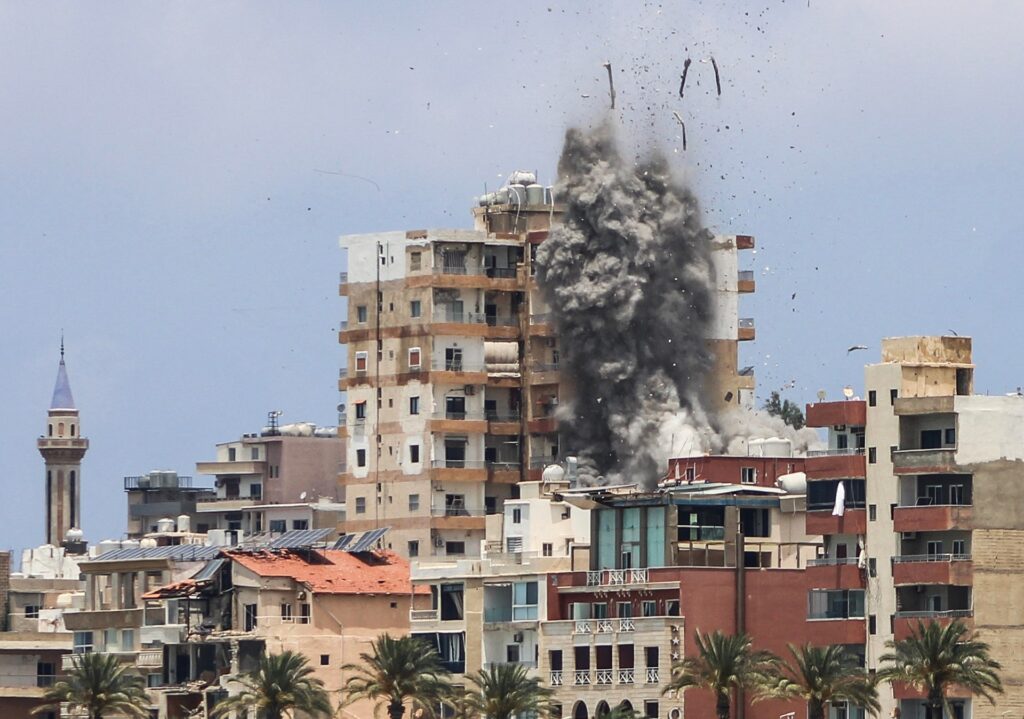
In a tense development in Middle East diplomacy, US President Donald Trump has claimed to be in the “final throes” of brokering a peace agreement, despite ongoing violent conflict between Israel and Lebanon. This statement comes as Israel’s military actions resulted in the deaths of 17 people in Lebanon, intensifying fears of further regional instability.
President Trump’s remarks included a pointed warning to Israeli Prime Minister Benjamin Netanyahu, emphasizing that Washington’s support could be withdrawn if attacks on Lebanon continue. This warning arrives in a context where Israel and Iran, key regional adversaries, had recently paused hostilities, raising hopes for a reduction in violence.
The current flare-up, however, reveals the fragility of the ceasefire and the complexity of achieving lasting peace in the region. Israel’s military strikes aimed at targets in Lebanon have drawn international criticism and highlighted the ongoing security challenges faced by both countries.
Trump’s involvement in the peace process underscores the US administration’s efforts to mediate long-standing disputes in the Middle East. His comments suggest that while a formal agreement may be near, the path remains fraught with dangers that could unravel months of diplomatic work.
The situation remains fluid, with global powers watching closely as the potential for renewed conflict threatens to disrupt not just regional but international stability. The deaths in Lebanon serve as a stark reminder of the human cost of diplomatic failures and the urgent need for a sustainable resolution to the conflicts that have plagued the area for decades.