The ongoing conflict and heavy military actions involving the United States have cast a long shadow over Iran, creating a situation described by many as “anything but normal.” As war damages and a stringent blockade compound the daily challenges, ordinary Iranians find themselves navigating an increasingly difficult economic landscape.
The sustained military conflict has had devastating effects on Iran’s infrastructure, disrupting not only governmental operations but also the everyday lives of the people. Key sectors such as transportation, healthcare, and communication have faced severe setbacks, amplifying the hardships faced by citizens nationwide.
In addition to physical damages, the economic blockade imposed by the US has crippled trade and key supply chains. Iranian businesses suffer from a lack of resources and limited access to international markets. This blockade has led to scarce availability of essential goods, including food and medical supplies, inflating prices and pushing many families into poverty.
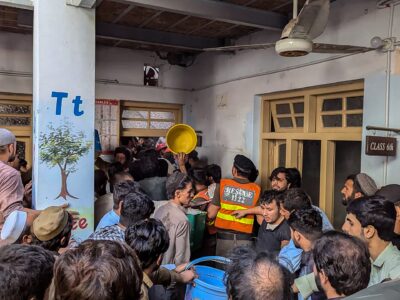
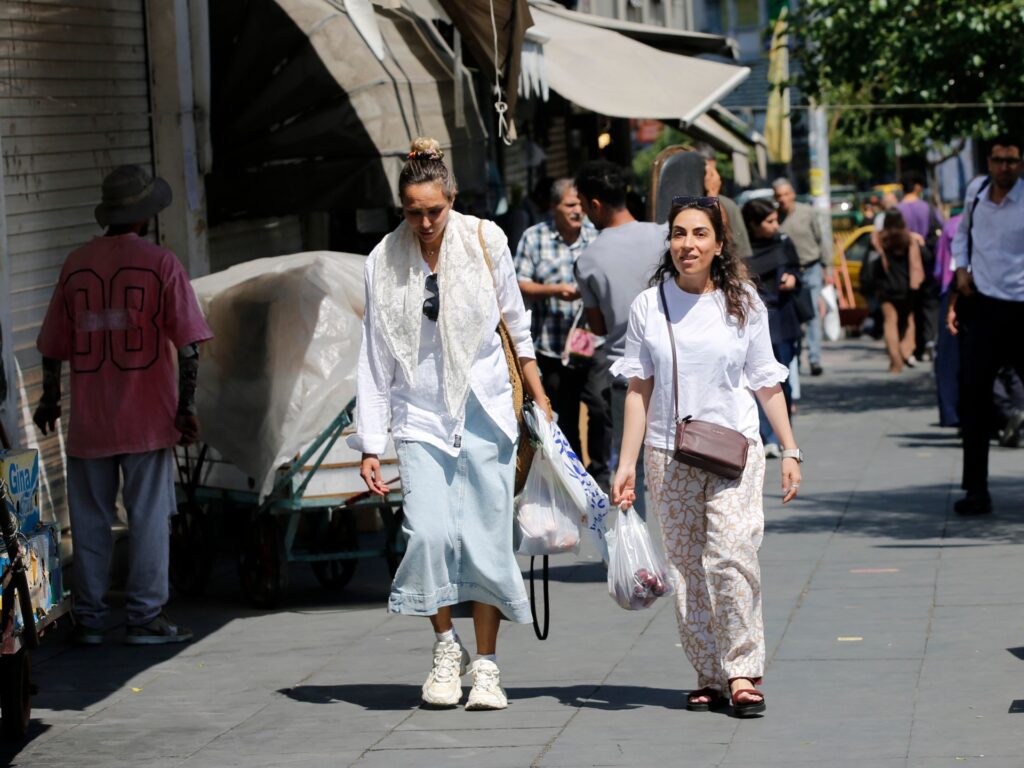
Many Iranians report struggling to secure basic necessities amidst soaring inflation rates. Everyday expenses, from groceries to utilities, have become burdensome, leaving households to adopt stringent budgeting measures. The once vibrant markets now echo with uncertainty as vendors cope with diminished demand and logistical nightmares.
The job market has also been hit hard. With sanctions limiting foreign investment and industries operating under restrictive conditions, unemployment is on the rise. Those who do hold jobs face wage stagnation that fails to keep up with the cost of living increases.
For families, these strains extend beyond economics. Mental health concerns are growing, spurred by the stress and anxiety over an unpredictable future. Community support networks and local charities try to fill gaps, yet they are often overwhelmed by the scale of needs.
Despite these trials, resilience remains a defining trait among Iranians. Stories abound of communities coming together to share resources, support small-scale businesses, and maintain a sense of normalcy against all odds.
Experts warn, however, that without a significant easing of the blockade and conflict, the downward economic spiral may continue, further jeopardizing stability for many.
International humanitarian organizations have called for increased aid and diplomatic efforts to alleviate suffering. But for many on the ground, the hope for a return to normal life seems distant and fraught with uncertainty.
In a country eager for peace and prosperity, the shadow cast by the ongoing US-led war is a stark reminder of how geopolitical struggles can deeply affect the everyday lives of millions. Iran’s path forward remains fraught with challenges, but the resilient spirit of its people endures, fighting silently amidst adversity.